
K-Pop Dance Community Classes: Benefits for All
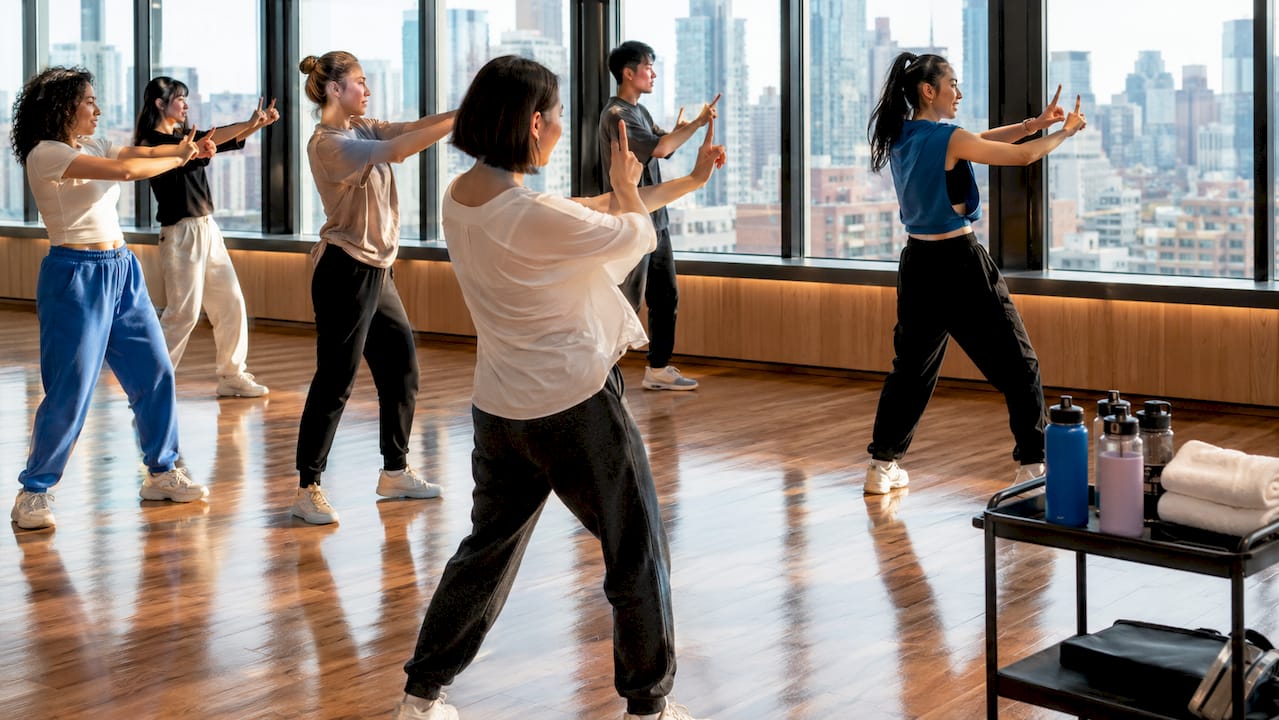
K-pop dance community classes are group fitness and cultural experiences built around the choreography of Korean pop music, and they deliver physical, cognitive, social, and artistic benefits from the very first session. Unlike a standard aerobics class or solo workout, these sessions combine fast-paced movement with memory challenges, group synchronicity, and genuine cultural connection. Health specialists, psychologists, and studio communities across Seoul, Taipei, and Colorado confirm that the advantages go well beyond burning calories. Whether you are a longtime K-pop fan or a complete newcomer, this format meets you where you are.
1. What are the primary physical benefits of K-pop dance community classes?
K-pop dance delivers a full-body workout that activates cardiovascular endurance, muscle tone, flexibility, and core strength in a single session. That combination is more demanding than walking or basic stretching, and it shows up quickly in how your body moves and recovers.
The physical gains come from the structure of the choreography itself:
- Cardiovascular endurance: Fast-paced sequences keep your heart rate elevated for extended periods, training your aerobic system the same way interval running does.
- Muscle tone and endurance: Repeated arm isolations, squats, and footwork patterns build functional strength across your legs, core, and upper body.
- Flexibility and coordination: K-pop routines pull from hip-hop, contemporary, and street styles, so your joints and muscles work through a wide range of motion every class.
- Dynamic balance: Health specialist Kwon Kyung-hyun notes that K-pop dance improves balance through constant weight-shifting and rapid deceleration. That kind of training is critical for fall prevention, especially for adults in their 40s and 50s.
The balance benefit is the one most people overlook. Static balance exercises like standing on one foot are common in rehab settings, but K-pop choreography trains dynamic balance, which is what your body actually needs to stay stable during real movement.
Pro Tip: If you are new to dance fitness, tell your instructor before class. Most K-pop dance teachers offer modified versions of high-impact moves so you can build strength safely from day one.
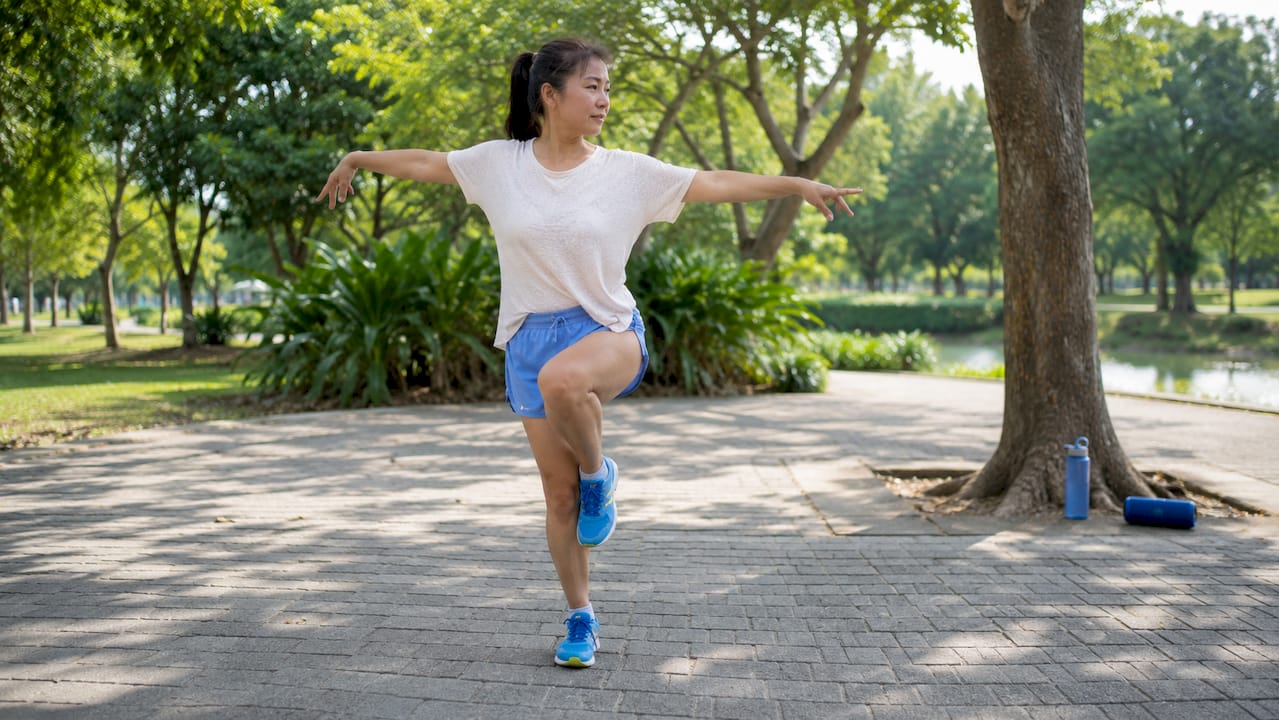
2. How do K-pop dance classes support mental and cognitive health?
Learning choreography activates multiple brain regions simultaneously, improving working memory, spatial awareness, and cross-limb coordination. That neural demand is what separates dance from most gym workouts, where the movement pattern becomes automatic after a few sessions.
The cognitive load in a K-pop class is real and intentional:
- Working memory: You memorize short sequences, layer them together, and recall them under pressure while music plays at full speed.
- Spatial awareness: You track your own position relative to other dancers, the mirror, and the formation, which requires constant spatial calculation.
- Self-monitoring: Reviewing recorded playback is a standard part of many K-pop classes. It can feel uncomfortable at first, but video review turns errors into clear learning moments rather than vague frustration.
- Mental resilience: Overcoming the self-consciousness of watching yourself on screen builds a specific kind of confidence that carries into daily life.
The social environment amplifies every one of these mental benefits. Psychologist Huang Hsun-yuan, commenting on K-pop fandom research, describes how dance activities give older adults a sense of accomplishment and ongoing learning that traditional fitness routines rarely provide. That sense of progress is a genuine mental health intervention, not just a side effect.
"K-pop fandom and dance activities provide older adults with a sense of accomplishment and ongoing learning, serving as mental health interventions beyond traditional fitness goals." — Psychologist Huang Hsun-yuan, via Taipei Times
3. In what ways do K-pop dance community classes foster social connections?
K-pop dance communities are inclusive, multi-generational spaces where participants from their 20s through their 50s connect through shared movement and shared fandom. That age range matters because most fitness formats skew toward one demographic. K-pop classes do not.
Here is how social bonding actually develops in these settings:
- Shared fandom as a social shortcut. You walk in already having something in common with everyone in the room. Conversations about groups like IVE or Aespa start naturally, and that shared enthusiasm removes the awkward small-talk phase.
- Synchronicity as accountability. Group choreography demands commitment because one person being off-beat affects the entire group's appearance. That collective responsibility builds social trust faster than most team-building exercises.
- Mutual encouragement. K-pop class culture actively celebrates progress. Instructors and classmates cheer corrections and improvements, which creates a feedback loop of positive reinforcement.
- Language and cultural barriers dissolve. Dance is a physical language. Studios in Seoul report participants from dozens of countries learning the same choreography side by side without needing a shared spoken language.
The social benefits of dance classes in this format are not accidental. They are built into the structure. You cannot do K-pop choreography alone and get the same result. The group is the point.
Pro Tip: Show up five minutes early to your first class. That window before the music starts is when the real community introductions happen. Most regulars are genuinely excited to welcome newcomers.
4. What cultural and creative benefits can participants gain?
K-pop dance classes are a direct entry point into Korean culture, idol artistry, and a global creative community. The choreography itself carries cultural meaning, from the precision of groups like BTS and BLACKPINK to the storytelling embedded in each routine's formation changes and facial expressions.
The creative benefits show up in several specific ways:
- Personal style within structure. Instructors encourage dancers to add their own flair to freestyle sections, so you are not just copying moves. You are expressing yourself creatively within a framework.
- Cultural exchange. Learning a routine from a Korean artist means engaging with the music, the visual aesthetic, and the performance tradition behind it. That is genuine cultural education, not just exercise.
- Performance and sharing. Many studios host cover showcases where students perform full routines. Those events build confidence and give participants a creative output to work toward.
- Instructor mentorship. Good K-pop dance teachers do not just count beats. They explain the cultural context of a routine, which deepens your appreciation and makes the choreography more memorable.
| Creative Benefit | What It Looks Like in Class |
|---|---|
| Personal expression | Freestyle sections with instructor-guided flair |
| Cultural learning | Instructor context on artist and routine history |
| Performance goals | Studio showcases and cover video projects |
| Global community | Connection to worldwide K-pop fan networks |
5. How do K-pop dance classes compare with other community fitness options?
K-pop dance classes occupy a specific position among group fitness formats. They combine the cardiovascular intensity of Zumba, the cognitive demand of learning structured choreography, and the social depth of a fan community. No single alternative delivers all three simultaneously.
| Format | Physical Intensity | Cognitive Load | Social Bonding | Cultural Depth |
|---|---|---|---|---|
| K-pop dance | High | High | High | High |
| Zumba | High | Low | Medium | Low |
| Yoga | Low | Medium | Low | Medium |
| Aerobic dance | High | Low | Low | Low |
| Hip-hop dance | High | High | Medium | Medium |
The table shows where K-pop dance stands out. The cognitive load is the differentiator. Zumba and aerobic dance keep you moving, but the choreography is designed to be easy to follow. K-pop routines are designed to challenge your memory and coordination, which is why the brain activation benefits are more significant.
K-pop dance is also uniquely suited to diverse age groups and skill levels. Studios like Dancing Bora in Seoul serve participants across a 30-year age span in the same class. That kind of age integration is rare in fitness settings and adds a social richness that younger-skewing formats cannot replicate.
If your primary goal is stress relief with minimal learning curve, yoga or Zumba may suit you better. If you want a format that challenges your body, your memory, and your social life at the same time, K-pop dance community classes are the stronger choice.
Key takeaways
K-pop dance community classes are the most comprehensive group fitness format available for adults who want physical, cognitive, social, and cultural benefits from a single weekly commitment.
| Point | Details |
|---|---|
| Full-body physical fitness | K-pop choreography builds cardiovascular endurance, muscle tone, flexibility, and dynamic balance simultaneously. |
| Cognitive activation | Memorizing sequences activates working memory, spatial awareness, and cross-limb coordination in every session. |
| Social bonding through synchronicity | Group choreography creates accountability and mutual encouragement that builds genuine community faster than most formats. |
| Cultural and creative engagement | Classes connect participants to Korean pop culture, personal expression, and a global fan community. |
| Accessible to all ages | Studios serve participants from their 20s through their 50s, making K-pop dance one of the most age-inclusive fitness formats available. |
What I have learned from watching K-pop dance communities grow
I have spent time with local artists and community organizers who run everything from comedy nights to dance showcases, and K-pop classes consistently produce something I do not see in other formats. The participants come back. Not because they have to, but because the class gives them something they cannot get anywhere else: a room full of people who are genuinely rooting for them.
Most fitness formats are parallel experiences. You work out next to people. K-pop dance is a shared experience. You work out with people, and the choreography makes that distinction unavoidable. When one person is off, everyone feels it. When everyone lands the same move together, everyone feels that too. That collective moment is addictive in the best way.
I also want to say something honest about the cultural side. Some people worry about whether they have the right to engage with K-pop culture as outsiders. From what I have seen, the K-pop dance community is one of the most genuinely welcoming creative spaces around. The culture rewards curiosity and effort. You do not need to be Korean or a lifelong fan to belong. You just need to show up and try.
For newcomers, my practical advice is simple: do not skip the video review portion of class, even if it makes you cringe. That discomfort is where the growth lives. The instructors who use playback are the ones producing the most confident dancers, and confidence in the studio tends to travel with you outside of it.
— DJ
Find your K-pop dance community with Experiencebylocals
Ready to experience the benefits of K-pop dance community classes in person? Experiencebylocals connects you with authentic local dance events, cultural showcases, and community performances hosted by real artists across Colorado.
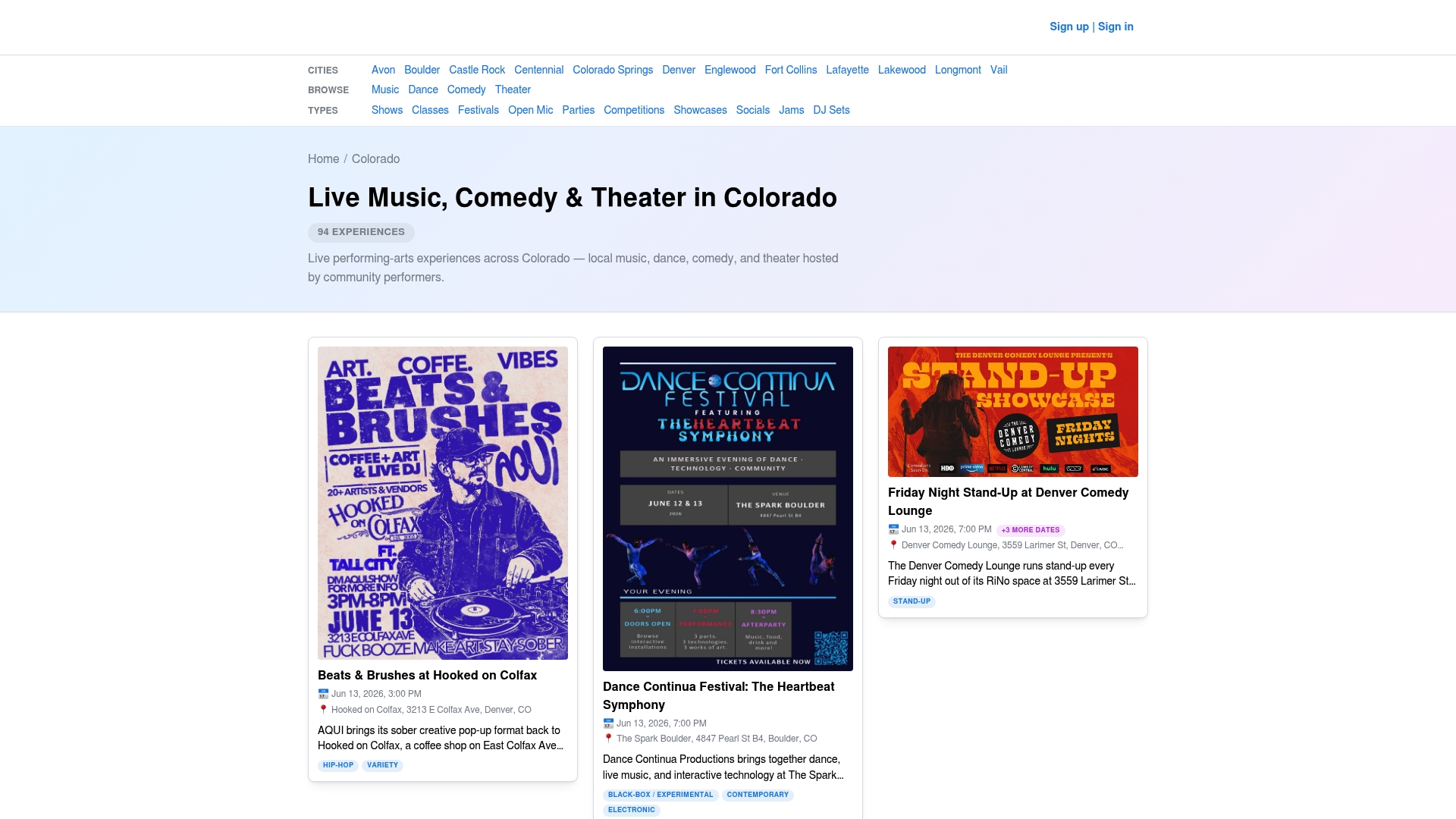
Whether you are looking for your first K-pop choreography session or a regular community to grow with, Experiencebylocals features grassroots events that go deeper than tourist-facing entertainment. You can explore live dance and cultural events happening near you right now, from K-pop showcases to community nights that bring local creators and audiences together. The platform is free to browse, and every event on it reflects the genuine cultural energy of the community behind it. Come find your people.
FAQ
What are the main benefits of K-pop dance community classes?
K-pop dance community classes deliver physical fitness, cognitive stimulation, social bonding, and cultural engagement in a single format. The combination of fast-paced choreography and group synchronicity makes them more comprehensive than most standard fitness options.
Is K-pop dance good exercise for older adults?
Yes. Health specialist Kwon Kyung-hyun identifies K-pop dance as particularly effective for dynamic balance and fall prevention in middle-aged and older adults. The movement patterns surpass basic stretching or walking in terms of mobility benefits.
Do I need dance experience to join a K-pop dance class?
No prior experience is required. Most K-pop dance community classes welcome complete beginners and offer modified versions of choreography for different skill levels. Studios consistently report that newcomers integrate quickly because the group environment supports learning.
How does K-pop dance improve mental health?
Learning choreography activates working memory and spatial awareness while the social environment reduces isolation. Psychologist Huang Hsun-yuan describes K-pop dance activities as genuine mental health interventions, particularly for adults seeking ongoing learning and a sense of accomplishment.
How do K-pop dance classes compare to Zumba or aerobic dance?
K-pop dance classes carry a higher cognitive load than Zumba or aerobic dance because the choreography is designed to challenge memory and coordination, not just keep you moving. They also offer deeper social bonding through shared fandom and a stronger cultural dimension than most group fitness formats.