
Colorado's Comedy Scene: A 2026 Guide to the Local Laughs
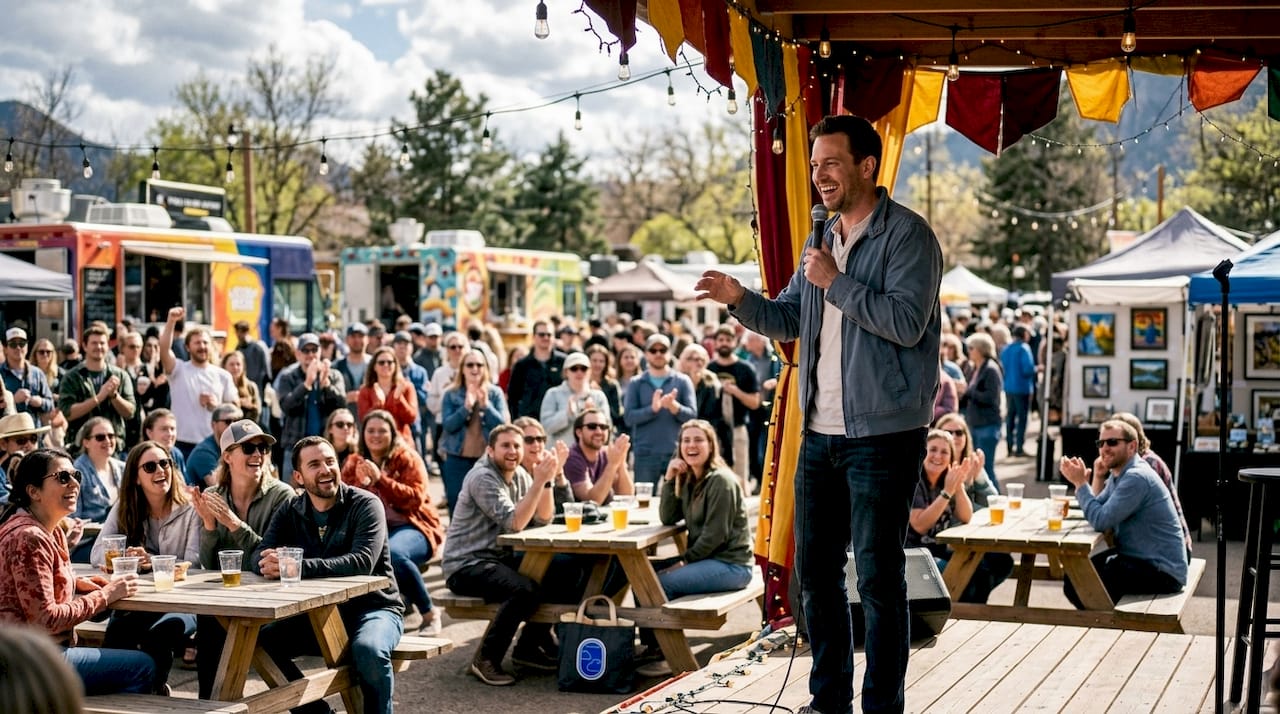
Colorado's comedy scene is a multi-city, grassroots-driven ecosystem spanning stand-up, improv, and alternative comedy across Denver, Boulder, Fort Collins, Greeley, and Loveland. It is not a single club or a single style. What makes it genuinely exciting is how decentralized it is: professional venues sit alongside scrappy backroom shows, and the audiences are famously discerning and ready to engage.
Here is a quick snapshot of what defines the scene:
- Stand-up, improv, and alternative comedy all thrive side by side
- ️ Active hubs in Denver, Boulder, Fort Collins, Greeley, and Loveland
- A mix of professional clubs and grassroots community venues
- Bilingual and culturally inclusive shows reflecting Colorado's demographics
- Interactive audiences who treat comedy like a conversation, not a performance
What are the key venues shaping Colorado's comedy scene?
Comedy Works is the anchor. Founded in 1981, its Downtown Denver and Greenwood Village locations are considered among the nation's top comedy clubs, and they set the standard that made Denver a comedy-savvy city long before the current boom. Beyond Comedy Works, the scene spreads wide:
- RISE Comedy (formerly Voodoo Comedy Playhouse): Denver's most comprehensive improv training center, home to "Hit and Run: Musical Improv," the city's longest-running improv show
- Bug Theatre: An alternative venue in Denver that hosts experimental and community-driven comedy
- Clocktower Cabaret: A gilded variety space beneath downtown Denver's D&F Clocktower, running improv, burlesque, and mixed-format shows for over two decades
- Boulder Comedy Show: A regular showcase anchoring Boulder's local scene
- The Comedy Fort: Fort Collins' home base for weekly stand-up
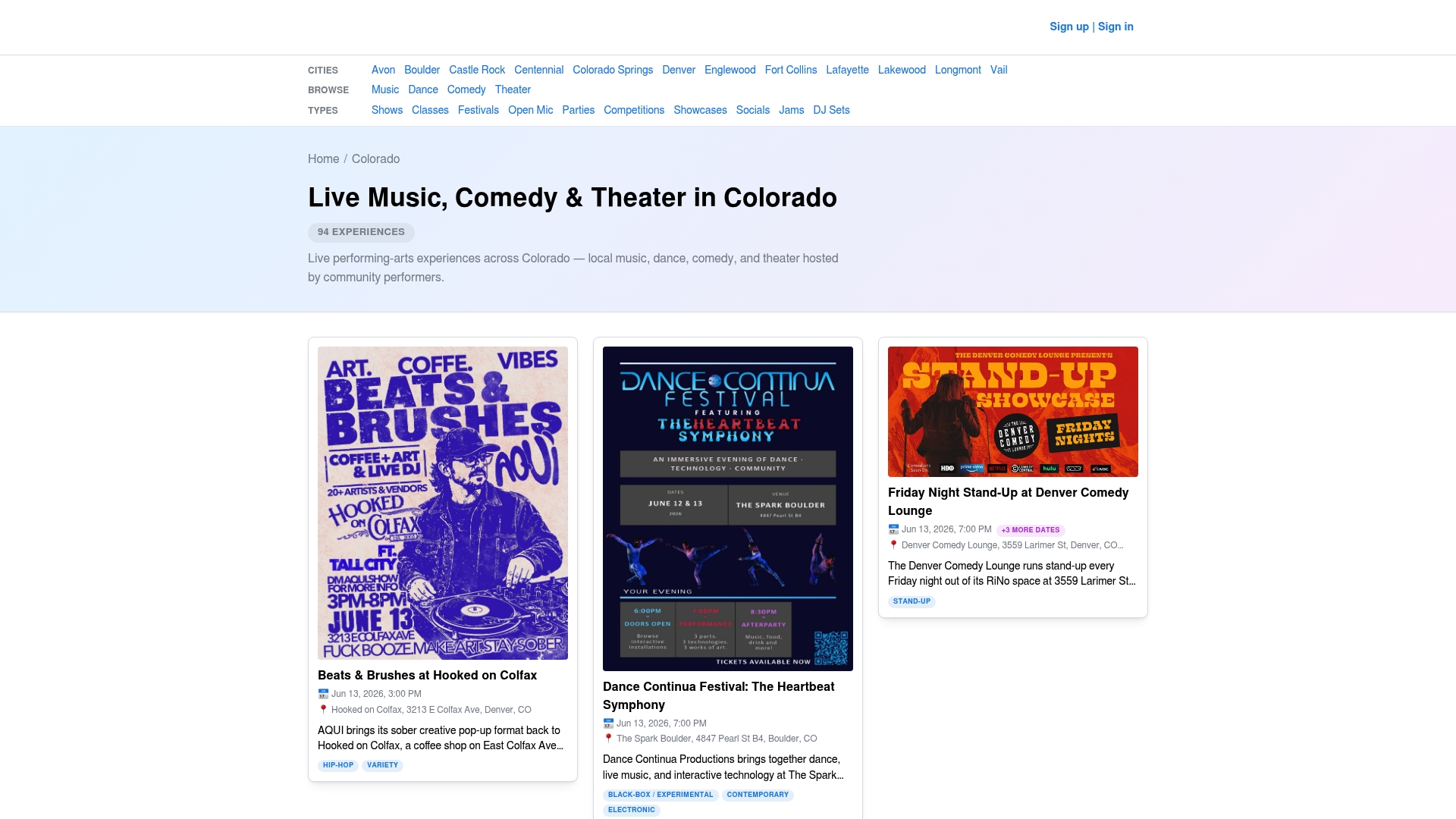
Regional cities are not afterthoughts. Boulder, Fort Collins, Greeley, and Loveland all host weekly showcases that draw loyal local crowds. You can find comedy shows in Colorado across all of these cities through Experiencebylocals.
What types of comedy shows can you find in Colorado?
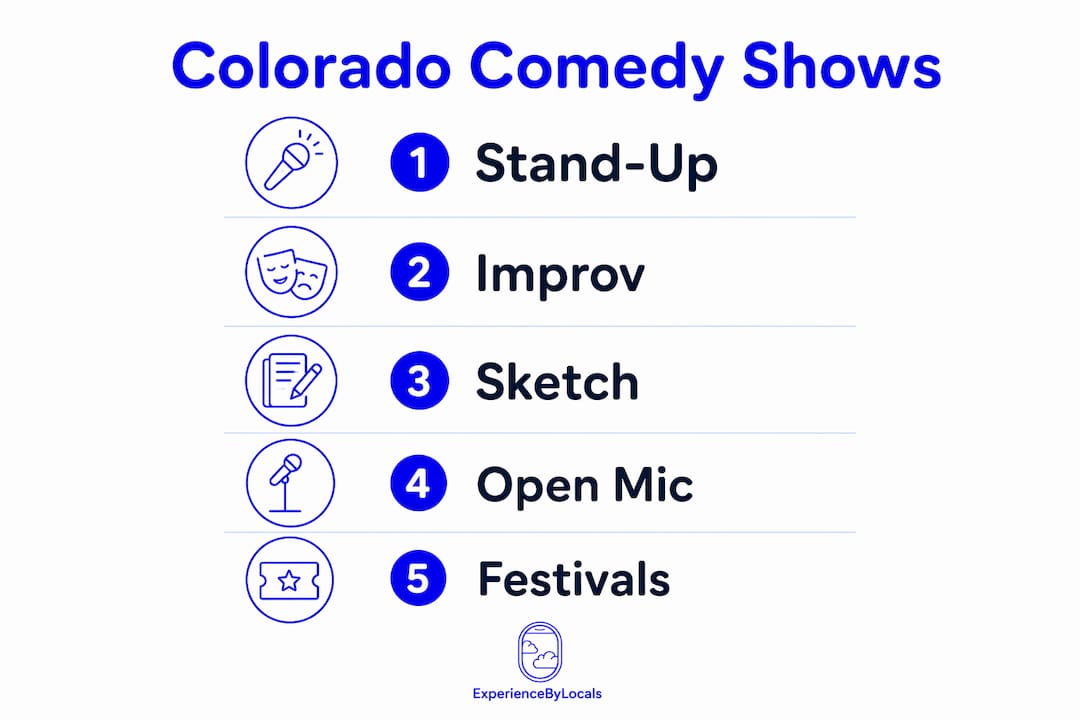
Stand-up is the backbone, but Colorado's comedy culture goes well beyond a person and a microphone. The range is genuinely wide:
- Stand-up showcases: From open mics at breweries to headliner nights at Comedy Works
- Musical improv: "Hit and Run: Musical Improv" at RISE Comedy is Denver's longest-running example of the format
- Alternative and mixed-format shows: The Flea Market, hosted monthly by Rach Angard and Jared McBain since 2021, blends stand-up, theater, and performance art
- Bilingual comedy: Rebeca Trejo's "¡Me Meo!" was the first Spanish-English comedy showcase in Denver, created because Latinos make up 34% of the city's population yet had almost no dedicated stage presence
- Improv radio shows: The King Penny Radio Show at Clocktower Cabaret runs monthly in a 1940s-style format and recently celebrated its 50th performance
Performers often move fluidly between improv, stand-up, and sketch, which keeps the formats cross-pollinating in ways you rarely see on national tours.
How do diverse voices shape Colorado's comedy community?
Colorado's comedy culture actively centers voices that get sidelined elsewhere. The Boulder Comedy Festival, returning annually, was founded by Zoe Rogers specifically to address the imbalance she experienced performing on lineups dominated by straight white men.
"I don't think diversity is divisive. Bringing this festival to Boulder shows that there is an audience for this here, and that they are open to seeing more than just a straight white dude in a hoodie." — Zoe Rogers, Boulder Comedy Festival founder
Comedian Shanel Hughes, a Black, queer woman in the Front Range scene, put it plainly: "We are really divided as a nation right now, which is why comedy is so important. It's a way to show that we're all way more similar than one might think." Boulder audiences, in particular, have earned a reputation for being dedicated to diverse voices, which is why the festival keeps drawing performers from across the country. Comedian Adam Cayton-Holland, a Denver native and founder of the High Plains Comedy Festival, describes Denver crowds as "an incredibly honest barometer of whether a joke works or not."
How can you get involved in Colorado comedy?
Whether you want to watch, perform, or train, there are clear entry points:
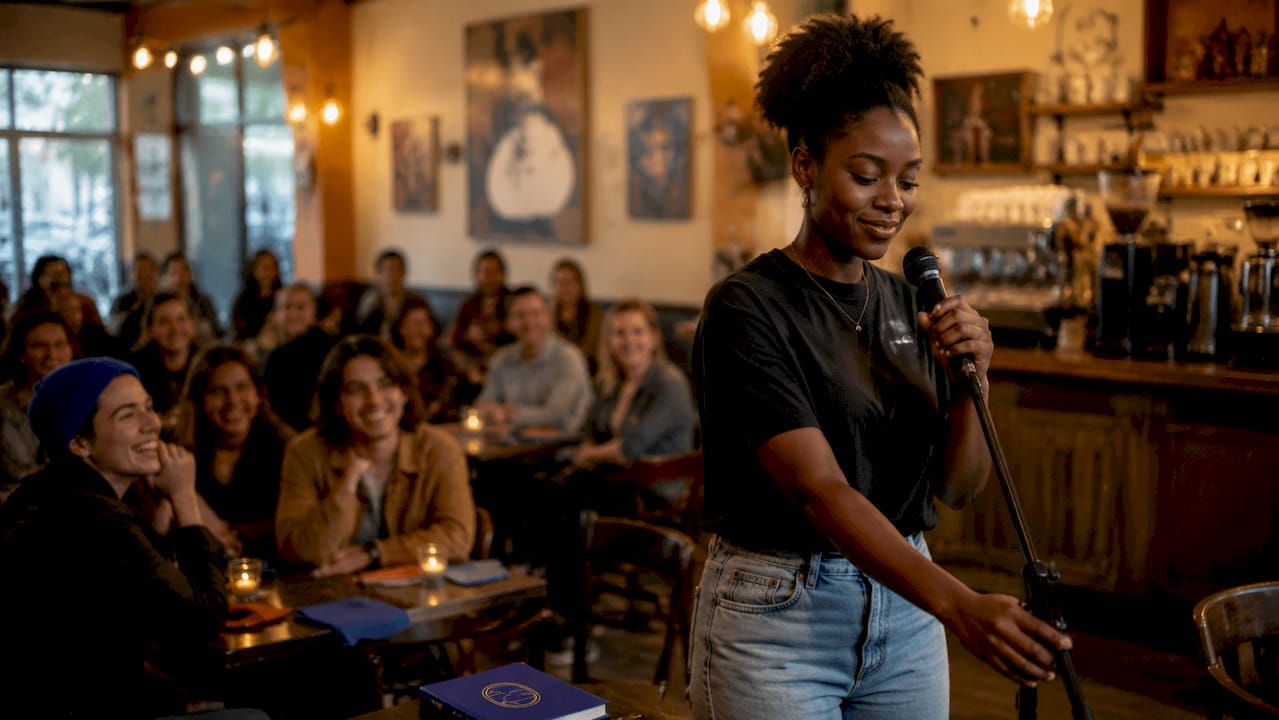
- Open mics: Breweries, backrooms, and community spaces across Denver, Boulder, and Fort Collins host open mics most nights of the week. These smaller rooms are where new performers build their voice in front of supportive crowds
- Improv classes: RISE Comedy runs Colorado's most comprehensive improv training program, and many performers use those classes as a foundation before moving into stand-up or sketch
- Community networking: The Facebook group "Denver Comedy Scene" is where most independent show listings and performer connections actually happen, outside of official club calendars
- Podcasts and media: Local comedians and producers run shows that document and promote the scene
Pro Tip: If you're new to performing, open mic strategy matters more than you think. Start with brewery and backroom mics before moving to club showcases.
Why does the grassroots scene matter so much here?
Comedy Works owner Wende Curtis has said directly that the health of the industry depends on smaller venues creating comedy-savvy crowds and sustaining the talent pipeline. That is not a polite thing to say. It reflects how the scene actually works: the grassroots tier feeds the professional one.
- Independent producers run showcase nights that give emerging comedians stage time before clubs will book them
- Local social media groups coordinate most of the scene's activity outside official calendars
- Small venues like Bug Theatre and Chaos Bloom Theater (which won Westword's Best Intimate Improv Club in 2024) cultivate audiences who then fill seats at Comedy Works
How did Colorado's comedy scene evolve?
Comedy Works opened in 1981 and was, for years, essentially the only serious game in Denver. Adam Cayton-Holland recalls that when he started in 2004, "Comedy Works Downtown was the only show in town." The alternative comedy wave of the 2000s changed that. Cayton-Holland and others began running indie shows at art spaces and bars, eventually building what he calls "one of the more robust indie comedy scenes in the country." The post-COVID period accelerated everything, with Curtis describing the current moment as "a boom" and "a massive explosion."
What are the major comedy festivals in Colorado?
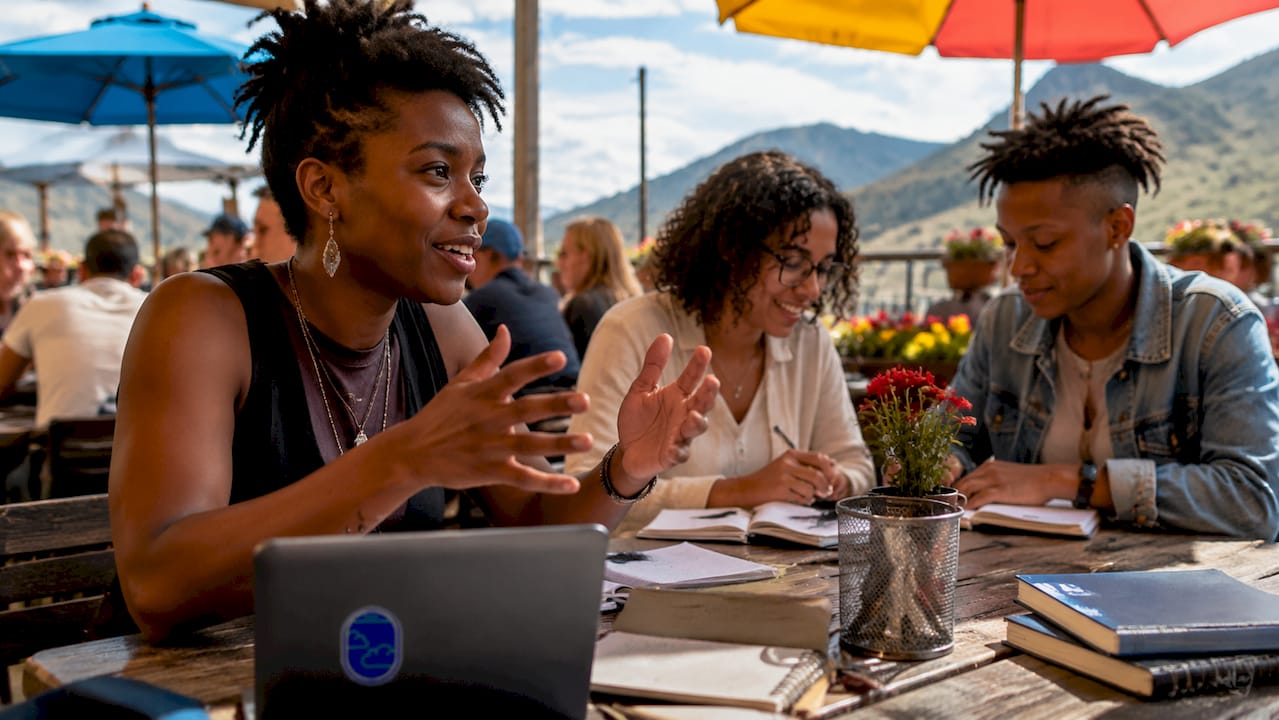
The High Plains Comedy Festival, founded by Adam Cayton-Holland and inspired by Portland's Bridgetown Comedy Festival, has grown over a decade from a local gathering into a destination for national agents and managers. The Boulder Comedy Festival runs annually across multiple Boulder venues, with its 2026 edition kicking off at Niwot Hall to a sold-out crowd. Vatos Locos, organized by Ricky Ramos, celebrated Mexican-American culture as Denver's first bilingual comedy festival.
How has Colorado's comedy scene influenced national comedy?
Denver punches above its weight, as Cayton-Holland puts it, because it is "a smart city but not an industry town." Performers are not chasing industry contacts. They are chasing laughs, which produces sharper material. Comedy Works' reputation as one of the nation's top clubs means national headliners regularly test new material there. The High Plains Comedy Festival has become a legitimate industry showcase. And the alternative scene Cayton-Holland helped build has produced TV credits, touring careers, and a model other mid-size cities have tried to replicate.
Resources and support for emerging comedians in Colorado
Colorado has a real support structure for new performers, not just a vague "community":
- RISE Comedy: Improv training programs open to beginners, with pathways into performance
- Chaos Bloom Theater: Community-focused improv space at 70 S Broadway, Denver
- Open mic nights: Three to five happen every night across Denver alone, per local producers
- "Denver Comedy Scene" Facebook group: The primary hub for event listings, collaborations, and peer feedback
- Boulder Comedy Festival: Actively recruits and platforms emerging voices, especially women and comedians from marginalized communities
Experiencebylocals makes it easy to discover live comedy in Denver and Boulder's local entertainment without sifting through tourist-heavy listings.
️ Ready to experience Colorado comedy for yourself? Experiencebylocals connects you with authentic, community-driven shows across the state. From grassroots open mics to festival headliners, you can browse live events across Colorado and find something real tonight.
Key Takeaways
Colorado's comedy scene is a decentralized, community-driven ecosystem where grassroots venues and diverse voices fuel both local culture and national recognition.
| Point | Details |
|---|---|
| Multi-city scene | Denver, Boulder, Fort Collins, Greeley, and Loveland all host active, regular comedy shows. |
| Anchor institutions | Comedy Works (est. 1981) and RISE Comedy anchor the professional and improv tiers respectively. |
| Diversity is central | The Boulder Comedy Festival and bilingual shows like "¡Me Meo!" actively platform underrepresented voices. |
| Grassroots feeds the pros | Small venues and independent producers build the comedy-savvy audiences that fill major clubs. |
| National reach | The High Plains Comedy Festival has grown into a destination for national agents and managers over a decade. |