
Finding Artist-Run Venues in Denver: A Local's Guide
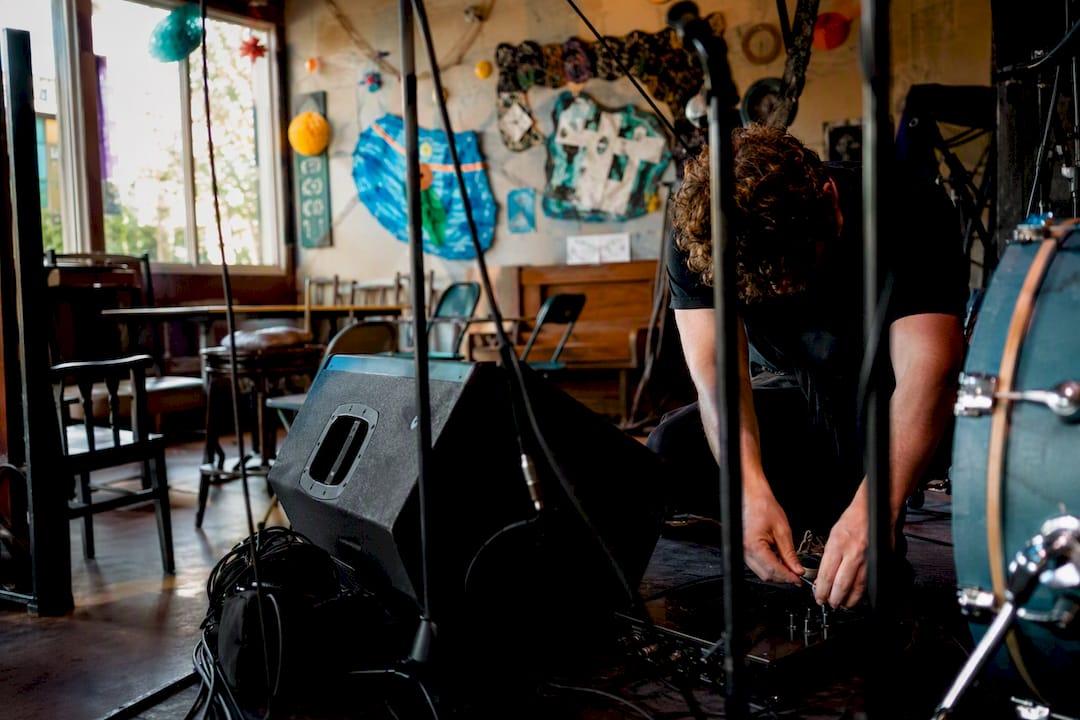
Artist-run venues in Denver are easiest to find through neighborhood districts and community listings, so start with Experience By Locals and the calendars for RiNo and the Art District on Santa Fe. Once you spot something that fits, go. Show up, watch how the room runs, and introduce yourself to whoever's staffing the door. That single move opens more doors than any cold email ever will.
Here's your starting shortlist:
- Art District on Santa Fe — a state-certified creative district packed with co-op galleries and studios
- Truss House (RiNo Art District) — a flexible community performance space in Arkins Park
- SPACE Gallery — an active Santa Fe district gallery with rotating exhibitions and event bookings
You don't need an insider connection to get in the room. You need a plan, three names, and the willingness to show up more than once.
TL;DR:
- Attending events and volunteering at venues build trust and often lead to future exhibition or performance opportunities without needing a perfect pitch.
- Co-ops like EDGE require ongoing participation, such as gallery-sitting or meetings, making volunteer labor more valuable than direct rental payments.
- Venue booking timelines vary from weeks for performances to months for gallery shows, with costs typically based on donations, sliding scale, or revenue share.
- Selecting the right district cluster—RiNo, Santa Fe, or Sun Valley—depends on your medium, as each supports different types of art and activity.
- Using Experience By Locals consolidates grassroots events across Colorado, making it easier for artists to discover and promote shows without extensive marketing efforts.
Table of Contents
- Artist-Run Galleries, Co-Ops, and DIY Venues in Denver
- How Do You Actually Connect With Artist-Run Spaces in Denver?
- What to Expect on Cost, Timeline, and Access
- How Experience By Locals Supports Denver's Artist-Run Scene
- Why the "Just Cold-Email Everyone" Advice Falls Short
- Ready to Find Your Next Show in Denver?
- Key Takeaways
- Sources
Artist-Run Galleries, Co-Ops, and DIY Venues in Denver
Denver's artist-run scene splits into three rough categories, and knowing which one you're walking into changes what you should bring, wear, and expect.
Artist-run galleries and co-ops operate on a membership model: artists pay dues, share wall space, and split the labor of running a gallery instead of relying on a paid director. Spark Gallery, founded in 1979, is the clearest example of how a co-op can mature into a stable nonprofit over decades. EDGE runs on a similar structure, and membership there means gallery-sitting shifts, meetings, and shared administrative work as part of your dues, not on top of them. RULE Gallery and Visions West Contemporary round out the mix, each with its own curatorial personality, but the underlying logic is the same everywhere: you're not renting wall space, you're joining a small business.
DIY performance spaces and collectives run differently. These are volunteer-staffed, often donation-based, and built around music, noise, and performance rather than static exhibition. Denver's alternative scene includes venues like Squirm Gallery, Seventh Circle, and Glob, which local coverage consistently flags for prioritizing all-ages access and community governance over polished production. These spaces tend to be run by the same handful of people who book the shows, work the door, and sweep up after. If you've ever wondered why a DIY show starts 40 minutes late, it's because the person running sound also just finished loading in the PA.
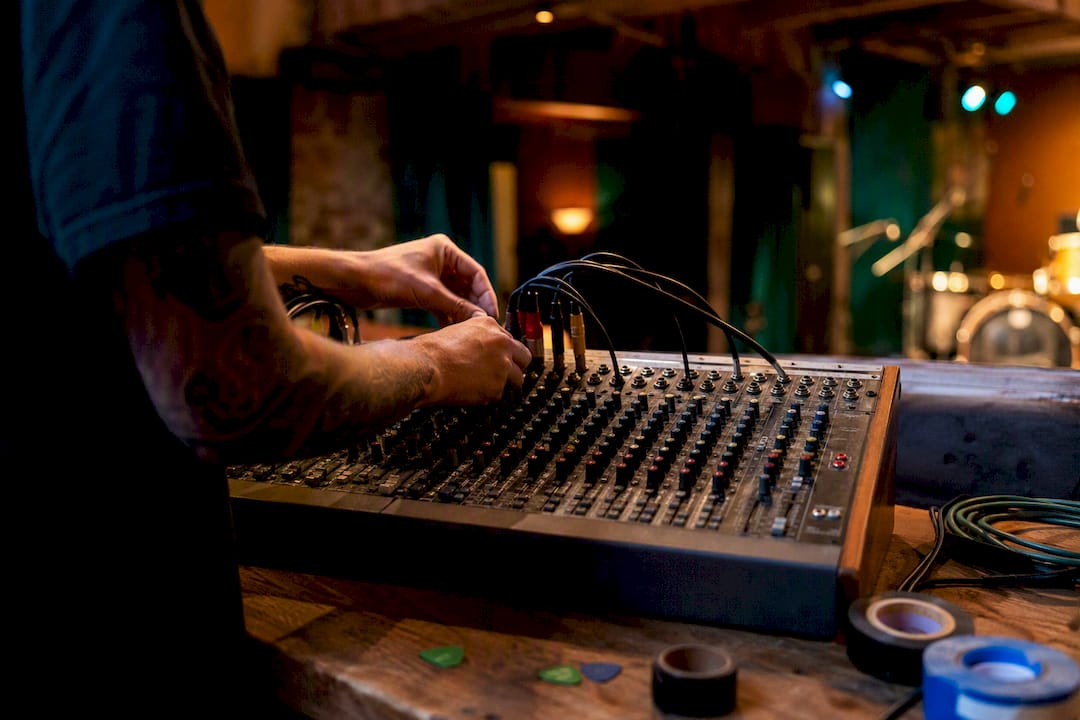
Flexible community venues and art centers sit somewhere in between. Truss House in RiNo hosts affordable creative events without the full commitment structure of a co-op. SPACE Gallery in the Santa Fe district blends gallery programming with event rentals. RedLine and PlatteForum lean toward socially engaged, residency-style programming, useful if your practice involves community workshops rather than a single opening night.
Geography matters more than most newcomers expect:
- RiNo clusters performance-forward spaces and skews toward music, dance, and mixed-media events.
- Art District on Santa Fe concentrates traditional galleries and co-ops, especially along Santa Fe Drive, and First Friday openings there let you meet a dozen organizers in one night.
- Sun Valley and West Denver host a newer, scrappier layer of studios and pop-up spaces, often priced out of RiNo's rising rents.
Pick your cluster based on your medium, not convenience. A painter chasing gallery representation wastes an evening at a noise show in Sun Valley. A touring band gets nothing out of a quiet Santa Fe opening reception.
How Do You Actually Connect With Artist-Run Spaces in Denver?
Getting booked or exhibited at an artist-run venue is less about a perfect pitch and more about showing you understand how the space runs. Here's the sequence that actually works.
- Prepare a lean pitch packet. Two or three portfolio images, a short artist statement, a one-paragraph event plan, and a tech rider if you're performing. Skip the full press kit. DIY venues tend to trust a real conversation over a polished PDF.
- Understand what membership costs in time. Co-ops like EDGE expect gallery-sitting shifts, meeting attendance, and administrative contributions as part of dues, not a substitute for them.
- Offer labor before you ask for a slot. Volunteering at the door, helping with load-in, or running tech at one show first is often the fastest way into a DIY venue's rotation, since these spaces trade lower rents for higher time commitments.
Pro Tip: Show up to a venue's event as an audience member before you ever pitch it. Organizers remember faces, and "I was at your show last month" opens doors that a cold email never will.
Once you've made contact, keep it simple: propose a date, name your equipment needs upfront, and ask directly what the venue expects from you in return. Vague pitches get vague answers.
What to Expect on Cost, Timeline, and Access
Booking timelines vary by format. Exhibitions typically need weeks to months of lead time since gallery calendars fill early, especially around First Fridays. One-off performances or pop-up shows move faster, often booking just a few weeks out if a slot opens.
Pricing in artist-run spaces rarely looks like a standard venue rental. Expect one of three shapes: a suggested donation at the door, a sliding-scale rental fee based on what you can afford, or a revenue-share split on ticket sales. None of these are fixed industry rates. They flex with the venue's monthly costs and how badly they need the room filled that night.
Before committing to a date, confirm:
- Whether the space has a tech rider template or expects you to bring your own
- Load-in windows and whether volunteer staffing is required from performers
- Basic liability coverage or event insurance expectations
- ADA access and any venue-specific accommodations, confirmed directly with organizers ahead of time
Rising rent is squeezing Denver's independent venues, and many survive only through volunteer labor and community donations rather than ticket revenue alone. That's exactly why offering your time upfront carries more weight than a bigger check ever would.
How Experience By Locals Supports Denver's Artist-Run Scene
Finding a DIY show or a co-op opening shouldn't require six different Instagram follows and a group chat you're not in. Experience By Locals works as a searchable home for grassroots live music, dance, comedy, and theater across Colorado, built specifically so organizers can list events without needing a marketing budget.
That's proven useful in ways that go beyond a simple calendar listing:
- A community K-pop choreography night at an artist-run sanctuary space found its audience through a searchable listing instead of scattered flyers.
- Volunteer-run comedy nights get consistent turnout because they're findable by anyone browsing Colorado's comedy scene, not just regulars.
- All-ages DIY shows become easier to locate for families and younger audiences who'd never think to check a venue's Instagram Stories.
Grassroots events thrive when the right audience can actually find them without already being an insider. That's the gap a searchable, community-first listing platform closes.
Why the "Just Cold-Email Everyone" Advice Falls Short
Most guides to breaking into a local arts scene tell you to build a killer press kit and blast it to every venue on a list. That advice is backwards for Denver's artist-run world, and the research bears it out: these spaces run on volunteer labor and trust built over repeated contact, not polished pitches landing in an inbox.
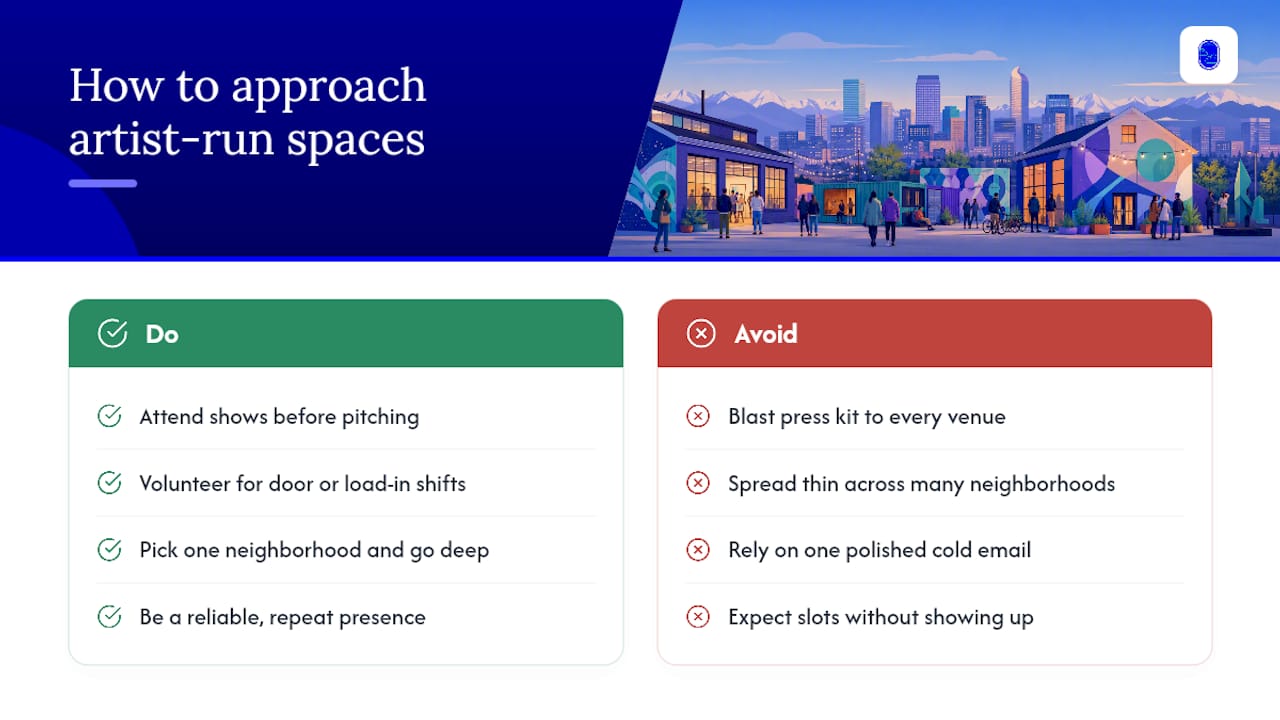
What actually moves the needle is showing up first. Attend before you pitch. Volunteer before you ask for a slot. The venues covered in Westword's rundown of Denver's DIY scene survive because someone always steps up to run the door or load in the gear, and that person usually gets the next open slot without asking twice.
If I had to prioritize one thing for an artist new to this ecosystem, it's picking a single neighborhood cluster and going deep for a season rather than spreading thin across RiNo, Santa Fe, and Sun Valley at once. Depth of relationship beats breadth of exposure here, every time. The scene rewards regulars, not networkers.
— DJ
Ready to Find Your Next Show in Denver?
Cold-emailing venues and scrolling ten different Instagram accounts is one way to find a show. It's slow, and it puts the burden entirely on you to track down what's happening and when. Experience By Locals takes a different route: a searchable platform where grassroots live music, comedy, dance, and theater events across Colorado are already organized in one place, listed directly by the organizers running them.
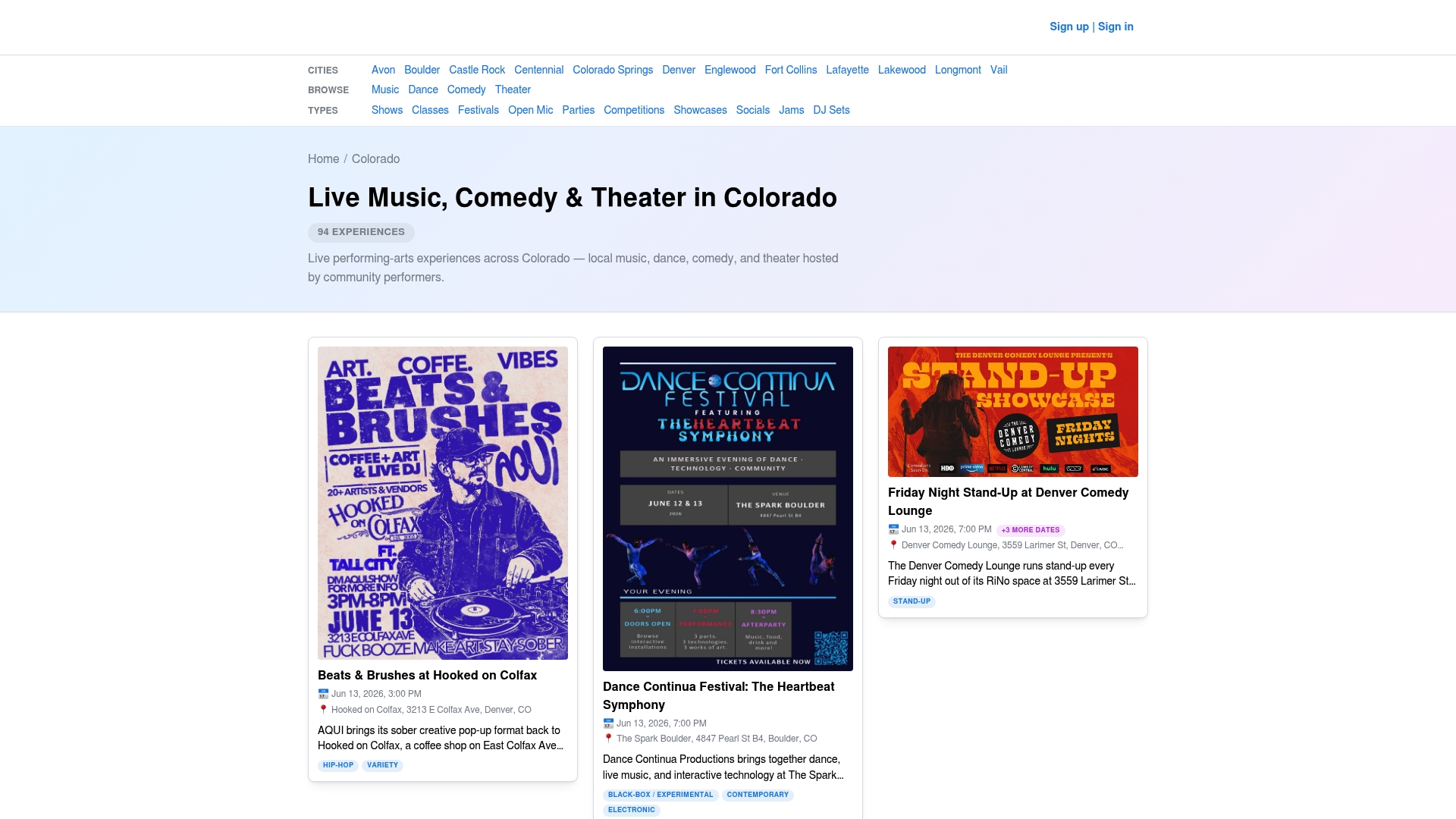
Whether you're scouting a DIY show to volunteer at this weekend or looking to list your own event so the right audience finds it without a marketing budget, the platform handles the discovery side so you can focus on the work. Browse what's happening in Denver right now, and if you're organizing something yourself, get it listed before your next date fills up.
Key Takeaways
Finding and connecting with artist-run venues in Denver works best when you treat district clustering, volunteer labor, and repeated in-person contact as the real currency, not polished pitches.
| Point | Details |
|---|---|
| Start with district clusters | RiNo, Art District on Santa Fe, and Sun Valley each concentrate different scenes, so match your medium to the neighborhood. |
| Show up before you pitch | Attending an event first builds the trust that gets you a slot faster than a cold email. |
| Expect time, not just money | Co-ops like EDGE require gallery-sitting and meetings; DIY venues value volunteer help with door or load-in. |
| Confirm logistics early | Lock in tech riders, load-in windows, insurance expectations, and ADA access before committing to a date. |
| Use Experience By Locals to find and list shows | The platform centralizes grassroots Colorado listings so Denver artists and organizers can discover and promote events in one searchable place. |
Sources
- 5 Denver punk venues locals should know | Westword
- DoDIY: USA: Colorado
- SPACE Gallery
- Truss House (RiNo Art District)