
Find, Book, and Join Boulder Community Theater in 5 Minutes
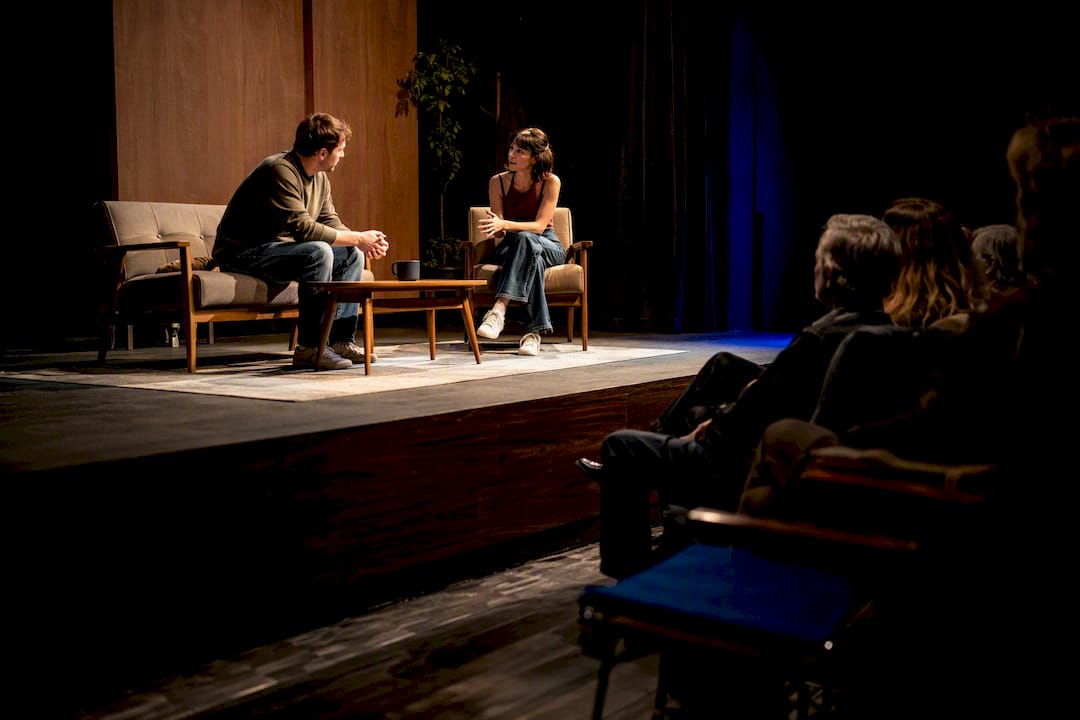
Boulder has one of the liveliest community-theater scenes on the Front Range, with active groups staging shows at the Dairy Arts Center, The Nomad Playhouse, Boulder Theater, and several smaller stages year-round. You'll find seasonal productions, rotating youth shows, and senior-focused programming across town. Check individual venue calendars or browse Experience By Locals' Boulder listings to see what's playing this week and grab tickets.
TL;DR:
- Community theaters in Boulder offer varied programming across multiple venues, with many shows aimed at specific age groups and interests.
- Most local companies post their current and upcoming productions on individual websites and the Experience By Locals Boulder page, which consolidates listings.
- Open auditions and volunteer opportunities are accessible for newcomers, with many productions requiring no prior experience besides basic preparation.
- Smaller, artist-run stages tend to be more welcoming for first-timers seeking involvement, especially at venues like The Spark and Theatre O.
- Supporting community theater through memberships, donations, or word-of-mouth helps sustain a diverse, artist-driven local scene that connects residents to their neighbors.
Table of Contents
- Where to See Community Theater in Boulder
- How Do I Find Current and Upcoming Shows in Boulder?
- Can You Do Community Theater With No Experience?
- Accessibility, Parking, and Family-Friendly Details
- How Experience By Locals Curates Boulder Theater
- Where Did Boulder's Community Theater Come From?
- What Kinds of Shows Does Boulder Community Theater Stage?
- Who Are Boulder's Notable Theater Groups and Figures?
- How Can You Support Community Theater Beyond Buying a Ticket?
- Why Does Community Theater Matter to Boulder?
- What This Guide Gets Right That Most Don't
- Find and Book Boulder Theater Events Faster
- Venue Pages Worth Bookmarking
- Sources
- FAQ
Where to See Community Theater in Boulder
Boulder's theater scene isn't concentrated in one building. It's spread across a handful of stages, each with its own personality and its own following. Here's who's putting on shows and what each one tends to focus on:
- Dairy Arts Center — A multi-venue arts hub that hosts touring companies alongside resident groups; Upstart Crow Theatre Company regularly runs its productions here, so its own current show schedule is the best place to check dates.
- Boulder Theater — A historic downtown venue that mixes concerts, comedy, and staged performances; check its event calendar directly for whatever's booked that month, since programming shifts frequently.
- The Nomad Playhouse — A working stage known for intimate, community-driven productions, often running shorter rotating engagements rather than long open-ended runs.
- VIVA Theater — Boulder's theater company built around older adult performers and audiences, producing shows and outreach programs aimed at that community specifically.
- CenterStage Theatre Company — Serves Boulder County with youth-focused productions, running multiple shows and classes for younger performers throughout the year.
- Boulder Ensemble Theatre Company (BETC) and LOCAL Theater Company — Both lean toward original and contemporary scripts, often staging work you won't see anywhere else in Colorado.
- The Spark and Theatre O — Smaller experimental spaces where you'll find one-off performances, workshops, and shows that push past the traditional stage format.
Most of these groups follow a seasonal pattern: a handful of mainstage productions announced months ahead, plus shorter rotating runs squeezed in between. The Boulder Performing Arts overview is a solid starting point if you want a single page that rounds up who's active locally before you drill into individual venue sites.
How Do I Find Current and Upcoming Shows in Boulder?
Finding what's playing right now takes about five minutes if you know where to look. Here's the fastest route:
- Start with venue calendars. Upstart Crow, VIVA Theater, and CenterStage all post their current productions and dates directly on their own sites, and that's usually the most accurate source since aggregators pull from there.
- Browse Experience By Locals' Boulder page. It pulls together local live theater, comedy, and music listings in one searchable spot, which saves you from checking a dozen individual sites.
- Watch for season announcements. Most Boulder companies announce their full slate of shows once or twice a year, typically in late summer or early spring, and this is when subscription packages go on sale.
- Compare subscription vs. single tickets. A season subscription locks in seats for every mainstage show at a lower per-ticket cost, while single tickets give you flexibility if you only want to catch one production.
A few booking tips worth knowing: popular shows at BETC and LOCAL Theater Company tend to sell out their closing weekends first, so book early if a specific date matters. Many venues also offer pay-what-you-can nights or discounted previews, and box office hours are usually posted separately from show times, so double-check before you drive over expecting a walk-up window.
Can You Do Community Theater With No Experience?
Yes, and Boulder's groups are built for exactly that kind of entry point. Community theater exists specifically to make room for people who've never set foot on a stage, and most local companies post open calls where prior credits aren't required.
Auditions and volunteer calls typically show up in a few predictable places: the theater's own website, local Facebook groups dedicated to Boulder arts, and sometimes event listings on Experience By Locals. If performing feels intimidating for a first attempt, front-of-house work, ushering, and tech crew are the easiest ways in. Most productions need more backstage hands than performers, and volunteering is a low-pressure way to see how a company operates before you audition.
- Ensemble and chorus roles in musicals rarely demand formal training. They just need bodies willing to learn the blocking.
- CenterStage runs youth classes and productions that double as a training ground for kids new to performing.
- VIVA Theater welcomes older adults regardless of stage background, with programs built around participation rather than resume-building.
- Adult workshops at several Boulder venues teach improv, scene work, and audition basics for people starting from zero.
Pro Tip: Show up to your first audition having read the script once, even just skimming it. Directors notice who bothered to prepare, and it takes the edge off walking in cold.
Accessibility, Parking, and Family-Friendly Details
Before you head out, a quick logistics check saves you a headache at the door. Most Boulder venues offer wheelchair-accessible seating and assisted-listening devices, but availability varies by building, so call the box office ahead of time rather than assuming.
Parking around downtown venues like Boulder Theater and the Dairy Arts Center can get tight on weekend evenings. Give yourself extra time or look at nearby garages rather than circling for street parking. If a Boulder show sells out or the timing doesn't work, Longmont's theater scene is close enough to be a genuine backup option, with groups like Longmont Theatre Company running their own regular seasons.
On family-friendliness: youth productions from CenterStage are built for all ages, while original works from BETC or LOCAL Theater Company can run more mature in theme. When in doubt, check the show description for a runtime and content note before buying tickets for kids.
How Experience By Locals Curates Boulder Theater
There are platforms that focus on grassroots and artist-run shows, highlighting programming that reflects what Boulder's creative community is actually doing, not just what's easiest to market.
That means you'll find listings for original scripts from local playwrights, pop-up performances in unconventional spaces, and cultural showcases that don't always make it onto mainstream event sites. Our Boulder page surfaces these alongside the more established venues, so you get the full picture rather than just the handful of companies with the biggest marketing budgets.
Where Did Boulder's Community Theater Come From?
Boulder's theater tradition grew alongside the city's broader arts identity, rooted in the same do-it-yourself spirit that shaped its music and public arts scenes decades ago. The University of Colorado Boulder's theater programs seeded generations of local performers and directors, many of whom stayed in the area and built or joined community companies after graduating rather than heading to bigger markets.
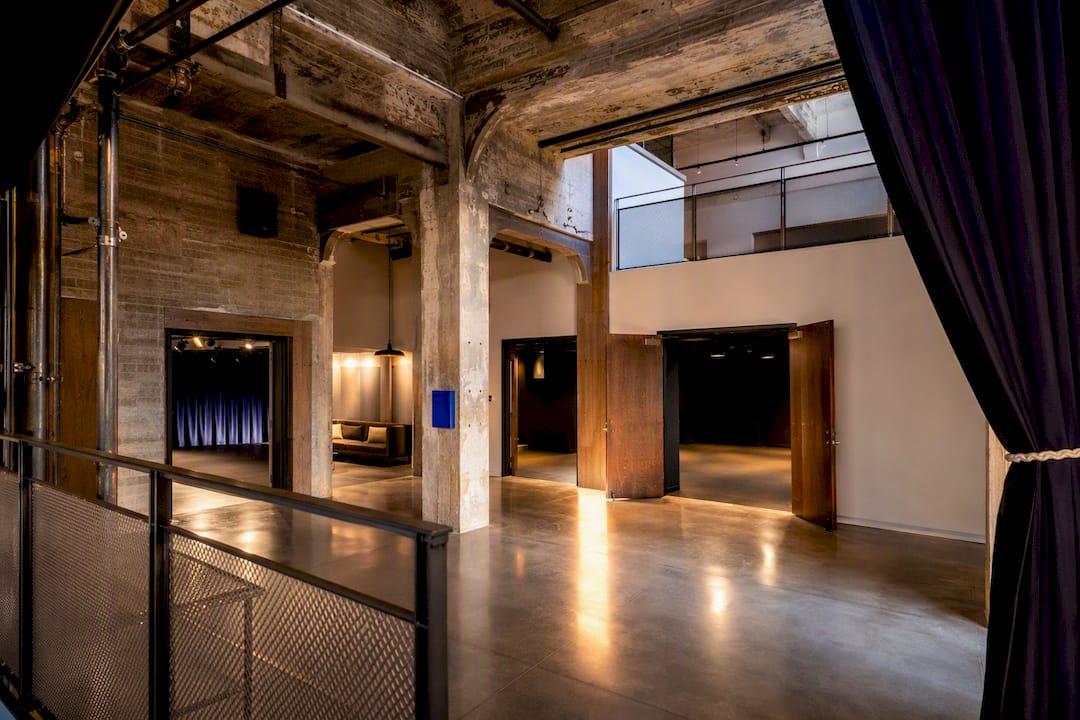
The Dairy Arts Center, a converted dairy processing plant turned multi-venue arts space, became a turning point. It gave small companies a professional-grade stage without professional-grade rent, which let groups like Upstart Crow establish steady seasons instead of scrambling for one-off venues. That model, affordable space plus a built-in audience of arts-curious residents, is a big part of why Boulder supports as many active companies as it does relative to its size.
Newer groups like BETC and LOCAL Theater Company reflect a shift toward original, Colorado-written work rather than only touring scripts or classic revivals. That's not an accident. Boulder's audiences have historically rewarded companies willing to take creative risks, and the theater scene here has leaned into that reputation rather than away from it. The result is a community theater culture less interested in copying Denver's larger regional houses and more focused on carving out its own identity.
What Kinds of Shows Does Boulder Community Theater Stage?
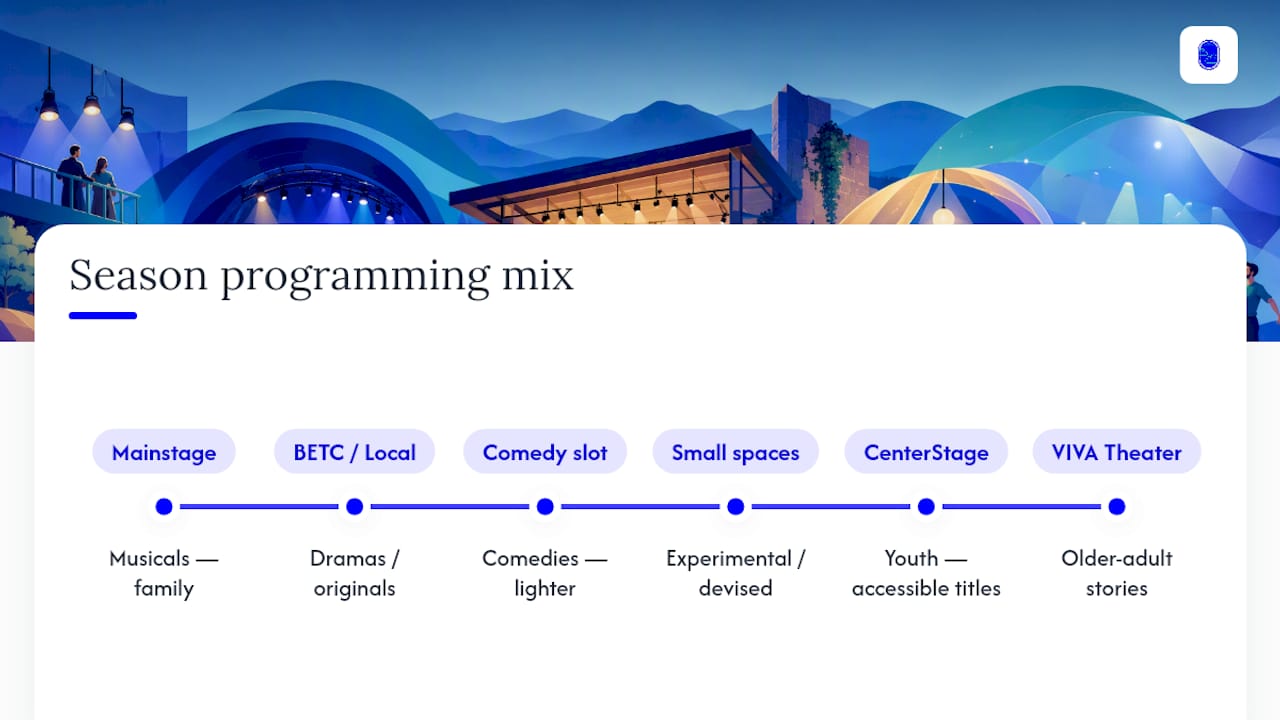
Walk into any given season and you'll find a genuine mix, not just the musicals-and-holiday-classics formula some towns default to. Musicals remain a reliable draw, especially from groups programming for broad family audiences, but they share the calendar with straight dramas, comedies, and increasingly, experimental work that wouldn't fit on a traditional stage at all.
Dramas and original scripts tend to come from companies like BETC and LOCAL Theater Company, both known for staging contemporary and sometimes uncomfortable material rather than safe, familiar titles. Comedies show up regularly too, often as the lighter counterbalance to a heavier mainstage drama earlier in the season. Experimental and devised work lives mostly at smaller spaces like The Spark and Theatre O, where the format itself, immersive staging, non-linear storytelling, audience participation, is often part of the point.
Youth-focused productions from CenterStage skew toward accessible, well-known titles that give young performers a manageable entry point. VIVA Theater's programming centers older adult performers and stories that speak to that stage of life, which is a genre you won't find represented nearly as often in mainstream theater listings. Taken together, a Boulder theatergoer who commits to seeing a handful of shows across different companies in a single year will likely see more range in tone and format than a similarly sized single regional theater usually offers.
Who Are Boulder's Notable Theater Groups and Figures?
Upstart Crow Theatre Company has built its identity around Shakespeare and classical work, becoming one of Boulder's more recognizable names for anyone who wants the canon done with local energy rather than imported from a touring production. Its consistent presence at the Dairy Arts Center has made it something of an anchor tenant for theater specifically within that space.
VIVA Theater occupies a niche few other Colorado companies fill this directly: theater built around and for older adults, both onstage and in the audience. That focus has made it a genuine outreach program as much as a performance company, and it's worth knowing about if you or someone you know is looking for a stage community that doesn't assume performers are in their twenties.
CenterStage Theatre Company has quietly become one of the region's steadiest youth-theater pipelines, running enough productions and classes across a year that many Boulder County kids get their first stage experience through the company without ever looking elsewhere. BETC and LOCAL Theater Company represent the newer wave, both known locally for prioritizing original and contemporary scripts over safer, tested material. Together, these groups give Boulder a theater culture with real range, from classical revival to brand-new writing to age-specific programming, rather than a single dominant house setting the tone for everyone else.
How Can You Support Community Theater Beyond Buying a Ticket?
Ticket sales rarely cover the full cost of running a season, so most Boulder companies depend on support that goes beyond a single night's attendance. Memberships and season subscriptions are the easiest next step. They give a theater predictable income before the season even opens, which matters enormously for smaller nonprofit companies trying to budget months in advance.
Direct donations matter too, especially for companies without large institutional backing. Many Boulder groups run annual giving campaigns or accept donations tied to specific productions, and even a modest gift often goes toward things audiences never see: royalties, set materials, or stipends for performers who'd otherwise go unpaid. Volunteering your time counts as support as well. Ushering, helping with box office duties, or joining a load-in crew all reduce a company's operating costs directly.
If money and time are both tight, word of mouth still carries real weight. Sharing a show on social media, leaving a review, or simply bringing a friend to a production they wouldn't have found on their own helps a small company build the audience base it needs to keep programming ambitious work instead of only safe, guaranteed sellers.
Why Does Community Theater Matter to Boulder?
Community theater gives Boulder something a lot of larger cultural institutions can't: a stage where the people performing are your neighbors, coworkers, and the barista who made your coffee that morning. That proximity changes the relationship between audience and performer in a way touring Broadway productions simply don't replicate.
It also functions as a training ground and safety net for local artists. Performers, directors, and designers get real stage experience without needing professional credentials first, which keeps Boulder's creative talent pool active instead of forcing anyone serious about theater to leave for a bigger market. Youth programs through CenterStage and senior-focused work through VIVA Theater extend that value across age groups that mainstream entertainment often overlooks entirely.
There's an economic ripple effect too. Every ticket sold, every volunteer shift filled, and every donation made keeps a small nonprofit's doors open, which in turn keeps rehearsal spaces rented, local printers busy with programs, and nearby restaurants fed with pre-show diners. Community theater isn't a lesser version of "real" theater in Boulder. It's the version that actually belongs to the people who live here.
What This Guide Gets Right That Most Don't
Most guides to community theater treat it as a spectator activity, something you attend a few times a year and forget about between shows. That framing undersells what's actually available in Boulder. The real opportunity here isn't just watching a good show at the Dairy Arts Center. It's how easy the entry point is if you want to step past the audience seat entirely.
Conventional advice tends to push people toward the biggest names first, Boulder Theater, the flashiest season announcement, without mentioning that smaller companies like The Spark or Theatre O are often more welcoming to first-timers precisely because they're not trying to fill 500 seats a night. If you're genuinely curious about getting involved rather than just attending, prioritize the smaller, artist-run stages before the marquee venues. That's where volunteer roles are least competitive and where directors are most willing to take a chance on someone with zero credits.
Attendance still matters, and buying a ticket is never a wrong move. But treating Boulder's theater scene as something to participate in, not just watch, is where the real payoff lives.
— DJ
Find and Book Boulder Theater Events Faster
Some platforms aggregate Boulder's grassroots theater, comedy, and live performances into one searchable page to make finding events easier without visiting multiple individual websites.
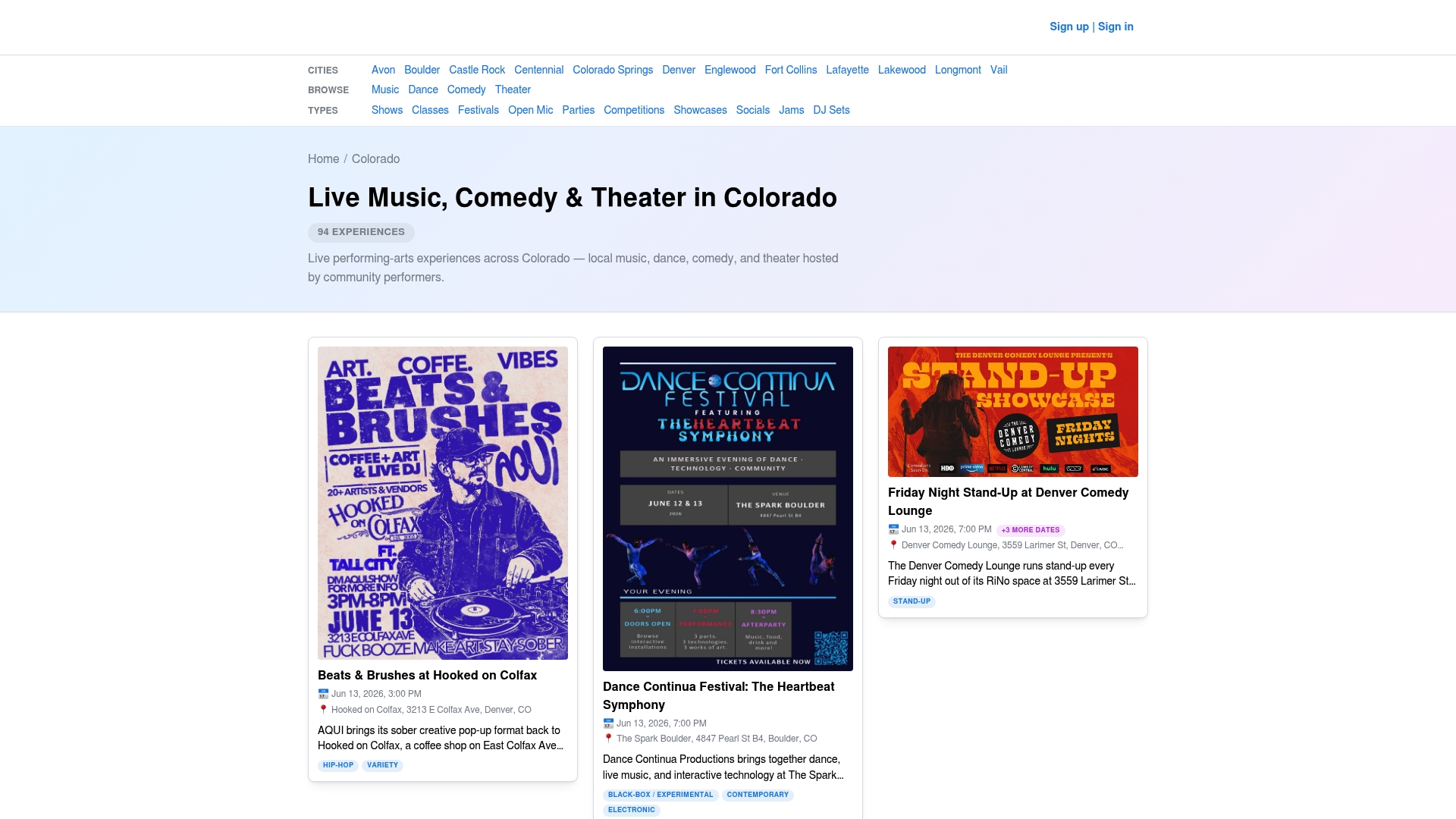
Our Boulder listings page lets you filter by category to jump straight to theater events, book directly with the hosting artist or company, and skip the guesswork of which small venue is running what. If Boulder's calendar is thin on a given week, our Longmont listings and broader Colorado theater page widen the search without losing that same local, artist-hosted focus. Head to the Boulder page now, filter for theater, and book your next show directly with the people putting it on stage.
Venue Pages Worth Bookmarking
Keep these bookmarked for the latest schedules, ticket info, and box office details straight from the source:
- Upstart Crow Theatre Company
- CenterStage Theatre Company
- VIVA Theater
- Boulder Performing Arts overview
- Visit Longmont performing arts guide
Sources
- Current Show - The Upstart Crow Theatre Company
- CenterStage Theatre Company | Youth Theatre, Boulder County
- HOME | Boulder's VIVA Theater
- Boulder Performing Arts | Theater, Dance & Music
FAQ
What Shows Are Happening at Boulder Theater?
Boulder Theater's lineup shifts month to month and mixes concerts, comedy, and staged performances, so check its event calendar directly or browse Experience By Locals' Boulder listings for current dates.
Is Boulder Liberal or Conservative?
Boulder is widely known as one of Colorado's most politically progressive cities, and that civic character shows up in its arts scene through strong public support for original, risk-taking local theater rather than only safe, mainstream programming.
Can You Do Community Theater With No Experience?
Yes. Most Boulder companies, including CenterStage and VIVA Theater, welcome newcomers through open auditions, volunteer roles, and workshops that require no prior stage credits.
What TV Show Was Filmed in Boulder, Colorado?
Boulder has appeared in various film and television productions over the years thanks to its distinctive downtown and mountain backdrop, though its community theater scene itself remains centered on live, locally produced work rather than screen productions.
How Do I Find Auditions for Boulder Community Theater?
Check individual venue websites like Upstart Crow and CenterStage directly, along with local Facebook arts groups and event listings on platforms like Experience By Locals, since most companies post open calls there first.