
Dance Workshop Checklist for Beginners: Be Ready
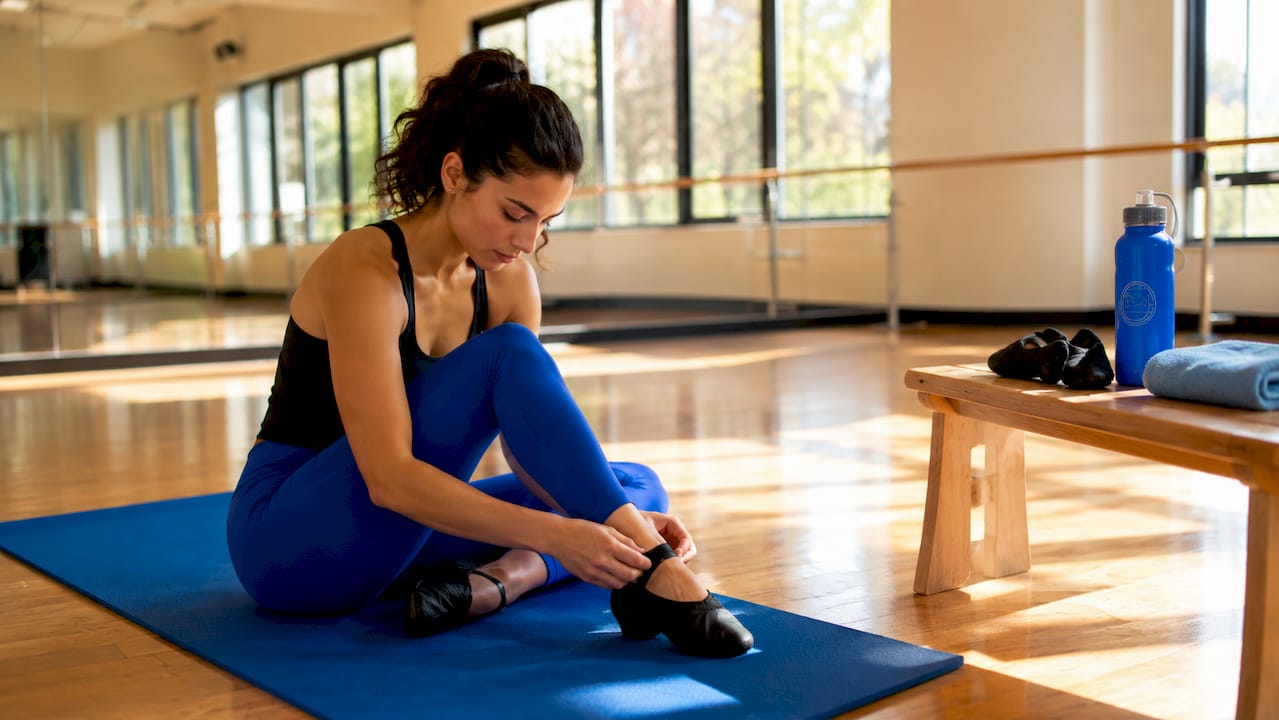
A dance workshop checklist for beginners is a preparation guide covering gear, physical readiness, etiquette, and practice habits before your first class. Walking in prepared means you spend less energy worrying and more energy learning. Dance educators consistently recommend arriving early, wearing style-appropriate shoes, and completing a short warm-up as the three non-negotiable starting points. This guide gives you every item on that list, plus the insider tips most beginners only learn after their first awkward session.
1. What should beginners bring to a dance workshop?
Your dance bag is your first line of confidence. Essential dance workshop gear includes fitted moisture-wicking clothing, style-specific shoes, a refillable water bottle, and a towel. Each item has a real purpose, not just a suggestion.
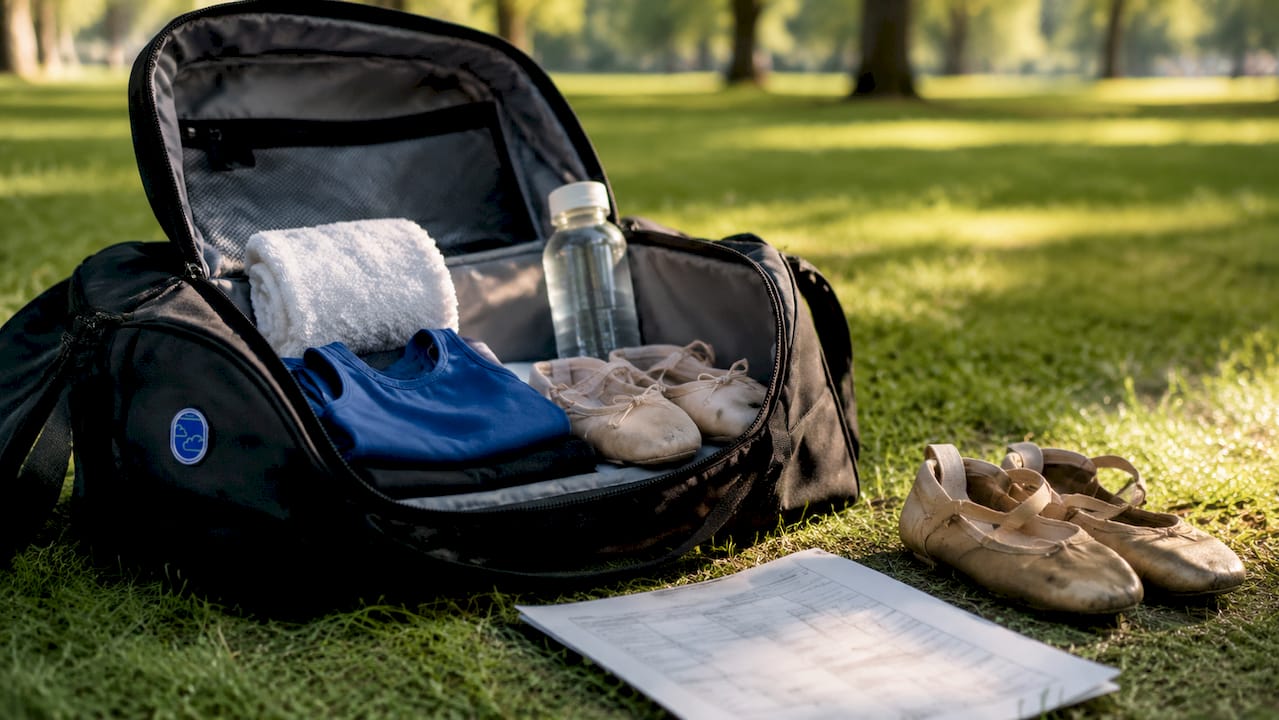
Clothing: Fitted clothes let your instructor see your body alignment and correct your posture. Baggy sweatpants hide your leg lines and make it harder for you to spot your own mistakes in the mirror.
Shoes: Ballet flats, jazz shoes, and ballroom heels are not interchangeable. Wearing the wrong shoe for the style can affect your balance and increase your risk of ankle strain. Check your workshop description for the recommended footwear before you buy anything.
Hydration and hygiene: Bring a refillable water bottle and a small towel. Workshops often run 60–90 minutes without a formal break, so staying hydrated is your responsibility. A laundry kit with a plastic bag for sweaty clothes and a small hygiene pouch keeps you fresh between sessions and is a habit every experienced dancer swears by.
Here is a quick reference checklist:
- ✅ Fitted, moisture-wicking top and leggings or dance pants
- ✅ Style-specific dance shoes (confirm with your studio)
- ✅ Refillable water bottle (at least 16 oz)
- ✅ Small towel
- ✅ Hair ties or pins to keep hair off your face
- ✅ Plastic bag for used clothes
- ✅ Small hygiene kit (deodorant, wipes, lip balm)
- ✅ Light snack for after class (banana, granola bar)
Pro Tip: Pack your bag the night before. Decision fatigue on the morning of your first class is real, and forgetting your shoes is a confidence killer before you even walk in the door.
2. How to prepare physically before your first dance workshop
Physical readiness is not about being fit. It is about arriving in a state where your body can move freely and your mind can focus on learning.
Arrive 10–15 minutes early to settle into the space, change your shoes, and begin a light warm-up. That buffer time removes the stress of rushing and gives your nervous system a chance to shift into learning mode. A 5–10 minute warm-up of light cardio, like marching in place or gentle jumping jacks, followed by dynamic stretches for your hips, ankles, and shoulders, prepares your joints for the range of motion dance demands.
Eat a light snack 60–90 minutes before class. A heavy meal slows you down. A banana or a handful of nuts gives you energy without weighing you down. Drink water before you arrive, not just during class.
Choreography is taught in layers: footwork first, then arms, then the full combination. Knowing this in advance means you will not panic when the instructor breaks a sequence into small pieces. That is the method, not a sign that you are behind.
Pro Tip: If you feel lost during a combination, drop your arms and just focus on your feet. Once your footwork is automatic, adding the upper body becomes much easier.
3. Etiquette and behavior tips for your first dance class
Good etiquette is not about being formal. It is about creating a space where everyone, including you, can learn faster.
Silence your phone and avoid side conversations during instruction. Every time the instructor repeats a correction because of noise, the whole class loses time. Listening attentively to corrections directed at others is one of the fastest ways to improve, because those notes almost always apply to you too.
View every correction from your instructor as free personalized coaching. Instructors correct dancers they believe can improve. Silence or being ignored is the real warning sign.
Here are the core etiquette rules every beginner should follow:
- Arrive before class starts, not as it starts
- Silence your phone completely, not just on vibrate
- Stand where you can see the instructor clearly
- Ask questions after the instructor finishes a demonstration, not during
- Respect partner rotation. Most workshops rotate partners to build individual skill, so go with it
- Thank your instructor and classmates at the end of class
Choosing the right workshop level matters more than most beginners realize. "Beginner" and "absolute beginner" are different classifications. Signing up for a class above your level is the most common source of frustration for new dancers. Read the workshop description carefully and, when in doubt, start lower.
4. How to practice outside of workshops to build real skill
Consistent short practice sessions build skill faster than occasional long ones. Beginners typically feel confident after 4–6 weeks of regular attendance, and daily home practice accelerates that timeline significantly.
Here is a simple practice structure that works:
- Footwork only (2–3 minutes). Replay the sequence from class and walk through just the feet. No music yet. Slow is fast here.
- Add music (2–3 minutes). Run the footwork with the actual song from class. Your brain starts connecting movement to rhythm.
- Add arms (2 minutes). Layer in the upper body only after the footwork feels automatic.
- Full run-through (2–3 minutes). Put it all together. Record yourself once a week to track progress.
- Rhythm training (2 minutes). Clap, nod, or walk to music to train your internal beat. Rhythm is a learned skill, not a talent you either have or do not have.
A mirror is your best practice tool at home. Watching your own movement catches habits your body does not feel yet. If you do not have a full-length mirror, use your phone camera propped against a wall.
Set one small goal per practice session. "I will nail the first eight counts" is a goal. "I will practice dance" is not. Small wins compound quickly, and celebrating them keeps you coming back.
Key Takeaways
A complete beginner dance workshop guide covers gear, physical prep, etiquette, and consistent practice as the four pillars of a confident first experience.
| Point | Details |
|---|---|
| Pack the right gear | Bring fitted clothes, style-specific shoes, water, a towel, and a hygiene kit every time. |
| Arrive early and warm up | Get there 10–15 minutes before class and do a 5–10 minute dynamic warm-up to prevent injury. |
| Learn in layers | Focus on footwork first before adding arms or full combinations to avoid feeling lost. |
| Follow class etiquette | Silence your phone, listen to all corrections, and choose the right skill level for your workshop. |
| Practice daily at home | Short 5–10 minute sessions between classes build confidence faster than weekly classes alone. |
What I wish someone had told me before my first workshop
The biggest mistake I see beginners make is not showing up unprepared. It is showing up to the wrong class. I did it myself. I signed up for a "beginner" salsa workshop that turned out to be a refresher for people who already knew the basic step. I spent the first 20 minutes convinced I had no rhythm and no business being there.
Misjudging skill level is the most common beginner mistake, and it has nothing to do with ability. It is a labeling problem. Always read the full workshop description and, if possible, call the studio and ask what "beginner" means for that specific class.
The second thing I learned is that rhythm is not a gift. Dance educators confirm that rhythm is trainable through simple physical exercises like clapping or walking to music. I spent 10 minutes a day for two weeks just clapping along to songs I liked. My timing improved noticeably by week three.
Stop comparing yourself to the person next to you. They have been doing this longer. Your only comparison point is where you were last week. The dancers who improve fastest are the ones who stay curious, accept corrections with gratitude, and keep showing up.
— DJ
Where to find beginner-friendly dance events near you
Ready to put this checklist to use? Experiencebylocals connects you with authentic local dance workshops, live music, and theater events hosted by real artists across Colorado.
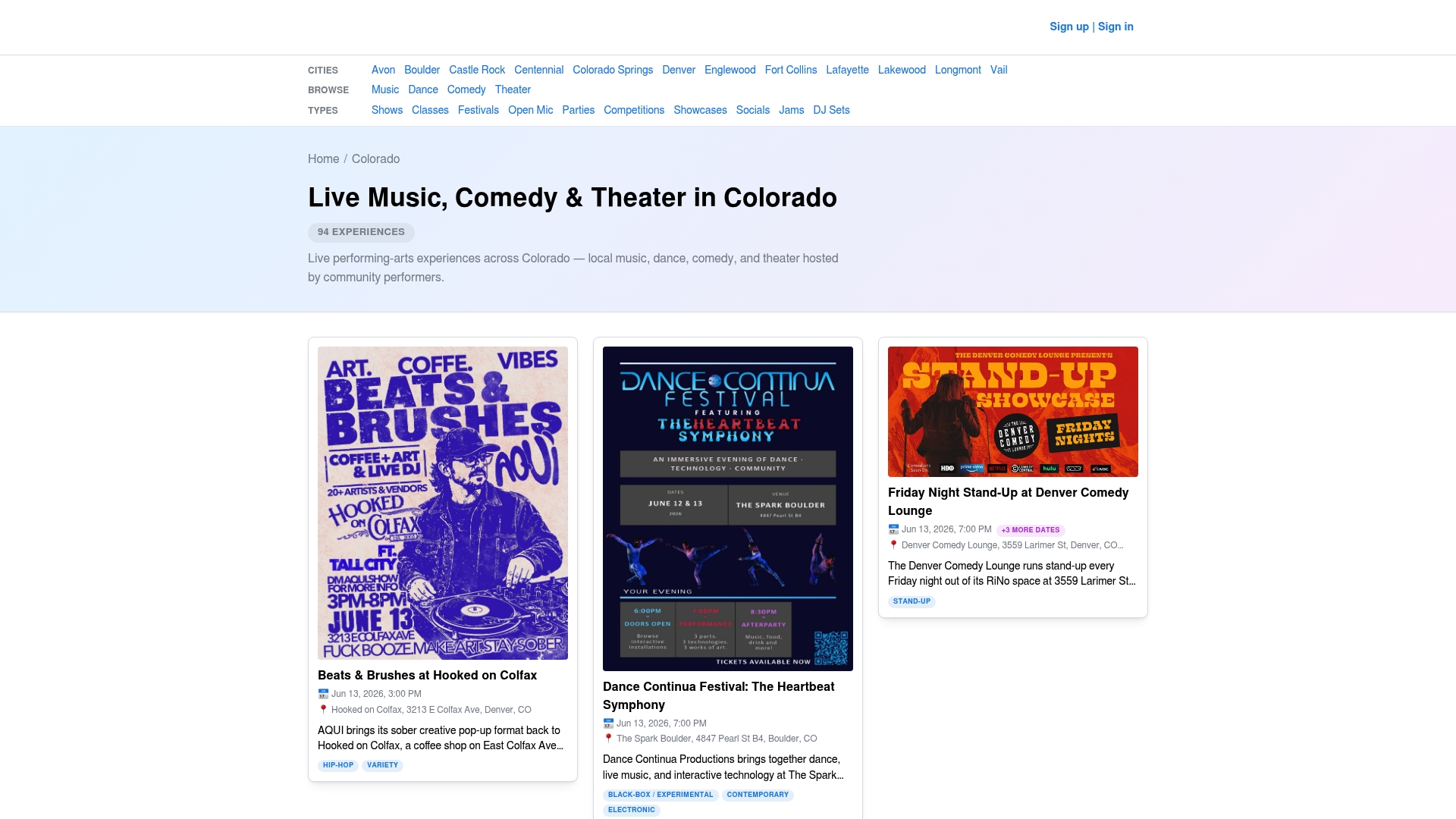
Whether you are looking for K-pop choreography at an artist-run venue or a community-friendly intro to movement, Experiencebylocals features events built for genuine participation, not just spectating. The platform highlights grassroots experiences that reflect the real cultural energy of the community. Browse local dance and live events in Colorado and find a workshop that fits your schedule, your style, and your starting point. Your first class is closer than you think.
FAQ
What should I wear to my first dance workshop?
Wear fitted, moisture-wicking clothing that lets your instructor see your alignment. Avoid baggy clothes, and confirm the required shoe style with your studio before attending.
How early should I arrive for a beginner dance class?
Arrive 10–15 minutes early to change shoes, warm up, and settle in mentally. Rushing in at the last second raises anxiety and cuts into your warm-up time.
Do I need a partner to attend a dance workshop?
Most workshops do not require you to bring a partner. Partner rotation is standard practice in group classes, which helps every participant build individual skill.
How long does it take to feel confident as a beginner dancer?
Most beginners feel confident after 4–6 weeks of consistent attendance. Adding short daily practice sessions at home speeds up that timeline noticeably.
What is the most common mistake beginners make at dance workshops?
Signing up for a class above your skill level is the most common beginner mistake. Always verify whether a workshop is labeled "beginner" or "absolute beginner" before registering.