
How to Find Inclusive Dance Spaces Near You
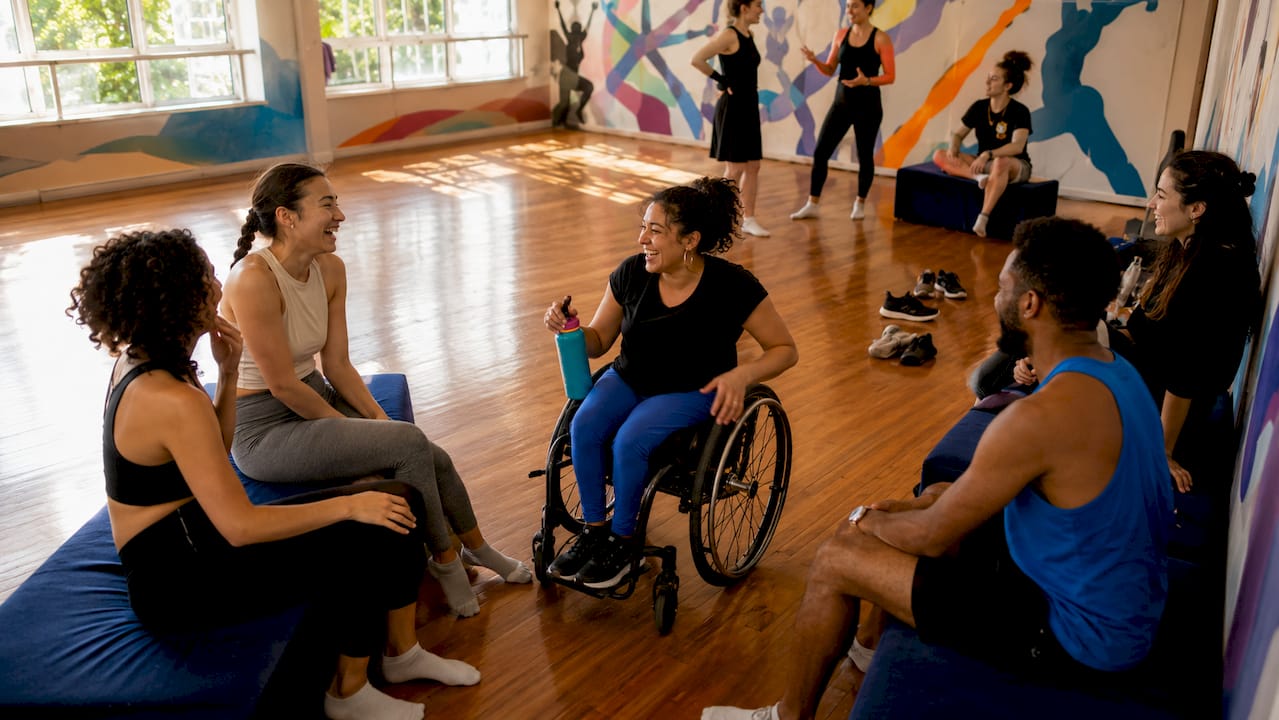
Inclusive dance spaces are studios and programs that welcome dancers of all abilities, ages, and backgrounds through accessible facilities and adaptive programming. Finding these spaces means more than locating a studio with open enrollment. It means connecting with a community that actively removes barriers, whether physical, sensory, or social. Programs like New Haven Ballet's Shared Ability, AXIS Dance Company, and Dance Connection's Building Connections show what genuine inclusion looks like in practice. This guide gives you the criteria, search tactics, and real examples you need to find inclusive dance spaces near you with confidence.
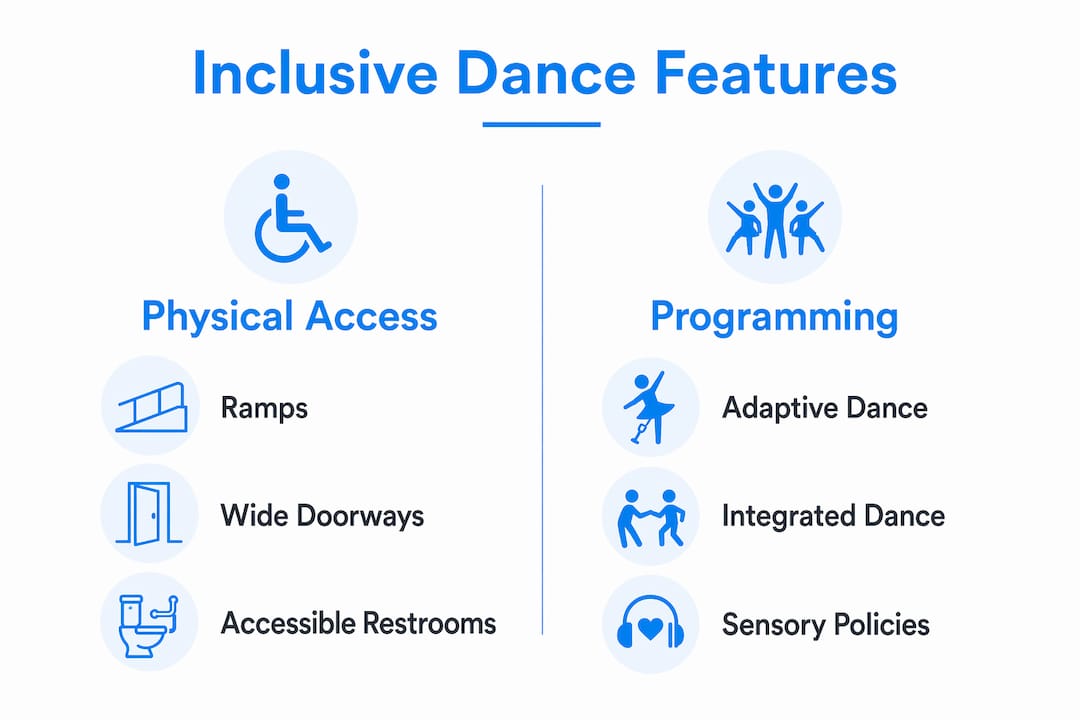
What features and programs define an inclusive dance space?
Two terms define the field: adaptive dance and integrated dance. Adaptive dance is designed specifically for dancers with physical or developmental differences, with modified movements and tailored instruction. Integrated dance places disabled and non-disabled dancers in the same class, building community through shared movement. Knowing which model a studio uses helps you match the right program to your needs.
Physical accessibility features to look for
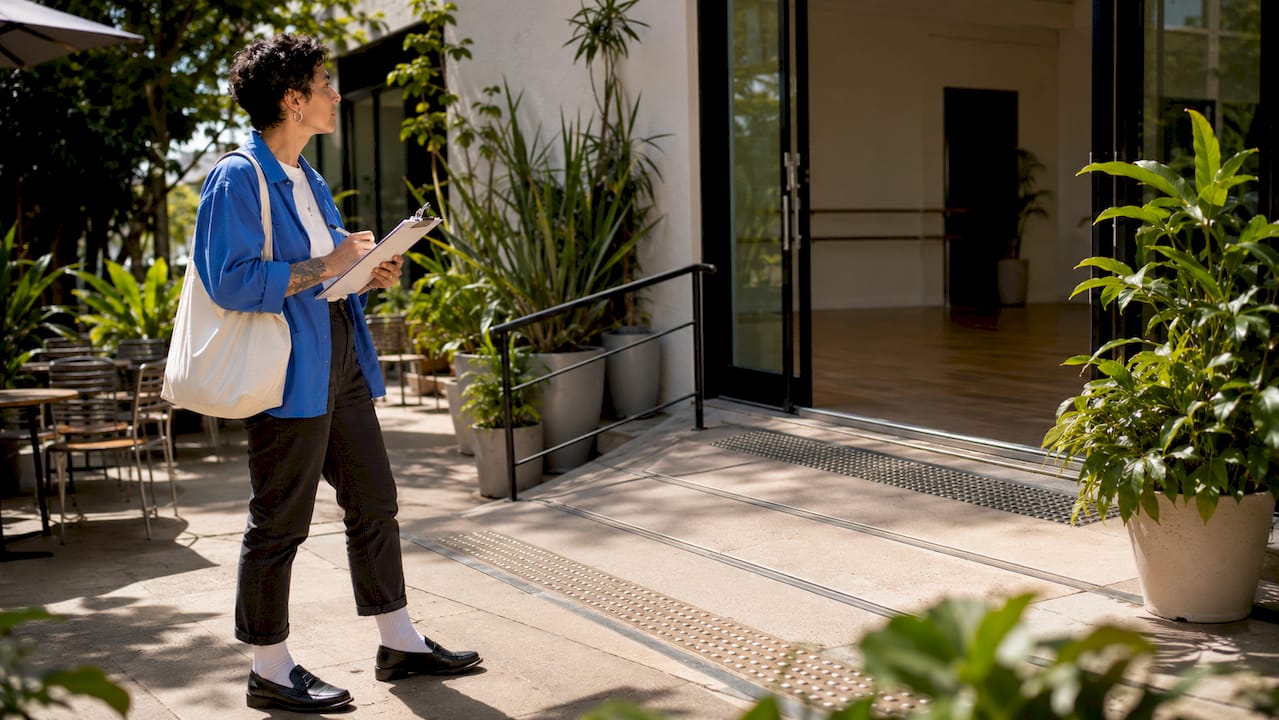
A truly accessible studio goes beyond a single ramp at the front door. Studios that label themselves "adaptive" or "all abilities" are more likely to have ADA-compliant features like ground-level access, wide doorways for mobility devices, and single-user restrooms with grab bars. That combination matters because a dancer using a wheelchair needs clear pathways from parking through the lobby and into the studio itself.
- ✅ ADA parking close to the entrance
- ✅ Smooth ramps and wide doorways (no narrow thresholds)
- ✅ Private, single-user accessible restrooms with grab bars
- ✅ Adjustable music volume and designated sensory break areas
- ✅ Lobby space wide enough for mobility devices and caregivers
Program types that signal genuine inclusion
Inclusive programming typically spans creative movement for younger learners, adaptive fitness for teens and adults, and integrated dance for mixed-ability groups. Many studios now offer virtual classes with closed captioning and ASL support, which extends access to dancers who cannot attend in person. A studio that offers both in-person and virtual formats is signaling a real commitment to removing barriers, not just checking a box.
Inclusive classes often run 30–45 minutes of active movement followed by 10–15 minutes of social time, and they welcome caregivers or support persons. That social time is not filler. It builds the peer connections that keep dancers coming back week after week.
Pro Tip: Ask any studio about its fragrance and sensory policies before you visit. Some studios require advance notice of about 10 days for visual or auditory accommodations like CART captioning or ASL interpretation. Knowing this upfront saves you a wasted trip.
How do you find and evaluate local inclusive dance studios?
Start your search with specific language. Searching "adaptive dance" or "all abilities dance class" plus your city returns more targeted results than searching "inclusive dance." Google Maps, local parks and recreation websites, and nonprofit arts directories all surface programs that general studio searches miss.
A step-by-step search process
- Search with the right terms. Use "adaptive dance," "integrated dance," or "dance for all abilities" alongside your city or zip code.
- Check the studio website for accessibility details. Look for explicit mentions of ADA compliance, sensory accommodations, and caregiver policies. Vague language like "welcoming environment" is not the same as listed physical features.
- Call or email before visiting. Ask directly about ramp access, restroom facilities, and class structure. A studio that cannot answer these questions clearly may not be the right fit.
- Request a pre-class consultation. Many inclusive studios offer a 1:1 conversation before the first class to tailor modifications and ease new student anxiety. This step is worth taking even if you feel confident going in.
- Take a trial class. Free or low-cost first classes are a common standard in inclusive studios. Use that class to assess the instructor's communication style, the physical space, and how the community treats newcomers.
What to look for when evaluating a studio
| Evaluation area | What to check |
|---|---|
| Physical access | Ramps, wide doorways, ADA parking, accessible restrooms |
| Program fit | Adaptive vs. integrated format, age group, skill level |
| Sensory accommodations | Fragrance policy, volume control, sensory break options |
| Support policies | Caregiver welcome, behavior flexibility, pre-class consultation |
| Cost and commitment | Monthly pricing, trial class availability, cancellation terms |
Monthly pricing for specialized inclusive studios typically ranges from free or low cost up to around $90 per month. That range reflects the variety of funding models, from nonprofit programs to private studios. Always ask whether financial assistance or sliding-scale pricing is available.
What challenges do inclusive studios help dancers overcome?
Anxiety is the most common barrier for new dancers entering an inclusive program. A new environment, unfamiliar movement expectations, and sensory stimulation can feel like too much at once. Pre-class 1:1 consultations address this directly by letting instructors learn about a dancer's specific sensory, behavioral, and mobility needs before the first session. That conversation turns a potentially stressful first day into a prepared one.
How studios support diverse needs
- Behavior flexibility: Good inclusive studios allow dancers to participate at their own pace, take breaks, and re-enter class without disruption.
- Sensory accommodations: Studios with explicit sensory and fragrance policies create safer environments for dancers with Multiple Chemical Sensitivities and sensory processing differences.
- Safety certifications: YPAD certification indicates a studio with age-appropriate music, movement, and costumes. It signals that the studio takes child safety and inclusive environments seriously.
- Caregiver integration: Welcoming support persons into class reduces anxiety for both the dancer and the family, and it builds trust between the studio and the community it serves.
Pro Tip: Tell the instructor about your specific needs before class, not during. A quick email or phone call covering sensory triggers, mobility considerations, or communication preferences gives the instructor time to prepare. That small step makes a real difference in how your first class goes.
What are some real examples of inclusive dance communities?
Real programs show what inclusion looks like beyond the brochure. These three examples represent different models, locations, and approaches.
Dance Connection's Building Connections program
Dance Connection's Building Connections is an adaptive dance program that combines structured movement with imaginative play. The physical space includes ADA parking, smooth ramps, wide lobbies, private ADA-compliant restrooms, and adjustable music volume. Classes allow sensory breaks and welcome caregivers. The program is designed for dancers who need a predictable, sensory-aware environment without sacrificing the joy of creative movement.
Jasmine's Beat® adaptive dance
Jasmine's Beat® offers inclusive dance classes across ages and abilities at multiple Texas locations. Monthly pricing runs approximately $65–$90, with first classes free. The program includes ASL hip-hop sessions, giving deaf and hard-of-hearing dancers a class built around their experience rather than adapted after the fact. Virtual participation options extend access beyond the studio walls.
New Haven Ballet's Shared Ability
New Haven Ballet's Shared Ability is a weekly, wheelchair-accessible class for children and young adults with disabilities. The program leads to a professional stage performance at the Shubert Theater in New Haven, Connecticut. That performance opportunity matters because it gives dancers a real goal, a community of peers, and a moment of public recognition that builds lasting confidence.
Each of these programs reflects a different approach to community dance. Together, they show that inclusive dance spaces exist across formats, budgets, and regions.
Key Takeaways
Inclusive dance spaces are defined by physical accessibility, adaptive programming, and community culture. Finding the right one requires specific search terms, direct questions, and a trial class before committing.
| Point | Details |
|---|---|
| Know the program type | Distinguish between adaptive dance and integrated dance to match the right format to your needs. |
| Check physical access | Look for ADA parking, wide doorways, accessible restrooms, and sensory accommodations before visiting. |
| Use a pre-class consultation | Request a 1:1 conversation with the instructor to share your specific needs and reduce first-class anxiety. |
| Take a trial class | Free or low-cost first classes let you assess community culture and instruction style without full commitment. |
| Verify sensory policies | Ask about fragrance policies and accommodation request timelines before your first visit. |
Why inclusive dance spaces matter more than most people realize
I have spent time around local arts communities, and the pattern I keep seeing is this: people assume inclusion means lowering the bar. It does not. The best inclusive dance programs I have come across, programs like AXIS Dance Company and New Haven Ballet's Shared Ability, produce performances that hold their own on professional stages. The inclusion is in the access, not in the expectations.
What surprises newcomers most is how much the social structure of these classes matters. The 10–15 minutes of social time at the end of a session is not an afterthought. It is where friendships form, where dancers feel seen outside of their movement, and where the community actually becomes a community. That is the part you cannot replicate in a general fitness class.
My honest encouragement is this: do not wait until you feel "ready." The studios worth your time are the ones that meet you where you are. Show up curious, ask your questions, and take the trial class. The right space will feel different from the first five minutes.
— DJ
Local arts events worth adding to your calendar
Inclusive dance is one piece of a larger local arts scene worth knowing about. Experiencebylocals connects you with authentic live performances hosted by local artists across Colorado, from K-pop choreography at artist-run spaces to community-driven comedy nights that reflect the real cultural life of the area.
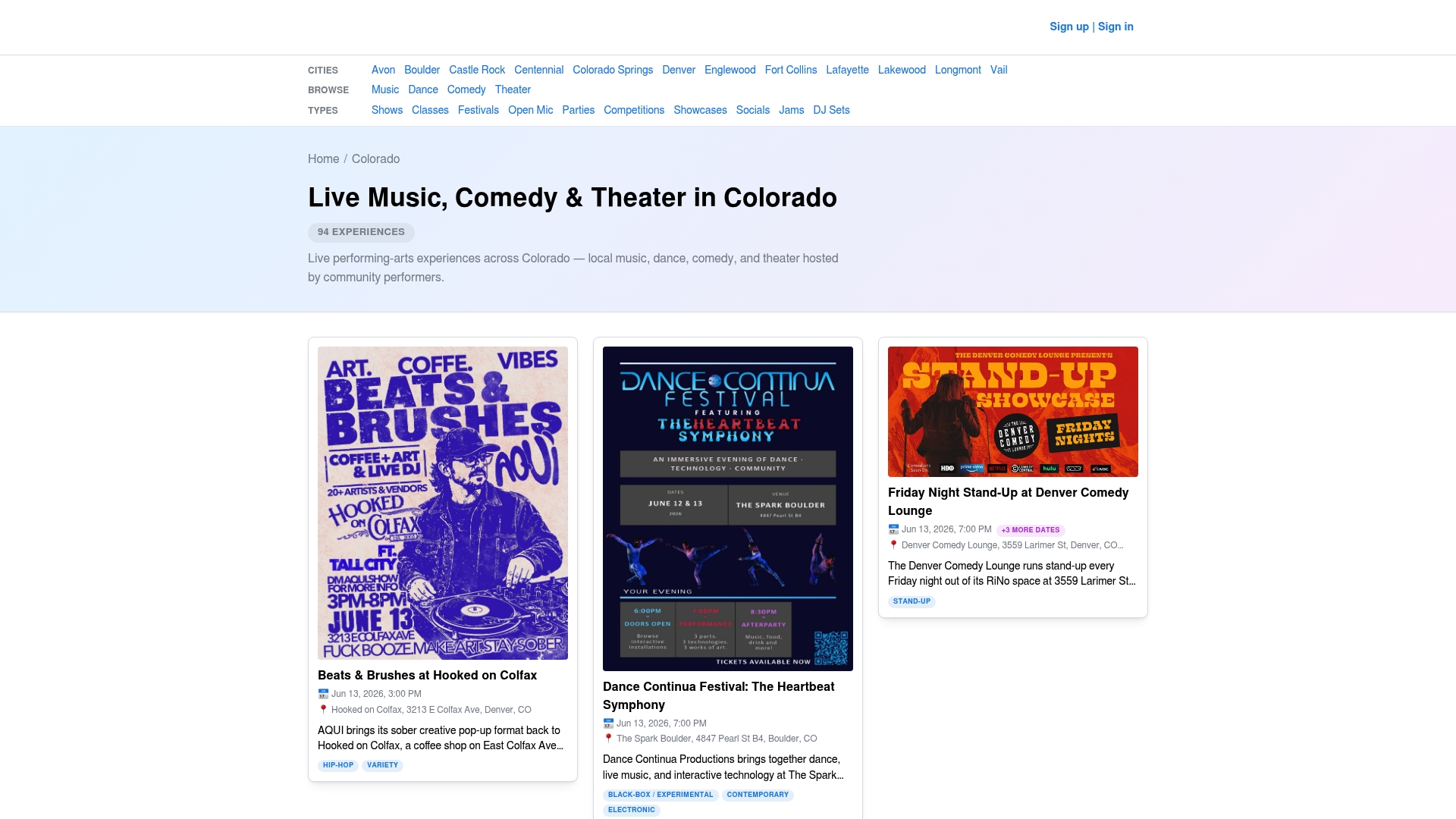
If you are searching for community arts events that go deeper than tourist-facing venues, Experiencebylocals is a good place to start. Browse local Colorado events to find live music, dance, theater, and more hosted by the people who actually live and create here. The platform is built for guests who want real connection with local art, not a packaged experience.
FAQ
What is the difference between adaptive and integrated dance?
Adaptive dance is designed specifically for dancers with physical or developmental differences, with modified instruction. Integrated dance places disabled and non-disabled dancers in the same class together.
How much do inclusive dance classes cost?
Monthly pricing for inclusive dance programs typically ranges from free or low cost up to approximately $90 per month, depending on the studio and program type. Many studios offer a free or heavily subsidized first class.
What should I ask a studio before enrolling?
Ask about physical accessibility features, sensory and fragrance policies, caregiver policies, and whether a pre-class consultation is available. These questions reveal whether a studio's inclusion is genuine or just marketing language.
Are virtual inclusive dance classes available?
Many inclusive studios offer virtual classes with closed captioning and ASL support. Programs like Jasmine's Beat® and AXIS Dance Company include virtual participation options alongside in-person sessions.
What is YPAD certification and why does it matter?
YPAD certification indicates a studio that meets standards for safe, age-appropriate music, movement, and costumes. It signals a commitment to child safety and inclusive, mindful environments.