
Prepare for Your First Community Dance Class
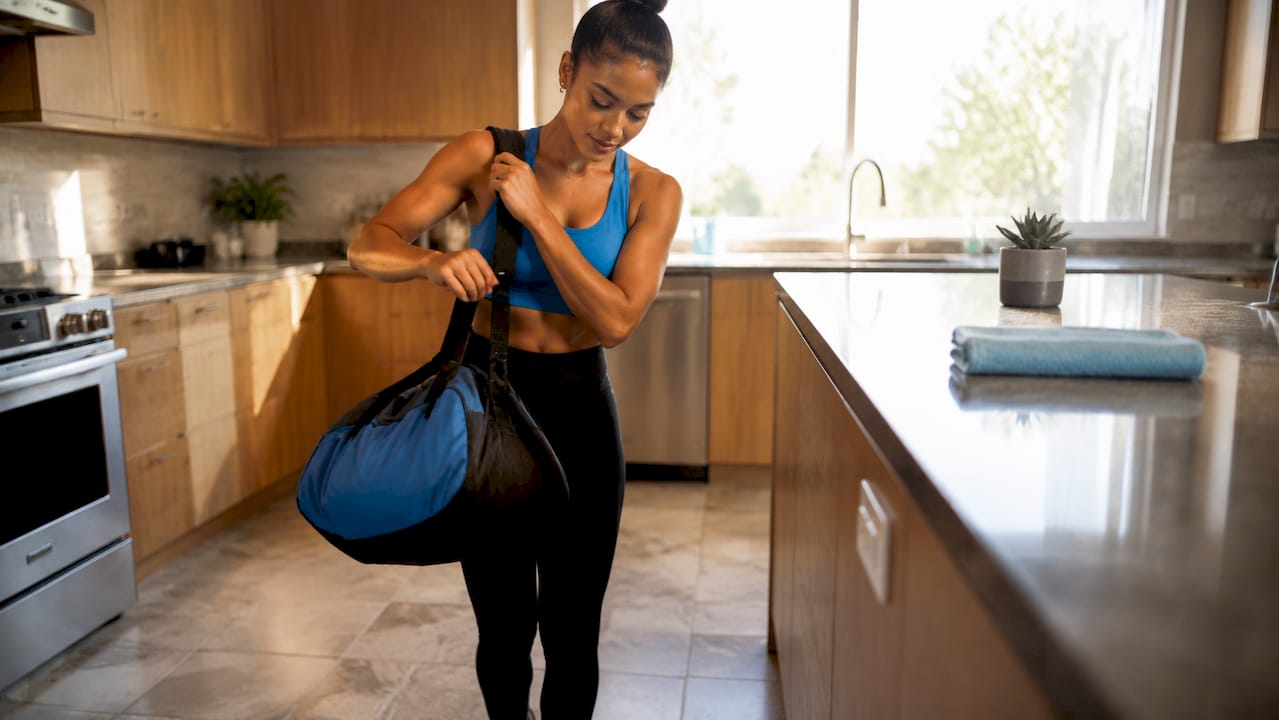
Preparation for your first community dance class means more than picking an outfit. It covers your mindset, your gear, your social game plan, and your understanding of how a beginner class actually runs. When you walk in knowing what to expect, you spend less energy on nerves and more on actually learning. This guide gives you the full picture, from what to pack to how to introduce yourself, so your first session feels like a welcome rather than a test.
How to prepare for your first community dance class
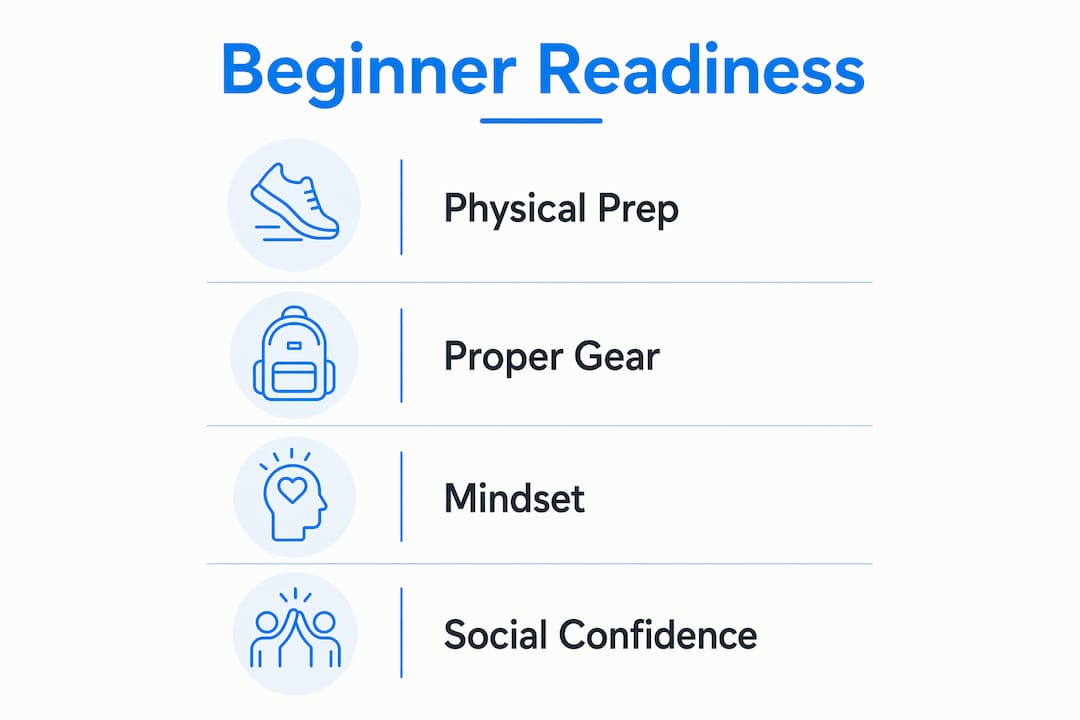
The standard term instructors use for this process is "beginner readiness," and it has four parts: physical preparation, attire, class structure awareness, and social confidence. Most first-timers focus only on what to wear and miss the other three. That gap is exactly why so many people leave their first class feeling overwhelmed rather than excited. Get all four right, and you give yourself a real shot at falling in love with dance.
The biggest misconception beginners carry is that they need to look the part before they show up. Instructors prioritize inclusivity and fun over skill level or appearance. You do not need to look like a dancer. You need to show up ready to try.
What to wear and bring to your first dance class
Clothing and footwear are the most practical part of first time dance class preparation, and they directly affect your safety and comfort.
Clothing that works for you
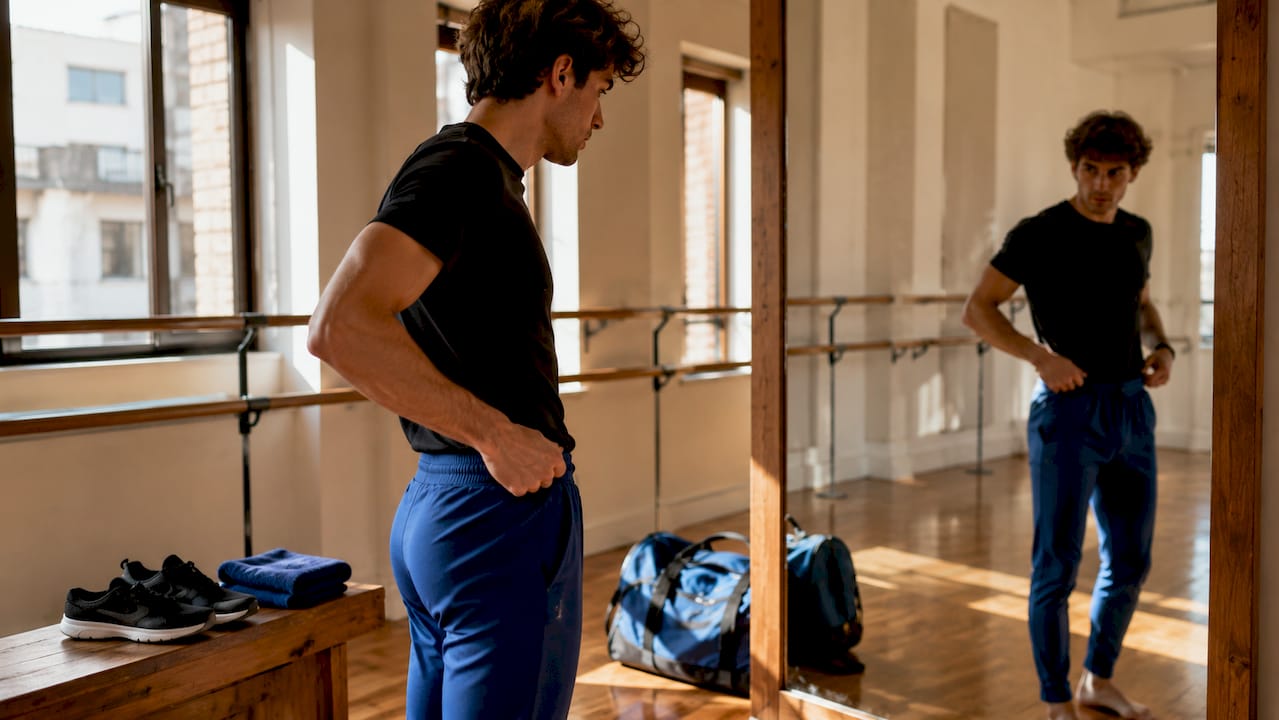
Wear breathable, fitted clothing that moves with your body. Loose, baggy clothes can catch on your arms or your partner's hands during group exercises. Fitted leggings, athletic pants, or a comfortable T-shirt all work well. Avoid stiff jeans or anything with a rigid waistband that limits your hip movement.
For style inspiration on what works in active social settings, resources like Coveti's fashion guide offer useful ideas on pairing comfort with confidence for evenings out.
Footwear: the detail that matters most
Flat-soled shoes are the standard recommendation for beginner dance classes. Indoor-only footwear is often required to protect studio floors. This is not a formality. Outdoor soles carry grit and moisture that damage sprung wood floors and create slip hazards for everyone.
Pro Tip: Avoid high-cushion running sneakers like Nike React or Adidas Ultraboost. Their thick, grippy soles increase knee strain risk during pivots and turns. Flat-soled sneakers like Converse or Vans are safer and far easier to spin in.
Dance class essentials checklist ✅
Pack these before you leave home:
- ✅ Water bottle (you will sweat more than you expect)
- ✅ Small towel for quick breaks between sets
- ✅ Hair ties if your hair is long enough to obstruct your vision
- ✅ A bag to store your outdoor shoes once you change
- ✅ Light snack if the class runs longer than 60 minutes
- ✅ Socks as a backup if the studio requires removing shoes for certain exercises
What does a typical beginner dance class look like?
A typical beginner class includes a 5–10 minute warm-up, a slow step introduction, and guided practice in a supportive environment focused on building confidence. Knowing this structure in advance removes most of the anxiety around the unknown.
Here is what you can expect, step by step:
- Warm-up (5–10 minutes). The instructor leads light cardio and stretching to prepare your joints and get your heart rate up. This is not a fitness test. It is a transition ritual that signals your body it is time to move.
- Step introduction. The instructor breaks down one or two foundational moves at a slow pace. They will demonstrate, then walk the class through it together. Repetition is the entire point here.
- Guided practice. You repeat the steps with music, usually at a reduced tempo first. The instructor circulates and offers individual feedback. This feedback is encouraging, not critical.
- Partner or group rotation. Many community classes rotate partners so everyone practices with different people. Partner rotation can feel intimidating at first. Focus on your breathing and the repetition of the steps rather than impressing your partner.
- Cool-down and Q&A. Most instructors close with a short stretch and open the floor for questions. This is the best time to ask about anything that confused you during class.
The instructor's role is to create a non-judgmental space. Dance instructors prioritize a positive experience over technical perfection. If you make a mistake, so does everyone else. That is the design of a beginner class.
How to set goals and mentally prepare for class
The right mindset is the most underrated part of beginner dance class advice. Most people walk in hoping not to embarrass themselves. That is the wrong goal. Walk in hoping to learn one thing.
Embrace the beginner mindset
Learning to dance is about celebrating small progress like rhythm and basic steps, not perfection. When you catch a beat correctly for the first time, that is a win worth recognizing. Perfectionism in a beginner class is not a motivator. It is a brake.
Set goals that are specific and small:
- "I want to feel the difference between a step and a shift in weight."
- "I want to remember the first two counts of the basic step."
- "I want to introduce myself to one person before class ends."
These goals are achievable in a single session. They build momentum without pressure.
Build a simple practice habit
Attending 1–2 classes weekly and practicing 5–10 minutes daily builds muscle memory and coordination over 3–6 months. That daily practice does not need a studio. You can run through a basic step in your kitchen while waiting for coffee. Short and consistent beats long and sporadic every time.
Pro Tip: Record yourself on your phone during home practice. You do not need to watch it critically. Just watching your own movement once a week builds body awareness faster than any mirror.
Manage frustration before it manages you
Frustration in a beginner class is normal and temporary. It signals that your brain is processing new motor patterns. When you feel it rising, slow down, breathe, and reduce the movement to its smallest component. You are not behind. You are exactly where every beginner has ever been.
How to build confidence and connect with the dance community
Social confidence is a real part of how to prepare for dance class, and it is rarely discussed. Community dance classes are social environments. The people who thrive fastest are not always the best dancers. They are the ones who show up consistently and engage genuinely.
Arrive early and settle in
Arriving 10–15 minutes early gives you time to acclimate, do a light warm-up, and mentally shift into dance mode. It also gives you a chance to meet the instructor before the room fills up. That one conversation removes the anonymity that makes group settings feel intimidating.
A light early warm-up matters physically too. Hamstring and calf stretches plus a few minutes of light movement prepare your body and reduce the chance of pulling something in the first five minutes of class.
Simple social gestures that actually work
Small social acts like greeting teachers, complimenting classmates, and showing up consistently speed up community integration. You do not need to be outgoing. You need to be present and kind.
Try these when introducing yourself at dance class:
- Greet the instructor by name when you arrive.
- Smile at the person next to you before class starts.
- After a partner rotation, say "that was fun" or "thanks for the practice."
- Stay for five minutes after class to chat rather than rushing out.
None of these require confidence you do not yet have. They build it.
Persistence is the real secret
"The dance communities that feel most closed to outsiders open up fastest to people who simply keep showing up." — Dance Flavor
Consistent attendance combined with short, focused daily practice accelerates both skill mastery and community belonging. After three or four classes, faces become familiar. After six, you are part of the group. The timeline is shorter than most beginners expect.
Key takeaways
Preparing for your first community dance class means combining the right gear, realistic goals, and small social habits to build confidence from your very first session.
| Point | Details |
|---|---|
| Wear flat-soled shoes | Converse or Vans protect your knees and make pivots safer than cushioned running shoes. |
| Know the class structure | Expect a warm-up, step introduction, guided practice, and partner rotation in most beginner sessions. |
| Set small, specific goals | Aim to learn one step or meet one person per class rather than mastering the full routine. |
| Arrive 10–15 minutes early | Early arrival reduces nerves, allows light stretching, and gives you time to meet the instructor. |
| Show up consistently | Attending 1–2 classes weekly plus 5–10 minutes of daily practice builds skill and community belonging within months. |
What i've learned from watching beginners walk through that door
I have seen hundreds of first-timers walk into a community dance class. The ones who struggle most are not the ones with two left feet. They are the ones who came in expecting to be judged and spent the whole class managing that fear instead of dancing.
The truth is, nobody in that room is watching you the way you think they are. Everyone is counting beats in their head and hoping they do not miss their cue. That shared vulnerability is actually what makes community dance classes so magnetic once you let yourself feel it.
What I tell every beginner is this: your only job in the first class is to stay curious. Not to get it right. Not to impress anyone. Just to stay curious about what comes next. That mindset shift changes everything. The steps become interesting rather than threatening. The partner rotation becomes a chance to connect rather than a moment to survive.
Preparation matters, and this guide gives you the practical tools. But the real preparation happens in the thirty seconds before you walk through the door, when you decide to be open rather than armored. That decision is the one that determines whether you come back for a second class.
— DJ
Discover live dance and music events near you
Ready to take your dance interest beyond the studio? Experiencebylocals connects you with authentic live music, dance, comedy, and theater events hosted by local artists across Colorado. Whether you are looking for a K-pop choreography night at an artist-run venue or a community-driven performance that reflects real local culture, the platform puts those experiences right in front of you.
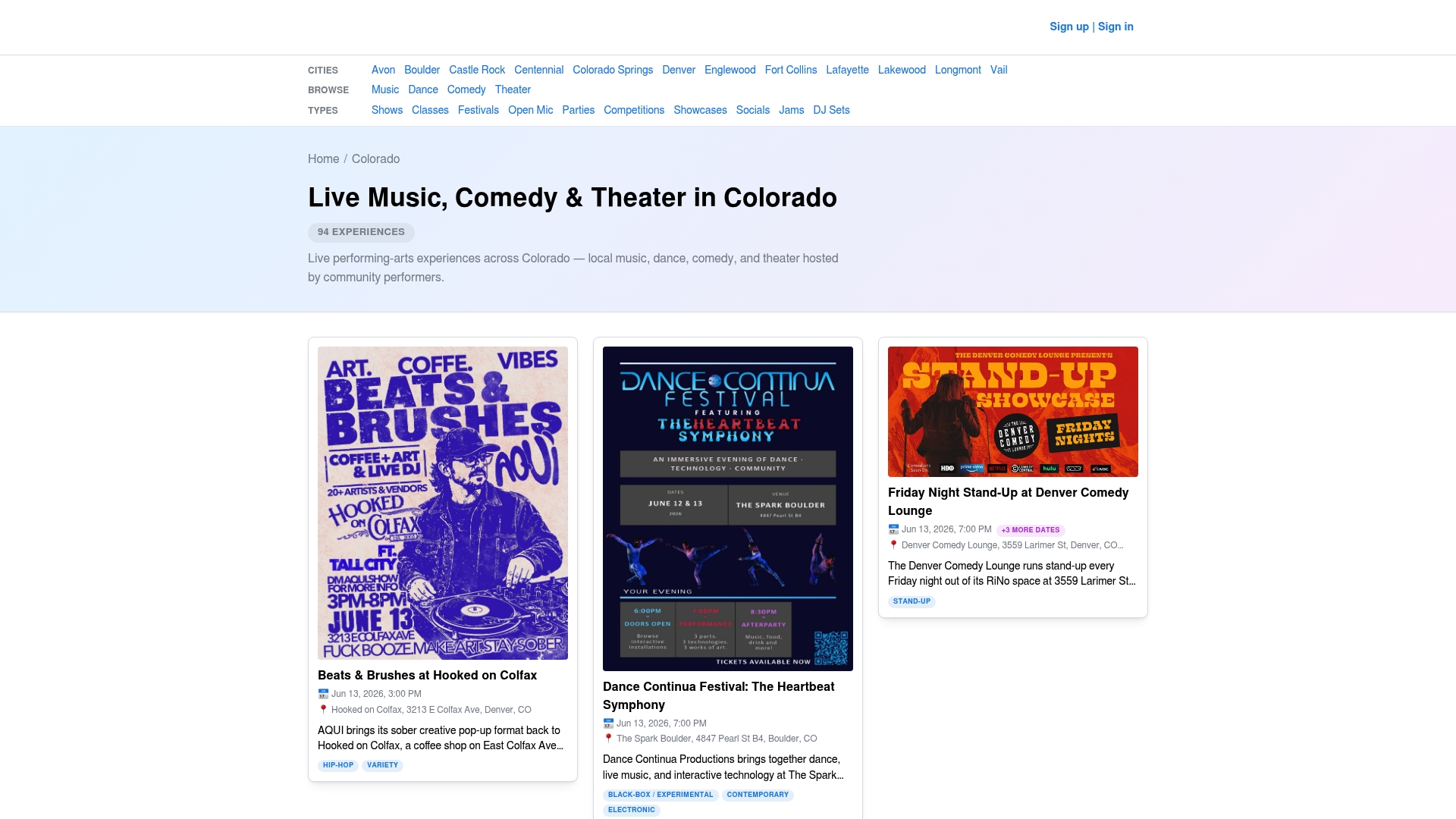
These are not tourist-facing shows. They are grassroots events built by and for people who genuinely love the art form. Exploring live events in Colorado through Experiencebylocals is one of the best ways to extend what you are learning in class into a fuller community experience. Find your next event and keep the momentum going.
FAQ
What should i wear to my first community dance class?
Wear breathable, fitted clothing that allows free movement, and choose flat-soled indoor shoes like Converse or Vans. Avoid high-cushion running sneakers, which increase knee strain risk during turns and lateral steps.
How early should i arrive for my first dance class?
Arrive 10–15 minutes before class starts. That window gives you time to change shoes, do a light warm-up, and introduce yourself to the instructor before the session begins.
What if i have never danced before?
Beginner community dance classes are designed for people with zero experience. Instructors break steps down slowly and repeat them multiple times in a non-judgmental environment focused on fun and progress over perfection.
How long does it take to feel comfortable in a dance class?
Most beginners feel noticeably more comfortable after 3–4 consistent classes. Attending 1–2 sessions weekly and practicing 5–10 minutes daily accelerates that timeline significantly.
Is partner rotation required in community dance classes?
Partner rotation is common in group dance classes and is designed to help everyone practice with different people. Focus on the steps and your breathing rather than impressing your partner, and the rotation quickly becomes one of the most enjoyable parts of class.