
The Role of Local Dance Communities in Growth
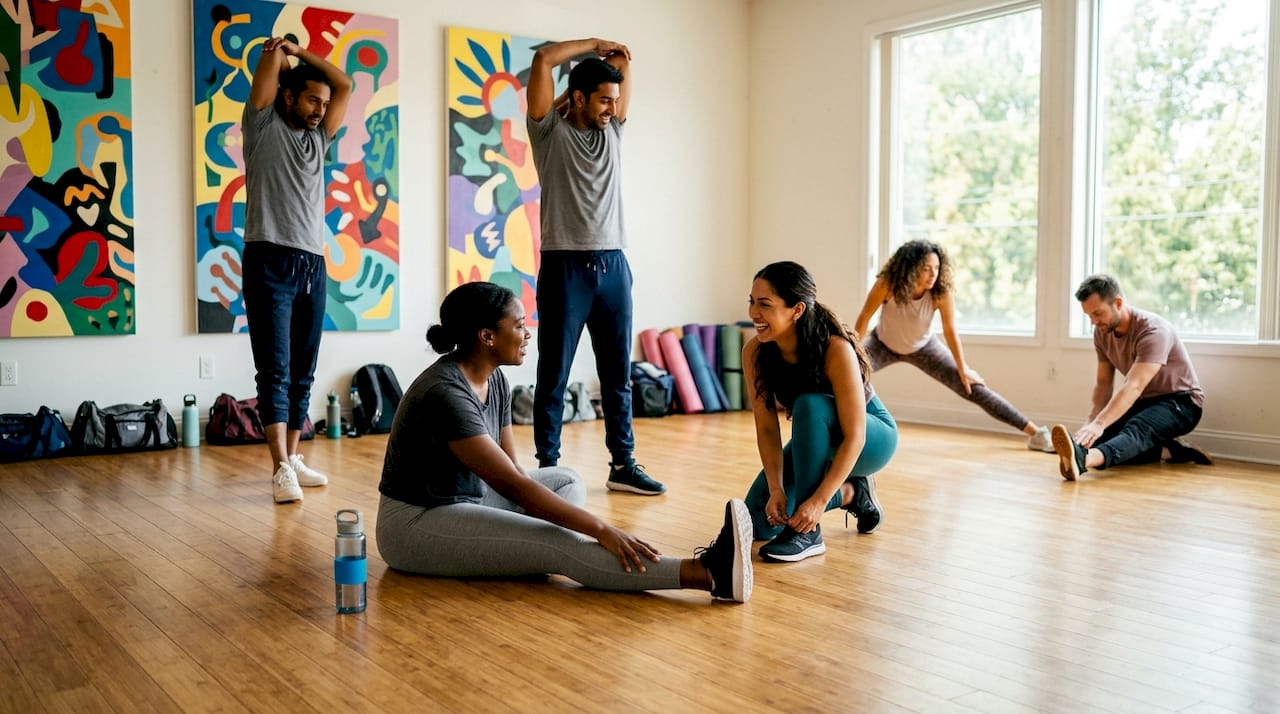
Local dance communities are defined as grassroots groups that use shared movement to build cultural identity, social belonging, and economic vitality in their regions. The role of local dance communities in growth goes far beyond performance. These groups serve as living infrastructure, connecting neighbors, preserving heritage, supporting local businesses, and developing the next generation of artists and leaders. Whether you are watching a K-pop choreography showcase at an artist-run sanctuary or joining a line dance event in a downtown parking lot, you are witnessing community development in motion.
How do local dance communities build social connections and well-being?
Local dance communities produce measurable social-emotional benefits that most people do not associate with a dance class. Psychological research confirms that dance improves emotion regulation and body appreciation through two distinct pathways: expressive improvisation and structured movement cues. Community participation amplifies both effects by increasing the likelihood that people stick with the practice long enough to feel the results.
The social benefits are equally concrete. A 10-week adapted dance program for adults with disabilities produced new peer relationships and social belonging among participants. A VR-based group dance study showed stronger social belonging gains among older women compared to light exercise alone. These findings confirm that the format matters less than the shared experience of moving together.
Dance communities also reduce social isolation in ways that gyms and fitness classes rarely achieve. The combination of music, physical coordination, and group synchrony creates a sense of connection that is hard to replicate elsewhere. People who feel seen and welcomed in a dance space return consistently, and that consistency is what builds real community.
Key benefits of dance communities for individual well-being include:
- Emotion regulation: Regular dance practice gives participants a physical outlet for stress and anxiety.
- Body appreciation: Movement-focused cues shift attention from appearance to capability.
- Peer relationships: Structured programs create natural opportunities for connection, especially for isolated groups.
- Health adherence: Community belonging keeps people showing up when solo motivation fades.
Pro Tip: Prioritize grassroots participation over performance polish. Communities where beginners feel welcome from day one build stronger retention than those that gatekeep based on skill level.
How do dance communities preserve culture and create mentorship pipelines?
Local dance groups are among the most effective guardians of ethnic and traditional heritage. Styles like West African drumming and dance, Mexican folklórico, and Bharatanatyam survive in American cities primarily because local communities organize classes, performances, and festivals that pass these forms to younger generations. Without that local infrastructure, these traditions exist only in archives.
The mentorship dynamic inside established dance organizations is particularly striking. At the San Francisco Presidio Performing Arts Foundation, 55% of staff are former students. That figure represents more than a hiring preference. It is a self-sustaining cycle where the community produces its own leadership, reduces dependence on outside funding for talent, and keeps institutional knowledge alive across generations.
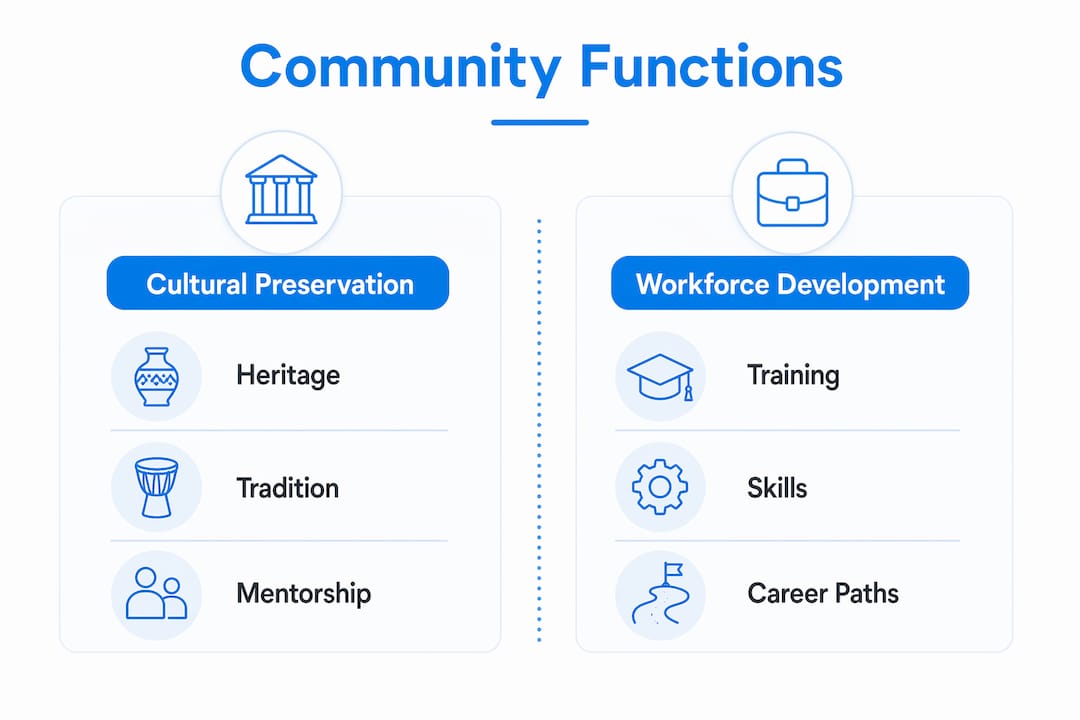
The table below shows how cultural preservation and workforce development operate as parallel functions within the same dance community.
| Function | Cultural preservation | Workforce development |
|---|---|---|
| Primary goal | Maintain traditional forms and heritage | Build skills and career pathways |
| Key mechanism | Intergenerational teaching and performance | Mentorship from former students to new ones |
| Community benefit | Shared identity and pride | Local employment and leadership |
| Long-term outcome | Living tradition passed to next generation | Self-sustaining organizational model |
Multi-generational involvement is the engine behind both columns. When a 60-year-old master teacher works alongside a 22-year-old former student who now leads beginner classes, the community gains depth that no single program or grant can manufacture. That depth is what makes local dance groups resilient over decades, not just seasons.
What economic and public health impacts do local dance events generate?
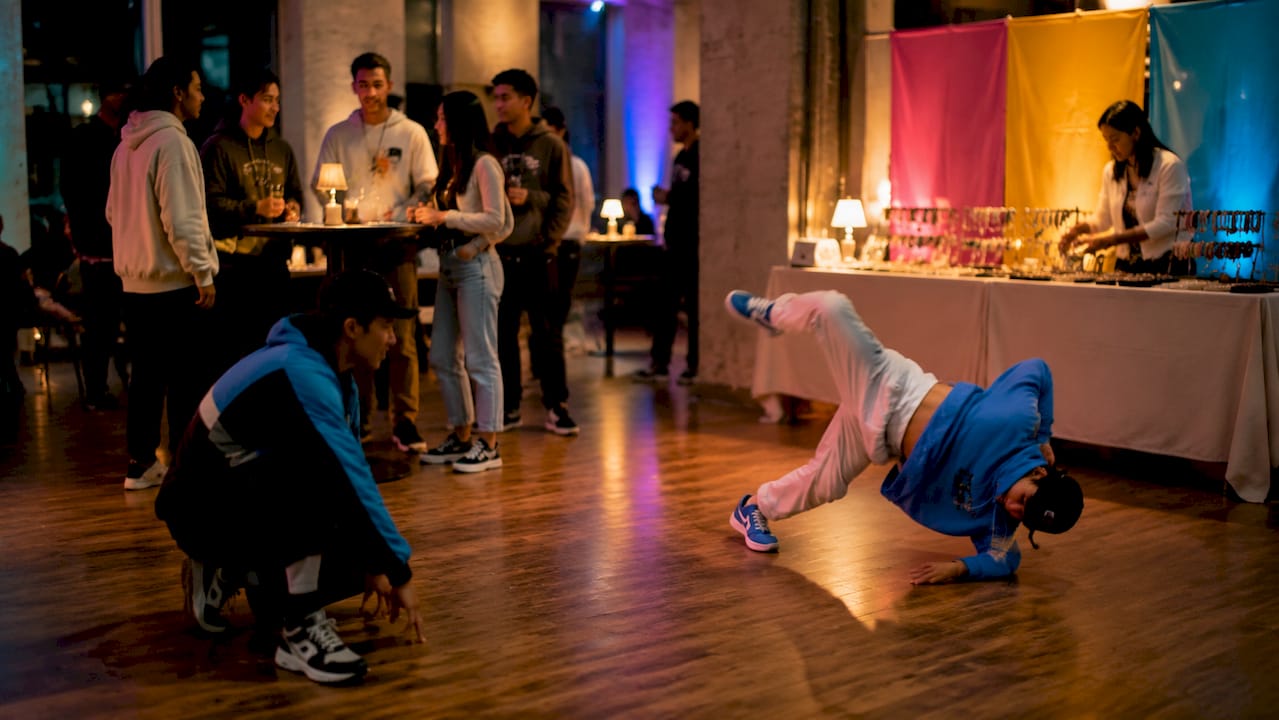
Local dance events create direct economic activity that is easy to underestimate. Backyard Boots & Beats events, for example, encourage participants to move 10–15 miles per evening while simultaneously generating demand for local venues, photographers, food vendors, and apparel businesses. That combination of health output and economic stimulus in a single evening is rare among community activities.
Dance studios produce an even more consistent economic effect. Ballet Fantastique in Eugene, Oregon attracts over 250 students weekly, filling multiple downtown blocks with foot traffic that supports neighboring businesses and reinforces community safety. That weekly rhythm creates what urban planners call a "third space," a location that is neither home nor work but anchors daily life and normalizes street activity.
The public health case is equally strong. Dance events that average 10–15 miles of movement per participant exceed the physical activity output of most gym visits. The social motivation built into group dance means participants push harder and stay longer than they would exercising alone.
Local dance events generate economic and health value through several interconnected channels:
- Venue partnerships: Dance events fill restaurants, bars, and event spaces on off-peak nights.
- Vendor ecosystems: Photographers, costume designers, and music producers all benefit from active local dance scenes.
- Foot traffic: Studios with consistent weekly schedules create predictable pedestrian activity that revitalizes downtown corridors.
- Physical activity: Group dance events regularly exceed standard exercise benchmarks for cardiovascular output.
Pro Tip: Make your events accessible to first-timers by offering free beginner sessions or drop-in nights. Lower barriers to entry translate directly into higher attendance and broader economic reach for your partner businesses.
What community philosophies shape the long-term success of local dance groups?
The most durable local dance communities share one defining philosophy: they prioritize shared belonging over expert performance. Practitioners consistently emphasize that accessibility is the critical variable separating communities that thrive for decades from those that burn out after a few years. When a group becomes too focused on showcasing its best dancers, beginners feel excluded and stop returning. The community shrinks inward until it collapses.
The contrast between performance-first and belonging-first models shows up in retention, volunteer energy, and organizational health. Performance-first groups often produce impressive showcases but struggle to replace members who age out or move on. Belonging-first groups build a self-maintaining ecosystem where new members arrive through word of mouth, take on informal leadership roles, and eventually mentor the next wave.
Four habits that define sustainable local dance communities:
- Welcome beginners publicly. Announce beginner nights, celebrate first-timers at events, and make the learning curve visible and normal.
- Invest in informal social infrastructure. Small interpersonal habits like group messaging threads, shared meals after practice, and casual coffee meetups retain members more effectively than polished performances or marketing campaigns.
- Distribute leadership early. Give newer members real responsibilities before they feel fully qualified. Ownership creates loyalty.
- Resist insularity. Communities that only socialize internally stop growing. Regular collaboration with other local arts groups, schools, and neighborhood organizations keeps the culture open and attractive to outsiders.
The invisible infrastructure of a dance community, the group chats, the post-practice hangouts, the inside jokes, does more for retention than any choreography or social media strategy. This is the part that most outside observers miss entirely. You cannot see it in a performance, but you feel it the moment you walk into a healthy community for the first time.
Key Takeaways
Local dance communities drive regional growth by combining social belonging, cultural preservation, economic activity, and mentorship into a single, self-reinforcing ecosystem.
| Point | Details |
|---|---|
| Social-emotional benefits | Dance programs improve emotion regulation, body appreciation, and peer relationships, especially for isolated groups. |
| Cultural preservation | Local groups sustain ethnic and traditional dance forms across generations through direct teaching and performance. |
| Economic impact | Dance studios and events generate consistent foot traffic, vendor partnerships, and local employment. |
| Mentorship pipelines | Organizations like the Presidio Performing Arts Foundation show that 55% of staff can come from former students. |
| Belonging over performance | Communities that welcome beginners and invest in informal social habits outlast performance-focused groups by decades. |
What I have learned watching dance communities grow and shrink
I have spent years watching local arts communities thrive and fade, and the pattern is almost always the same. The groups that survive are not the ones with the best dancers or the biggest budgets. They are the ones where a newcomer walks in on a Tuesday night and feels genuinely welcome by the time they leave.
The commercialization pressure on local dance is real. Venues want sellout shows. Social media rewards polished content. Funders gravitate toward measurable outcomes like ticket sales and enrollment numbers. All of that pulls communities toward performance and away from participation. The communities that resist that pull, the ones that keep a beginner night on the calendar even when it is not profitable, are the ones still standing ten years later.
What surprises most people is how little it takes to build something lasting. A shared playlist, a standing post-practice dinner spot, a group chat where someone posts a funny video at midnight. These are not marketing tactics. They are the actual connective tissue of a community. The community dance model built on respect and valuing difference is not idealistic. It is the most practical approach to long-term growth that exists in the arts.
The dance communities I respect most treat their space like a garden, not a stage. They tend to the soil, welcome new growth, and trust that the flowers will come in their own time.
— DJ
Discover local dance and arts experiences near you
If reading this has made you want to find or support a local dance community, the best first step is showing up to a live event. Experiencebylocals connects guests with authentic live music, dance, comedy, and theater experiences hosted by local artists across Colorado. These are not tourist-facing productions. They are the real thing, grassroots performances that reflect the cultural heartbeat of the communities that create them.
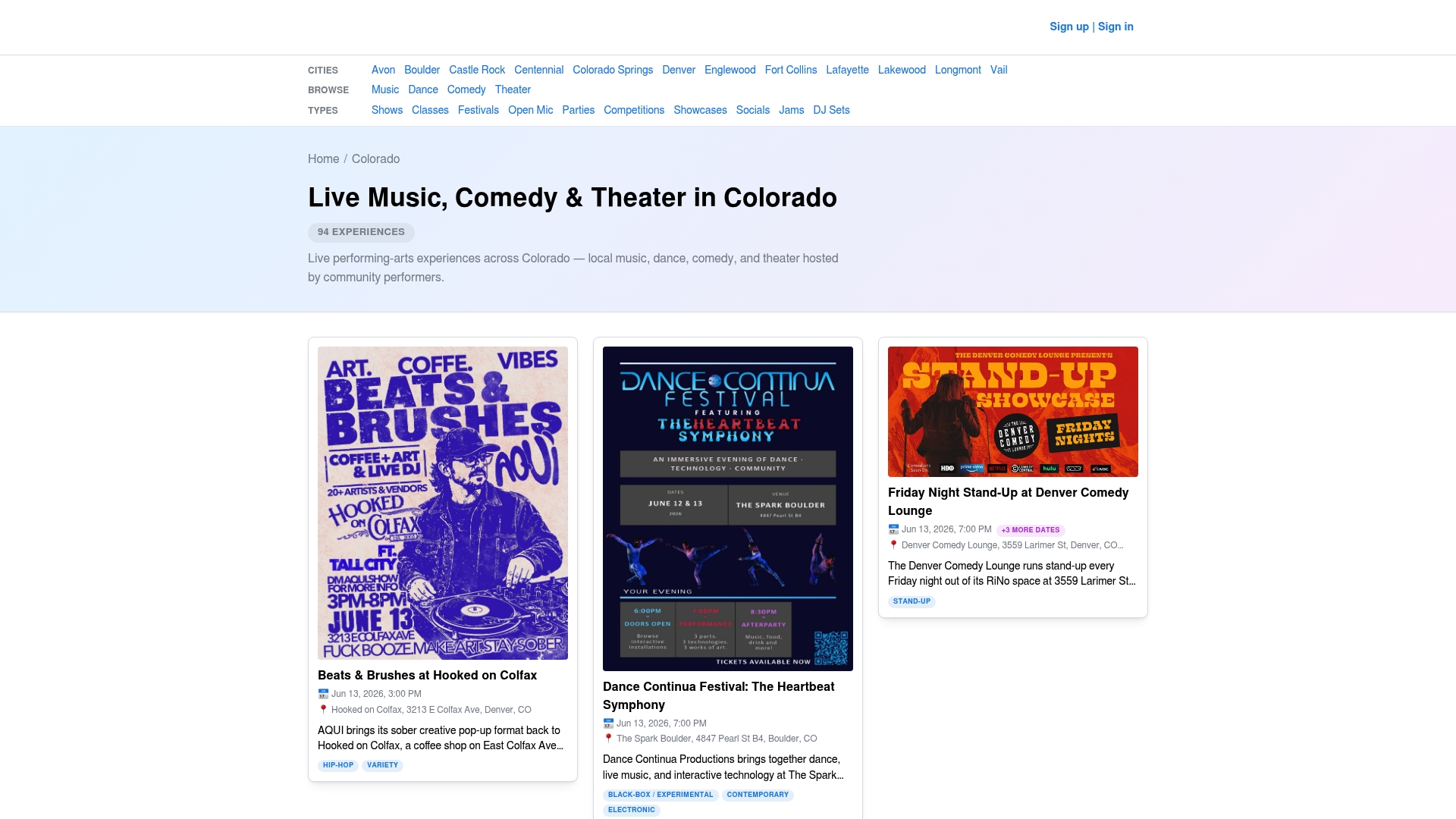
Whether you are a first-timer curious about K-pop choreography or a longtime supporter of local arts, Experiencebylocals makes it easy to find your people. Explore live local arts in Colorado and discover the communities that are already doing the work described in this article. Your attendance is not just entertainment. It is direct support for the artists and organizers who keep these spaces alive.
FAQ
What is the role of local dance communities in growth?
Local dance communities drive growth by building social belonging, preserving cultural heritage, generating local economic activity, and creating mentorship pipelines. Their impact spans individual well-being, neighborhood vitality, and regional cultural identity.
How do dance communities benefit youth development?
Dance programs give young people structured environments for emotional expression, peer connection, and skill building. Organizations like the San Francisco Presidio Performing Arts Foundation demonstrate that youth participants often return as staff and mentors, creating lasting career pathways.
What makes a local dance community sustainable long-term?
Sustainability comes from prioritizing inclusivity and informal social habits over performance excellence. Communities that welcome beginners, distribute leadership, and invest in everyday social connection retain members and grow organically without depending on large budgets or institutional support.
How do local dance events support the local economy?
Dance events generate direct revenue for venues, photographers, food vendors, and apparel businesses. Studios like Ballet Fantastique in Eugene attract over 250 students weekly, creating consistent foot traffic that revitalizes downtown business districts.
Can dance communities reduce social isolation?
Yes. Research on adapted dance programs shows that structured group dance produces new peer relationships and measurable gains in social belonging, particularly among older adults and people with disabilities.