
Types of Dance Styles at Community Events: 2026 Guide
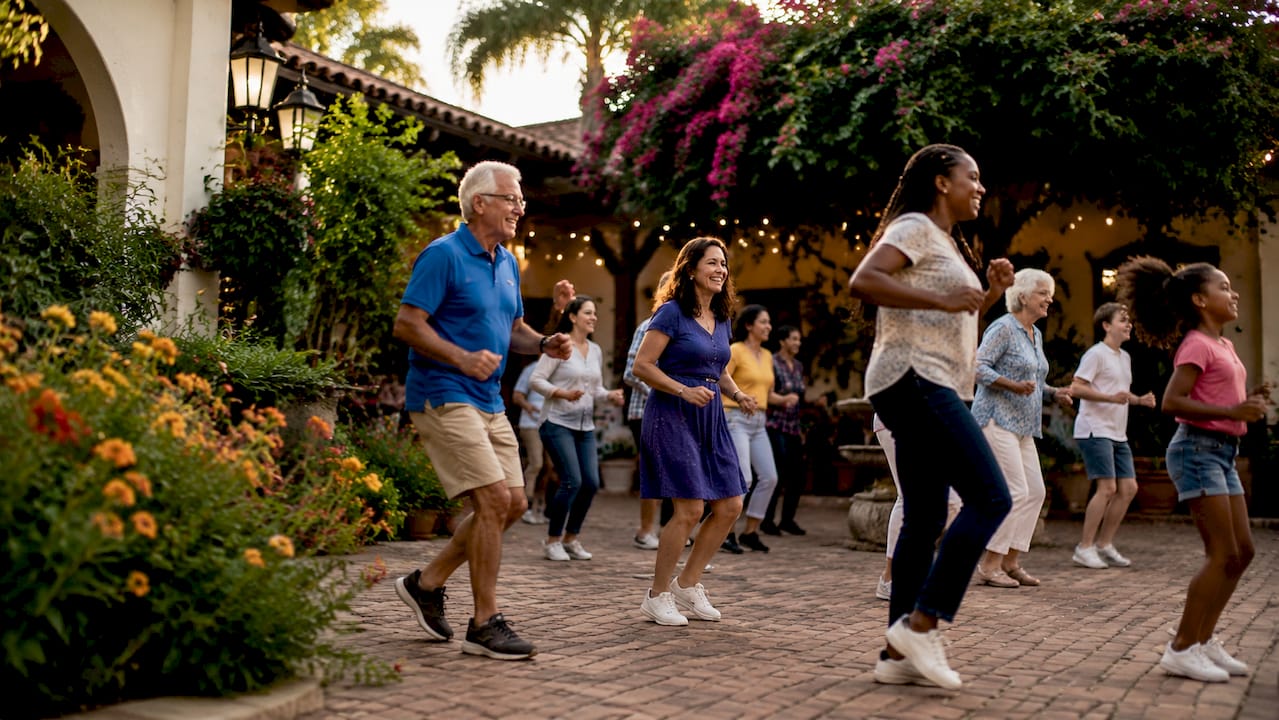
Community dance events are defined by participatory social and traditional dances chosen to build connection, celebrate culture, and create shared joy. The types of dance styles at community events range from salsa and bachata to square dancing, contra, Bollywood, and line dancing. Each style carries a distinct cultural origin and social purpose, whether that is ritual, celebration, or identity affirmation. What unites them all is accessibility. You do not need formal training to join. You need curiosity, comfortable shoes, and a willingness to move with others.
1. Which types of dance styles are most popular at community events?
The most common social dance forms at community gatherings fall into six well-recognized categories. These styles are organized by their social purpose: celebration, ritual, socialization, and identity affirmation. That framing matters because it explains why these particular dances keep showing up at neighborhood festivals, cultural fairs, and local gatherings year after year.
- Salsa originates from Cuban and Puerto Rican musical traditions. It is a partner dance built on an eight-count rhythm and is widely recognized as one of the most popular dance styles at social gatherings worldwide.
- Bachata comes from the Dominican Republic and features a slower, more intimate rhythm than salsa. Its gentle footwork makes it approachable for first-time dancers.
- Square dancing is a traditional American folk dance with roots in European country dances. Callers guide participants through formations, which means no memorization is required.
- Contra dancing is a close cousin of square dancing, using long lines of partners rather than squares. It is especially common at folk festivals and community halls in the Northeast and Pacific Northwest.
- Bollywood dance draws from Indian film choreography and classical Indian dance forms. It is high-energy, expressive, and frequently featured at South Asian cultural festivals and multicultural community fairs.
- Line dancing requires no partner, which makes it one of the most accessible dance styles for gatherings of all sizes. Participants follow a set sequence of steps in unison, creating an immediate sense of group belonging.
Pro Tip: If you are attending a community dance event for the first time, watch one full song from the sideline before joining. You will pick up the basic rhythm and feel far more confident stepping in.
2. How community dance events structure participation and instruction
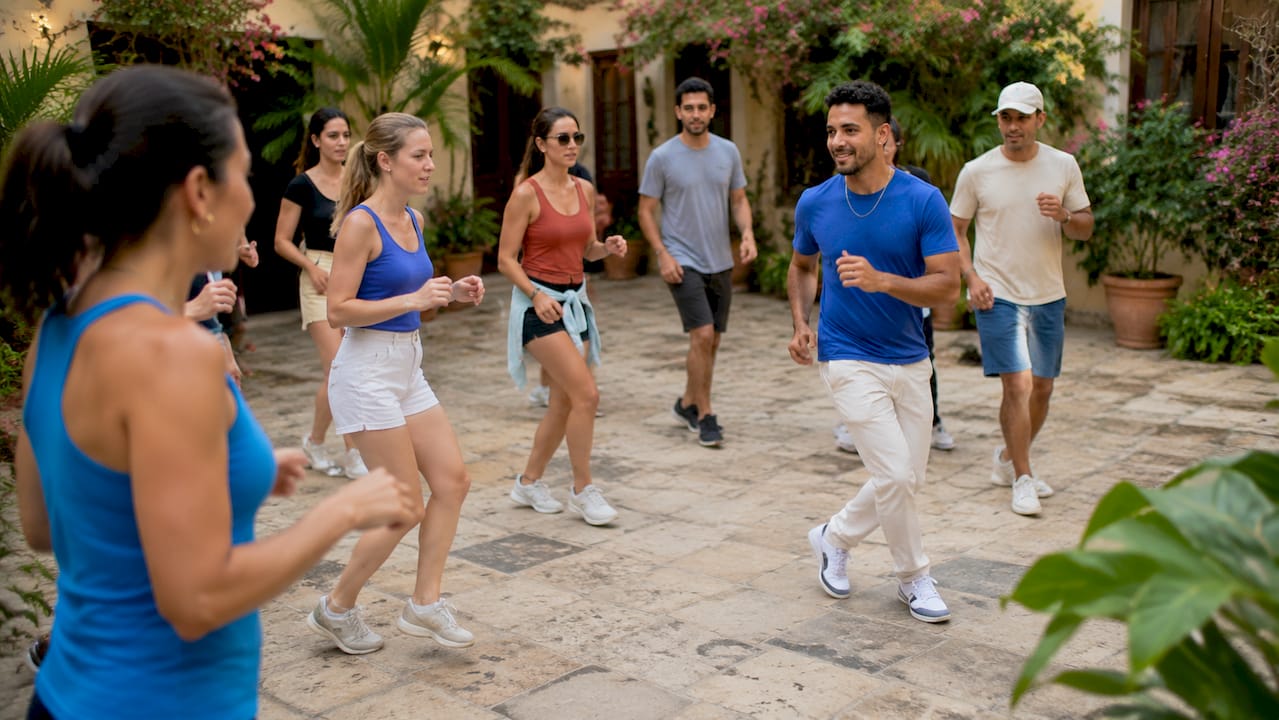
Most community dance events follow a format designed to welcome beginners without alienating experienced dancers. Workshops typically run 60–90 minutes before transitioning into open social dancing with live music or a DJ. That structure gives newcomers a foundation and gives experienced dancers a warm-up.
Here is how a typical event unfolds:
- Doors open and registration — Many events use pre-registration to manage capacity and encourage community bonding before the night begins.
- Beginner workshop — A lead instructor breaks down the foundational steps of the featured style. Instruction is kept simple and repetitive so participants build confidence quickly.
- Intermediate or style-specific session — Some events offer a second workshop for guests who want to go deeper into technique or learn a variation.
- Open social dancing — The floor opens to everyone. Live bands or DJs provide the music. This is where the real community magic happens.
- Potluck or food break — Many events encourage participants to bring potluck dishes or chairs, turning the dance into a full social gathering rather than just a performance.
- Closing circle or group number — Some events end with a group dance that brings everyone together one final time.
Inclusive facilitation is a defining feature of well-run community dance events. Organizers use gender-neutral role descriptions (like "lead" and "follow" rather than "man" and "woman") and create LGBTQ+ affirming environments. That approach makes the space genuinely welcoming for everyone.
Pro Tip: Arrive 15 minutes before the workshop starts. You will get a better spot on the floor, meet the organizers, and feel oriented before the music begins.
3. What social and cultural benefits do community dance styles provide?
Community dance is not just entertainment. It is a tool for social cohesion, cultural preservation, and personal wellbeing. Community dance experts confirm that prior technical training is not required. The focus is on connection and joy, not performance quality. That distinction separates community dance from concert dance or competitive formats.
Cultural dance festivals function as living archives. These festivals serve as "living libraries" that preserve traditions through participatory workshops and performances. They integrate education and celebration in a single event, which means attendees leave knowing more about a culture than when they arrived.
"Dance festivals play a vital role in preserving and evolving cultural traditions through active participation and performance." — The Cultural Review
The social benefits extend beyond cultural learning. Dancing with strangers builds trust quickly. Shared rhythm creates a physical form of empathy. Intergenerational events, where grandparents and grandchildren dance the same steps, reinforce family bonds and community identity in ways that few other activities can match.
Family-friendly scheduling is a deliberate strategy at many events. Early sessions cater to families with young children before later adult-focused programming begins. That structure ensures the event serves the whole community, not just one age group.
4. How can community members best engage with dance styles at local events?
Showing up is the hardest part. Once you are on the floor, the community carries you. Community dance prioritizes participation over technical skill, welcoming all body types and experience levels. The focus is on shared tempo and collective joy rather than perfection.
Here is what helps you get the most out of any community dance event:
- Wear comfortable, flexible shoes. Sneakers work for most styles. For salsa or bachata, a shoe with a smooth sole helps you pivot without catching on the floor.
- Dress in layers. Dance floors get warm. A light jacket you can remove keeps you comfortable from the workshop through the open dancing.
- Focus on the beat, not the steps. In every social dance style, staying on rhythm matters more than executing every move correctly. Your partner or the group will guide you.
- Say yes to invitations. Community dance culture is built on asking and accepting. Declining a dance invitation is fine, but accepting one, even when you feel unsure, almost always leads to a great experience.
- Stay open to cultural learning. Bollywood dance, for example, uses hand gestures called mudras that carry specific meanings. Asking an instructor about the cultural context deepens your appreciation of the style.
- Bring a friend, but be ready to dance with strangers. Most community dance events rotate partners intentionally. That rotation is what builds the broader sense of community rather than just a night out with your own group.
The best community dancers are not the most technically skilled. They are the most generous with their attention, their patience, and their smiles.
Key takeaways
Community dance events succeed because they prioritize participation, cultural authenticity, and inclusive design over technical performance, making them accessible and meaningful for everyone.
| Point | Details |
|---|---|
| Six core dance styles dominate | Salsa, bachata, square dancing, contra, Bollywood, and line dancing appear most often at community gatherings. |
| Structure supports beginners | Workshops run 60–90 minutes before open dancing, giving newcomers a foundation before the floor opens. |
| Inclusivity is by design | Gender-neutral instruction and LGBTQ+ affirming environments are standard at well-run events. |
| Cultural value is real | Dance festivals act as living libraries, preserving traditions through active participation rather than passive observation. |
| Preparation makes a difference | Comfortable shoes, arriving early, and focusing on rhythm rather than steps dramatically improve the first-time experience. |
Why community dance changed how I see local culture
I used to think community dance events were for people who already knew how to dance. I was wrong, and that assumption kept me on the sidelines longer than it should have.
The first time I walked into a contra dance at a local community hall, I expected to feel out of place. Instead, within three minutes, a caller was walking everyone through the same basic moves, and within ten, I was laughing with a stranger while we fumbled through a do-si-do. Nobody cared that I was new. The whole point was that I showed up.
What struck me most was the intergenerational mix. A teenager in sneakers was dancing next to a woman who looked to be in her seventies. They were both doing the same steps, both grinning. That image stuck with me because you almost never see that kind of cross-generational ease in everyday life.
Bollywood nights at multicultural festivals gave me a different kind of lesson. The hand gestures, the storytelling through movement, the way the music shifted energy in the room. I realized I had been consuming South Asian culture through food and film for years without ever understanding how it felt to move inside it. One workshop changed that.
Community dance is one of the few spaces where cultural exchange is physical rather than just intellectual. You are not reading about a tradition. You are inside it, even imperfectly, and that imperfection is exactly the point.
— DJ
Live dance events worth experiencing in Colorado
Colorado has a genuinely rich local arts scene, and Experiencebylocals makes it easy to find the real thing. Whether you are looking for a salsa night with a live band, a Bollywood workshop at an artist-run venue, or a community gathering that mixes dance, music, and theater, the platform connects you directly with grassroots creators who know their craft.
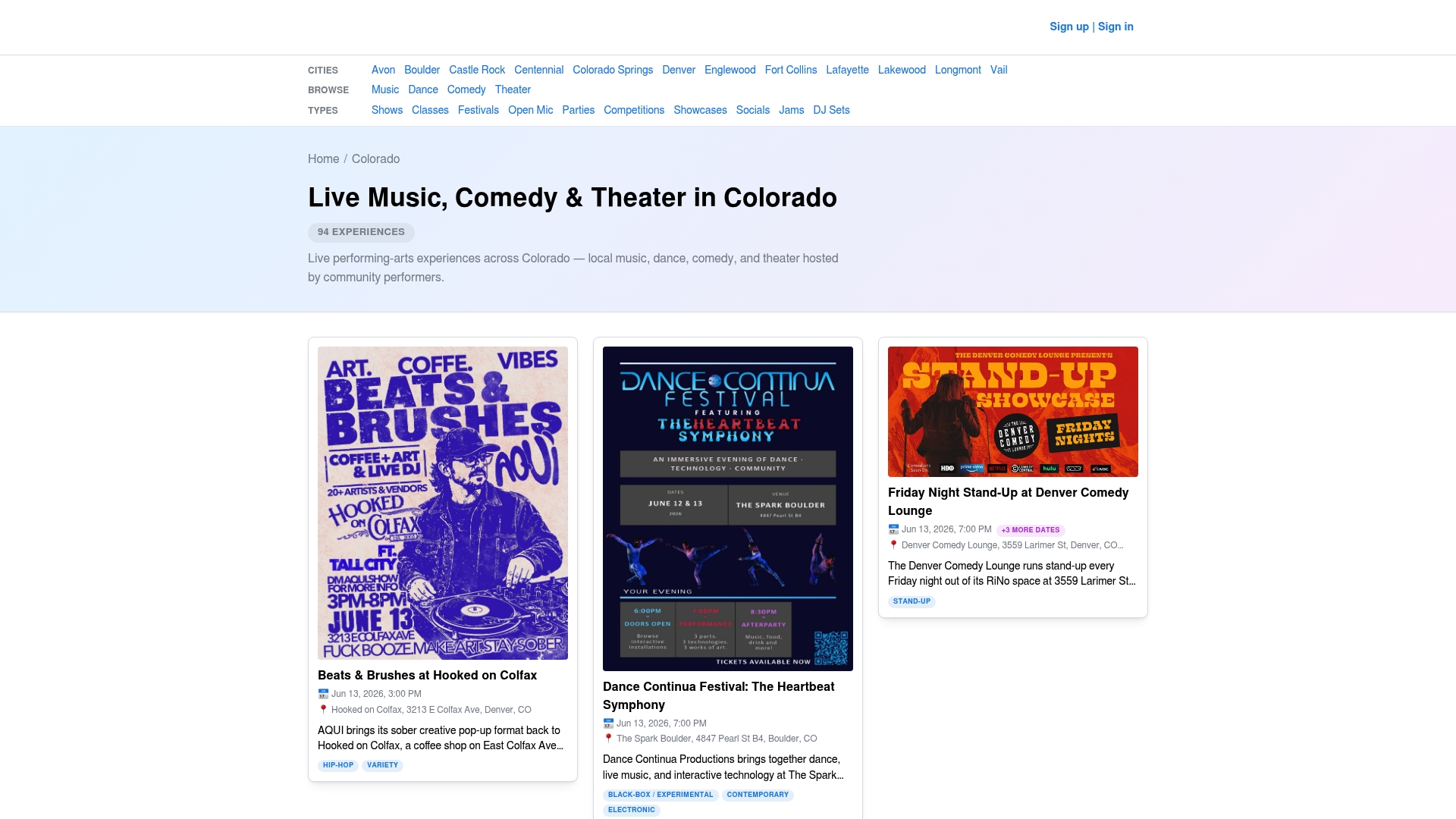
Experiencebylocals curates local dance and music events across Colorado, spotlighting performers and organizers who reflect the actual cultural heartbeat of their communities. These are not tourist-facing productions. They are the kind of events where the instructor also runs the sound system and stays after to answer your questions. If you want to find your next community dance experience, browse upcoming events and see what is happening near you.
FAQ
What are the most common dance styles at community events?
Salsa, bachata, square dancing, contra, Bollywood, and line dancing are the most frequently featured styles. Each is chosen for its accessibility and social purpose.
Do I need dance experience to attend a community dance event?
No prior experience is needed. Community dance focuses on participation over technical skill, and most events begin with a beginner-friendly workshop before open dancing starts.
How long do community dance events typically last?
Most events run 4–6 hours, combining a 60–90 minute instructional workshop with extended open social dancing, food, and community time.
Are community dance events family-friendly?
Yes. Many events include early family-friendly sessions for children and intergenerational programming before transitioning to adult-focused dancing later in the evening.
How much do community dance events cost?
Workshops typically cost around $15–$30 per person, and many events offer low-cost or free admission for open dancing portions. Prices vary by organizer and location.