
What Local Promoters Do for Artists: A Musician's Guide
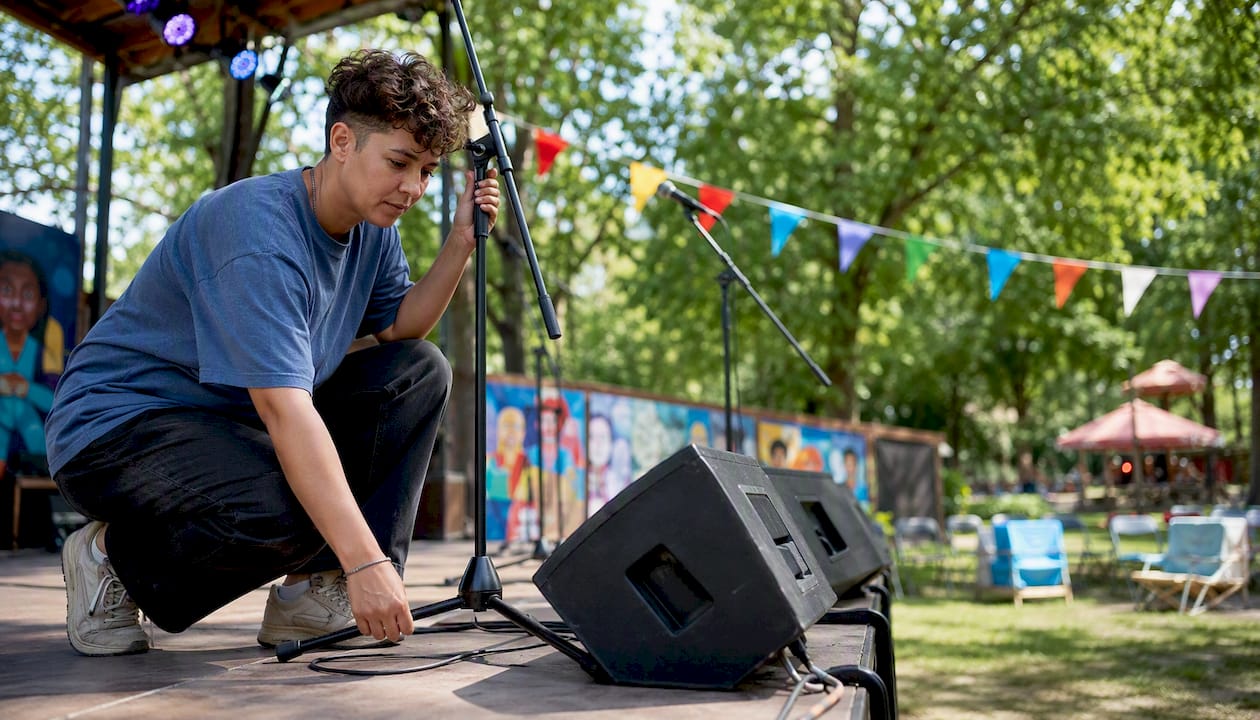
A local promoter connects your music to paying audiences by handling venue booking, production, marketing, ticketing, and finances so you can focus on performing. According to the PRS Foundation's early career toolkit, promoters also bring something less obvious: their own brand trust, which means audiences will show up for a well-regarded promoter's event even when they've never heard of you. That's a real head start for any emerging artist.
Before you reach out to a promoter, get these three things ready:
- ✅ A one-sheet press kit (bio, photo, links, recent live video)
- ✅ A screenshot from Spotify for Artists showing your monthly listeners and geographic breakdown
- ✅ An audience analytics report from Artist that confirms where your listeners are concentrated
That geographic data is what moves a promoter from curious to confident.
Key Takeaways
Local promoters are strategic partners who front capital, manage logistics, and connect your music to paying audiences — your job is to show up with the data and professionalism that makes booking you a confident decision.
| Point | Details |
|---|---|
| Prepare audience data first | Bring a Spotify for Artists geographic screenshot and an artist.tools report before pitching any promoter. |
| Match promoter type to your goal | Use venue-tied promoters for residencies, independents for single shows, and digital promoters for streaming growth. |
| Understand the 80/20 split | Small-show door splits often favor the artist at 80/20, but always confirm recoupment terms in writing before signing. |
| Vet before you sign | Ask for artist references, verify past ticketing history, and review every contract clause — including liability and cancellation terms. |
| Experiencebylocals adds local reach | List your Colorado shows on Experiencebylocals to add a discovery channel alongside your promoter's existing network. |
Table of Contents
- What is the role of local promoters for artists?
- Which type of promoter should you work with?
- How do promoters decide whether to book you?
- How do promoter payment models work?
- How to find, vet, and negotiate with local promoters
- Your 8–12 week partnership checklist
- Why promoters are partners, not gatekeepers
- Experiencebylocals helps your shows get found in Colorado
- Sources
What is the role of local promoters for artists?
The role of local promoters for artists goes well beyond putting up flyers. A promoter is the operational engine behind a show, and understanding what they actually manage helps you appreciate both the value they add and the risk they carry.
Core responsibilities a promoter handles:
- 🎯 Lineup curation — selecting and sequencing acts to build a compelling bill
- 🎯 Venue booking and negotiation — securing the room, negotiating the contract, and managing the relationship with the venue
- 🎯 Production — PA, sound, lighting, and stage setup
- 🎯 Logistics — security, catering, and rider fulfillment, all of which carry real liability and complexity
- 🎯 Marketing and ticketing — social ads, email lists, press outreach, and box office management
- 🎯 Finance — fronting deposits, tracking costs, and calculating the profit-and-loss before a single ticket sells
That last point matters most. A promoter functions like a short-term investor: they commit real money to venue deposits and marketing budgets before knowing whether the show will break even. According to artist.tools, that decision is driven by a profit-and-loss calculation that weighs your digital footprint against fixed event costs. No audience proof, no booking.
What you should expect as deliverables from a promoter:
- A written marketing plan with budget and timeline
- Ticketing reports showing presale velocity and final sales
- A post-show revenue breakdown with all recouped costs itemized
- Clear communication on load-in, soundcheck, and set times
Pro Tip: Share a geo-filtered Spotify for Artists screenshot alongside an artist.tools analytics report when you first pitch a promoter. Showing a listener concentration in their city answers their biggest question before they even ask it.
Which type of promoter should you work with?
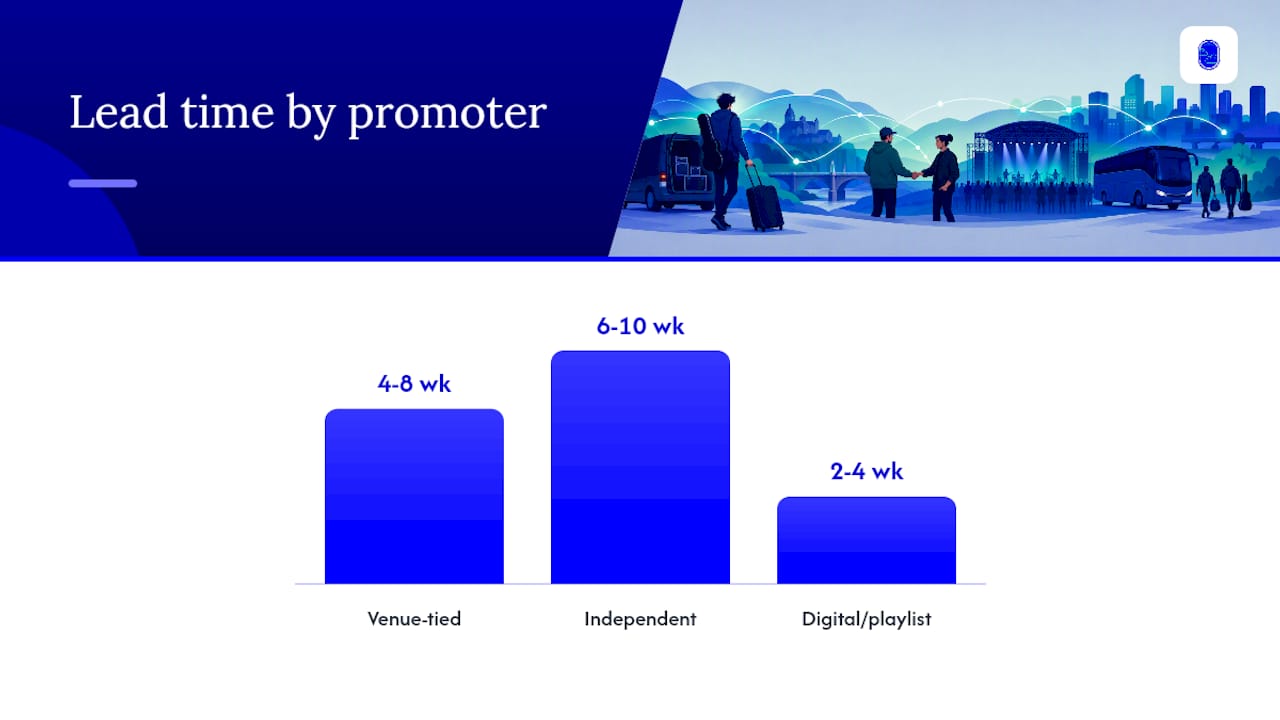
Artist.tools describes four main promoter specializations, and choosing the right one for your goal saves you a lot of wasted pitches.
| Promoter type | Best use-case | Who fronts cost | Lead time |
|---|---|---|---|
| Venue-tied | Regular local residency or recurring series | Venue/promoter jointly | 4–8 weeks |
| Independent | Single shows with active local promotion | Promoter | 6–10 weeks |
| Digital/playlist | Streaming discovery, monthly listener growth | Artist or label | 2–4 weeks |
| DIY | Community events, low-budget showcases | Artist | 2–6 weeks |
- Venue-tied promoters work inside a specific club or room and book acts that fit their programming calendar. Great for building a local residency.
- Independent promoters take on shows as standalone projects and typically invest more in marketing. They're the right call when you want a single well-promoted event.
- Digital and playlist promoters focus on streaming growth rather than live attendance. Legitimate ones supply verifiable metrics showing sustained listener growth, not one-off stream spikes.
- DIY means you wear the promoter hat yourself. Useful for building community early, but it pulls focus from performing.
How do promoters decide whether to book you?
Every promoter is asking one question: "How many tickets can this artist sell in my city?" The data sources that answer it are specific.
What promoters look at:
- Monthly listeners on Spotify and whether that number is growing
- Geographic listener data showing fans in their market
- Social engagement rate (not just follower count)
- Ticket presale numbers from previous shows
- Live video quality and crowd response
A localized spike in your Spotify for Artists data, confirmed by an artist.tools report, signals higher booking probability for that market. That's the combination that gets a promoter's attention.
Your press kit checklist:
- One-sheet: bio, photo, genre, and booking contact
- Recent live video (3–5 minutes, good audio)
- Spotify for Artists screenshot with geographic listener data
- Artist.tools or equivalent analytics report
- Social proof: press mentions, local venue references, past show attendance
Timeline guidance by venue size:
- Small bar or café (under 100 capacity): pitch 30–45 days out
- Mid-size club (100–500): pitch 6–10 weeks out
- Theater or festival stage (500+): pitch 3–6 months out
Check the Colorado venue booking guide for specific lead-time expectations at local rooms.
How do promoter payment models work?
Payment models fall into three types, and knowing the difference protects you at the negotiating table.
- Door split: You and the promoter divide ticket revenue by an agreed percentage after costs. A commonly cited small-show example is 80/20 in the artist's favor, though splits vary widely by market and venue.
- Guarantee: The promoter pays you a fixed fee regardless of ticket sales. This makes sense when you have a proven draw and the promoter is confident in the show.
- Hybrid: A lower guarantee plus a percentage of revenue above a ticket-sales threshold. Often the fairest model for both sides.
Recoupment is the part most artists miss. Before any split happens, the promoter deducts their costs: venue rent, staff, marketing spend, production, and insurance. What's left is the "net" that gets divided. Always ask for an itemized recoupment statement.
🚩 Red flags to watch for:
- Promises of guaranteed playlist placements or guaranteed stream/follower counts
- Refusal to provide a written recoupment breakdown
- Pressure to sign quickly without reviewing contract terms
Pro Tip: If a promoter offers a guarantee, ask what their ticket-sales projection is and how they arrived at it. A confident, data-backed answer is a green light. Vagueness is not.
How to find, vet, and negotiate with local promoters
A reproducible vetting process saves you from bad deals and builds relationships that last.
Step-by-step vetting:
- Ask other artists, managers, and venue owners for recommendations. Peer referrals are the most reliable signal.
- Search the promoter's name alongside venue names to verify past events.
- Check their ticketing history: do their shows actually sell?
- Request two or three artist references and call them.
- Confirm any claimed playlist or social reach with independent analytics, not just screenshots they provide.
Contract checklist:
- Payment terms: split percentage or guarantee amount, clearly stated
- Recoupment line items listed explicitly
- Rider obligations and who covers costs
- Cancellation policy and deposit terms
- Reporting cadence: when you receive sales data and final settlement
- Insurance and liability notes (consult a music attorney or entertainment lawyer for any clause you don't fully understand)
Questions to ask a prospective promoter:
- "What's your typical ticket-sales breakdown for a show at this venue?"
- "How do you market shows, and what's your budget for this one?"
- "Can I speak with an artist you've worked with in the last six months?"
Honest promoters answer these directly. Vague or defensive responses are a signal worth heeding.
Negotiation tip: Marketing support, a merch table, and allocated presale tickets are all tradeable items. If the financial offer is fixed, ask for more of these instead.
Pro Tip: Use local Colorado artist networking resources to build relationships with other performers who can share firsthand promoter experiences before you sign anything.
Your 8–12 week partnership checklist
A clear timeline keeps both you and your promoter on track. Here's how a well-run show comes together.
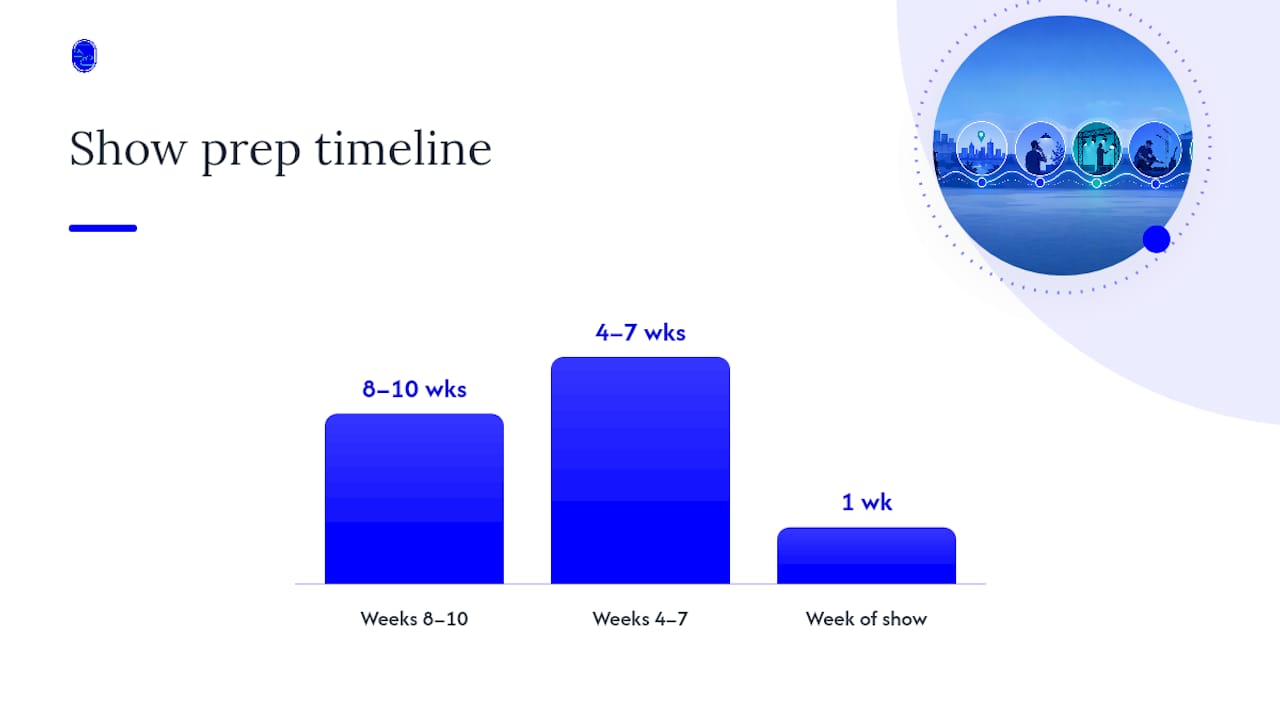
Weeks 8–10 before the show:
- Contract signed, deposit paid, venue confirmed
- Artist assets delivered: bio, photos, stage plot, tech rider
- Presale tickets launched and shared to your mailing list and socials
Weeks 4–7:
- Marketing ramp begins: social ads, email campaigns, local press outreach
- Mid-campaign check-in: review presale velocity and adjust spend if needed
- Confirm production details: PA, lighting, load-in time, soundcheck schedule
Week of the show:
- Final ticket count and guest list confirmed
- Load-in, soundcheck, and doors open on schedule
- Post-show: collect settlement statement and revenue breakdown within 48 hours
Brand partnerships as a complement: Local businesses, coffee shops, galleries, and flea markets can sponsor or cross-promote your show, adding reach the promoter's network alone won't cover. Hypebot's indie artist brand partnership guide outlines practical tactics for pitching these relationships. A simple cross-promo idea: offer a local café free tickets and a social shoutout in exchange for in-store flyers and an email blast to their customer list. Both sides win, and your promoter gets extra marketing they didn't have to fund.
Pro Tip: Pitch brand partnerships to your promoter before the show, not after. Sponsors reduce their financial risk, which makes them more likely to invest in marketing and book you again.
Why promoters are partners, not gatekeepers
Here's my honest take: most artists approach promoters as gatekeepers to get past. That framing costs them good relationships and good shows.
A promoter brings three things you genuinely can't replicate on your own at the same scale: risk capital, operational infrastructure, and curation credibility. They're putting real money on the line for your show. When you show up with solid audience data, a professional press kit, and consistent presale effort, you're not just making their job easier. You're reducing their financial exposure, which is exactly what earns you better deals, bigger rooms, and repeat bookings.
The artists who build lasting promoter relationships treat every show as a two-way investment. They follow up after the show, share the settlement data, and stay in touch between bookings. That consistency is rarer than talent, and promoters remember it.
One more thing: listing your shows on discovery platforms like Experiencebylocals alongside promoter-led events gives you an additional presale channel and local visibility that costs nothing to add.
Experiencebylocals helps your shows get found in Colorado
You've done the work: the press kit is ready, the analytics are pulled, and you're booking shows with local promoters. Now make sure those shows are actually discoverable. Experiencebylocals is a Colorado-based marketplace where local artists list live music, comedy, dance, and theater events directly with audiences who are actively looking for authentic local experiences.
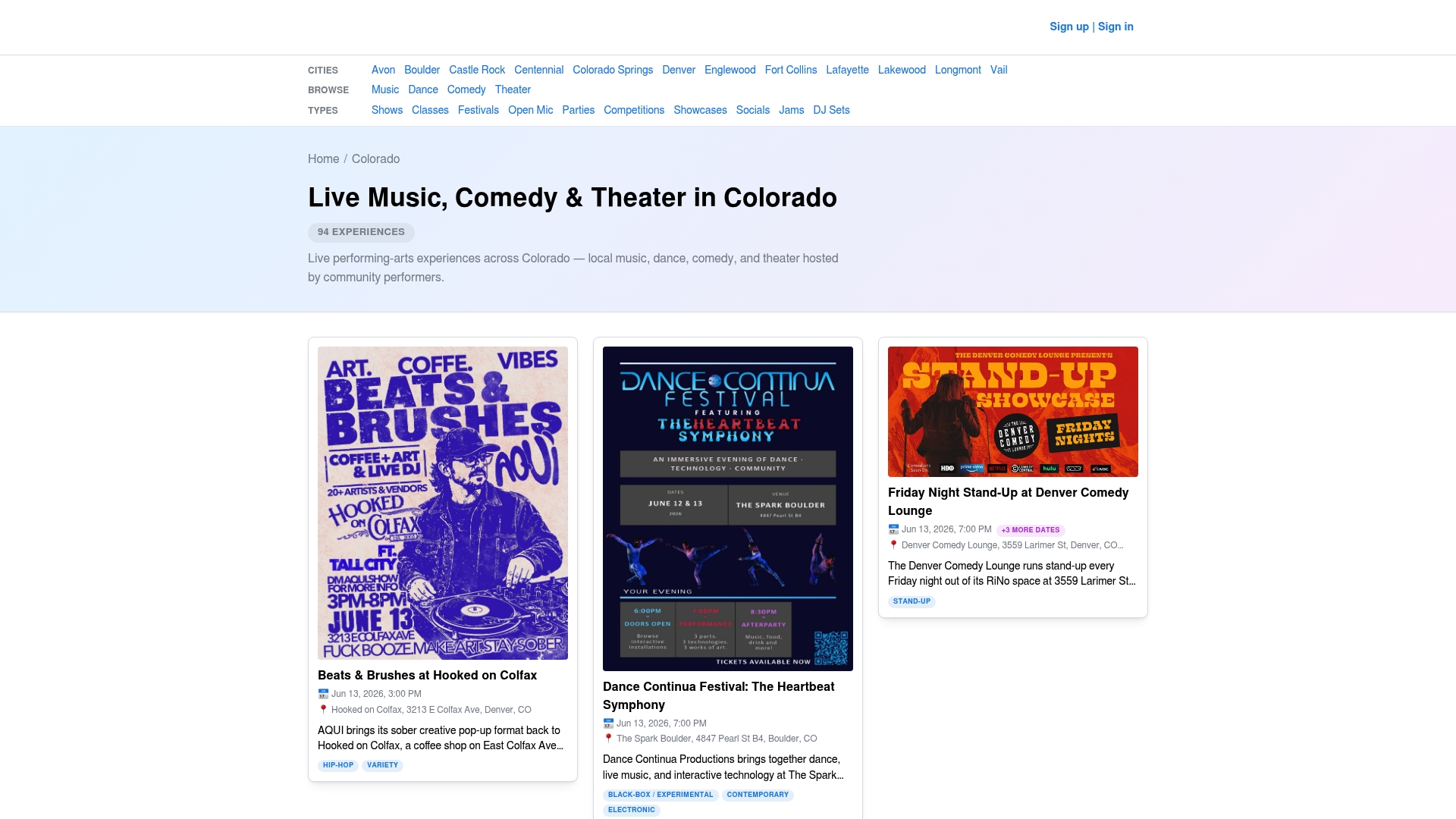
Listing on Experiencebylocals works alongside your promoter, not instead of them. It adds a presale discovery channel, connects you with locals and visitors who wouldn't find you through a promoter's existing network, and builds your local profile show by show. For artists targeting Colorado audiences, it's a practical complement to every booking you land. Browse live music listings in Colorado to see how local artists are already showing up, then list your next event and put your show in front of the right crowd.
Sources
- THE EARLY CAREER (PRS Foundation toolkit)
- Artist
- The Role Of The Local Promoter vs. The Local Band (Hypebot)
- What does a concert promoter do? (Careers in Music)