
Tonight: West Coast Swing in Denver, Beginner Nights, $5–$15 Cover
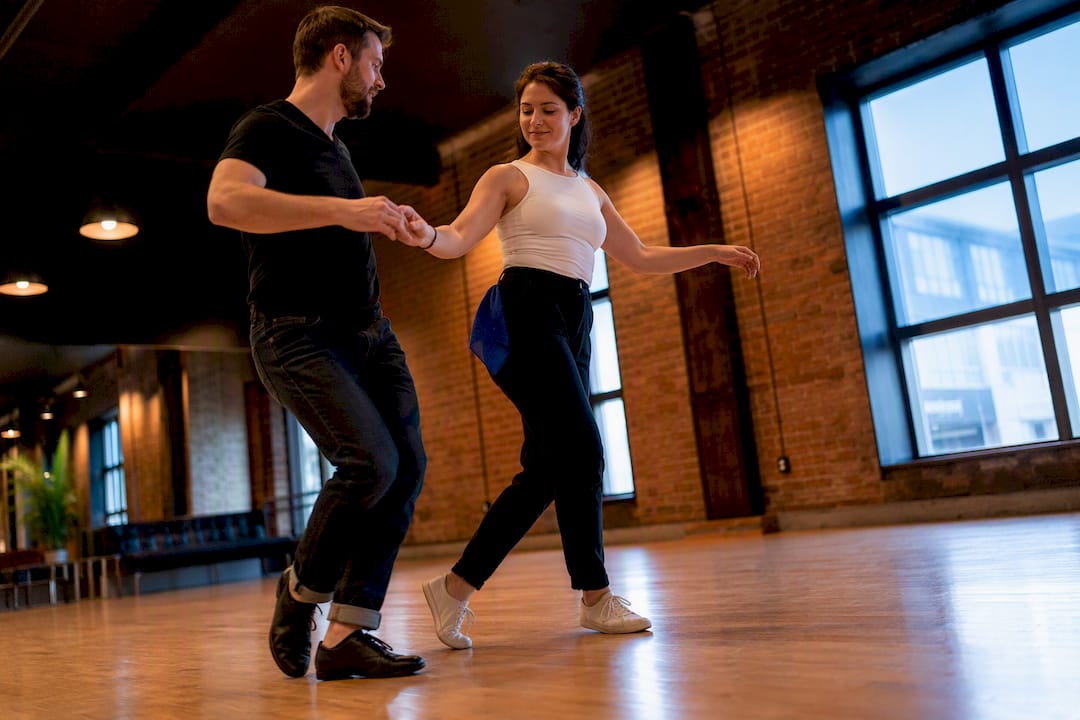
For most first-timers, start with Modern Swing Mondays at the Stampede. There's a beginner lesson followed by a social, drop-ins are welcome, and cover typically runs $5 to $15. If Monday doesn't work, the Rocky Mountain Swing Dance Club runs a lower-cost Sunday social at the Denver Turnverein. Check the calendar before you head out, then just show up early for the lesson.
TL;DR:
- Most beginner-friendly West Coast Swing nights, like Modern Swing Mondays, offer low-cost lessons and social dancing with large crowds and free partner rotation.
- Weekly schedules are flexible, with venues, times, and themes changing seasonally, so checking current calendars before attending is essential.
- Private instruction is most effective when targeting particular problems, and instructors generally can be found via community pages and club websites.
- Denver's scene welcomes newcomers without partners, encourages casual dress, and recommends wearing suede or leather sole shoes for better movement and safety on the floor.
Table of Contents
- Your Weekly West Coast Swing Denver Options, Ranked
- What Does a Typical Week of Denver Swing Dancing Look Like?
- Where to Take West Coast Swing Classes in Denver
- How Do I Find a West Coast Swing Instructor in Denver?
- What Should I Expect at My First Denver Swing Dance Event?
- How Do I Get Started in Denver's Swing Dance Scene?
- Where to Buy Dance Shoes and Practice Wear in Denver
- Getting to Denver's Swing Dance Venues: Parking and Transit
- Why Denver's Swing Dance Community Is Worth Showing Up For
- Find and Book Denver Dance Events With Experience By Locals
- Where to Verify Times, Prices, and Cancellations
- Sources
Your Weekly West Coast Swing Denver Options, Ranked
Three names come up again and again when Denver dancers talk about where to go, and each one serves a different kind of night. Here's how to pick the right one for where you're at.
- Modern Swing Mondays at the Stampede — This is Denver's biggest regular West Coast Swing night, with a beginner lesson and an intermediate lesson back to back before the social floor opens. It's the easiest entry point if you've never danced West Coast Swing before, and the crowd size means you're never short on partners.
- Westie Wednesdays at The Mercury Cafe — A downtown option that's historically leaned toward intermediate dancers and mid-week socializing. Status changes from season to season, so confirm it's currently running before you make plans around it.
- RMSDC Sunday Social at Denver Turnverein — Run by the Rocky Mountain Swing Dance Club, this is the community-club version of the scene: lower admission, youth programming, and a membership structure that rewards regulars.
If you're brand new and just want to learn the basics without much pressure, Monday at the Stampede is the move. If you already know your basic footwork and want a change of scenery mid-week, look for Westie Wednesdays. If you want the friendliest, most budget-conscious entry into the Denver swing dance community, Sunday at the Turnverein is hard to beat.
What Does a Typical Week of Denver Swing Dancing Look Like?
Here's the rough shape of a week if you wanted to dance West Coast Swing in Denver every single night it's offered. Treat these times as a starting point, not gospel.
- Monday: Modern Swing Mondays at the Stampede. Beginner lesson early evening, intermediate lesson right after, social dancing runs late. Large dance floor, generally easy parking.
- Wednesday: Westie Wednesdays at The Mercury Cafe, when active. Downtown venue, so plan for street parking or a short walk.
- Sunday: RMSDC social at the Denver Turnverein. Lesson precedes the dance, and the venue runs youth-friendly programming earlier in the day.
Schedules shift more than most dancers expect. Venues change, hosts pause a night for a season, or a holiday bumps the whole week around. Regional aggregators that track West Coast Swing classes and dances across Denver, Colorado Springs, and Fort Collins are worth a quick check before you drive anywhere, and so is each club's own calendar page. If a listing doesn't show a recent update, call the venue instead of guessing.
Where to Take West Coast Swing Classes in Denver
Denver's teaching options split into two tracks, and picking the right one shapes how fast you actually improve. A drop-in lesson followed by a social is built for casual, low-commitment learning: you show up, get a half-hour of instruction, then practice immediately on the social floor. A 6 to 8 week series is the opposite bet: you commit to one curriculum, one group of classmates, and steady weekly progress toward a specific skill level.
Pricing in the local scene tends to fall into predictable bands. Drop-in lessons paired with a social night generally run $5 to $15, while an 8-week series at a local studio often lands around $70 for the full course. Weekend workshops with a visiting professional cost more, but they're worth the ticket when a specific technique, a specific pro, or a specific pattern has been stuck in your head for months.
- Drop-in nights: best for social dancers who want variety over consistency.
- Multi-week series: best for anyone chasing a specific skill level by a certain date.
- Workshops: best when the topic or teacher solves a problem your regular classes haven't.
Pro Tip: Email the organizer before your first class and ask what level is actually being taught that week. "Beginner" sometimes means absolute beginner and sometimes means "beginner who's been coming for two months."
How Do I Find a West Coast Swing Instructor in Denver?
Instructor rosters usually live on the same club sites and community pages that publish the weekly calendar, so start there before searching anywhere else. Names repeat across Denver Westies programming and RMSDC's lesson rotation, which makes it easy to spot who's teaching regularly versus who's a guest for one night only.
Private lessons make the most sense once you have a specific problem to fix, not a general "I want to get better" goal. A private hour with a local instructor focused on your anchor step or your whip pattern will move you further than three more months of group classes on that same issue.
- Reach out directly through the instructor's contact listed on the club or community page.
- Come with one or two concrete goals, not a vague request to "work on everything."
- Bring your usual dance shoes and expect to record a few run-throughs for reference.
What Should I Expect at My First Denver Swing Dance Event?
Most Denver nights fold the lesson into a single cover charge rather than charging separately, which makes budgeting simple. Bring cash as a backup even at venues that accept cards, since door lines move faster with exact change.
- Age policy: Venues serving alcohol, including the Stampede, typically run 21+. Community-club events like RMSDC's Sunday social tend to be more welcoming to a wider age range, including youth programming in some cases.
- Footwear: Skip rubber-soled sneakers. Suede-soled dance shoes or a smooth leather sole let you turn without your foot sticking to the floor.
- Partner policy: No partner required at any of these nights. Rotational social dancing is the norm, and the beginner lesson usually pairs you with several different people before the social even starts.
Quick fact: Venue-specific notes across local calendars consistently point to 21+ policies at alcohol-serving nights and non-rubber-soled shoes as the standard advice for Denver's swing dance events.
How Do I Get Started in Denver's Swing Dance Scene?
Turning curiosity into an actual habit takes about five steps, and most of them happen before you even walk through the door.
- Check the current calendar and confirm start times the same day you plan to go.
- Arrive 15 to 20 minutes before the beginner lesson, sign in, and pay cover at the door.
- Take the beginner lesson even if you've danced before elsewhere. It resets you to the local style and gets you dancing with the regulars right away.
- Ask for a dance with a simple, direct invitation, and don't take a polite "not this one" personally. It happens to everyone.
- Follow the club's Facebook page or mailing list for fast updates, and ask about volunteer shifts if you want cheaper entry and faster friendships.
Pro Tip: Volunteering at the door for one night is one of the fastest ways to learn everyone's name in the Denver swing dance community. You'll meet the regulars before you've even danced with them.
Where to Buy Dance Shoes and Practice Wear in Denver
Your regular sneakers will hold you back on a hardwood or laminate floor, so this is one purchase worth making early. Suede-soled dance shoes let you pivot and slide the way West Coast Swing footwork demands, while rubber soles grip and twist your knee instead.

Local dance supply shops around the Denver metro carry both women's heels and men's dance sneakers built with suede or split soles, and most swing dancers eventually own at least one pair dedicated purely to the floor, similar to the way different venues cater to dancers, as seen in Phoenix Nightlife – Phoenix Furnished Rentals. If a dedicated dance shoe isn't in the budget yet, a suede sole protector applied to a comfortable flat or low heel is a common workaround among beginners.
Clothing matters less than shoes, but breathable, non-restrictive layers make a real difference once you're three songs into a social. Many dancers bring a change of shirt for later in the night, since these socials run warm once the floor fills up. Ask around at any of the nights above. Regulars usually know exactly which shop stocked their current pair and are happy to point newcomers in the right direction.
Getting to Denver's Swing Dance Venues: Parking and Transit
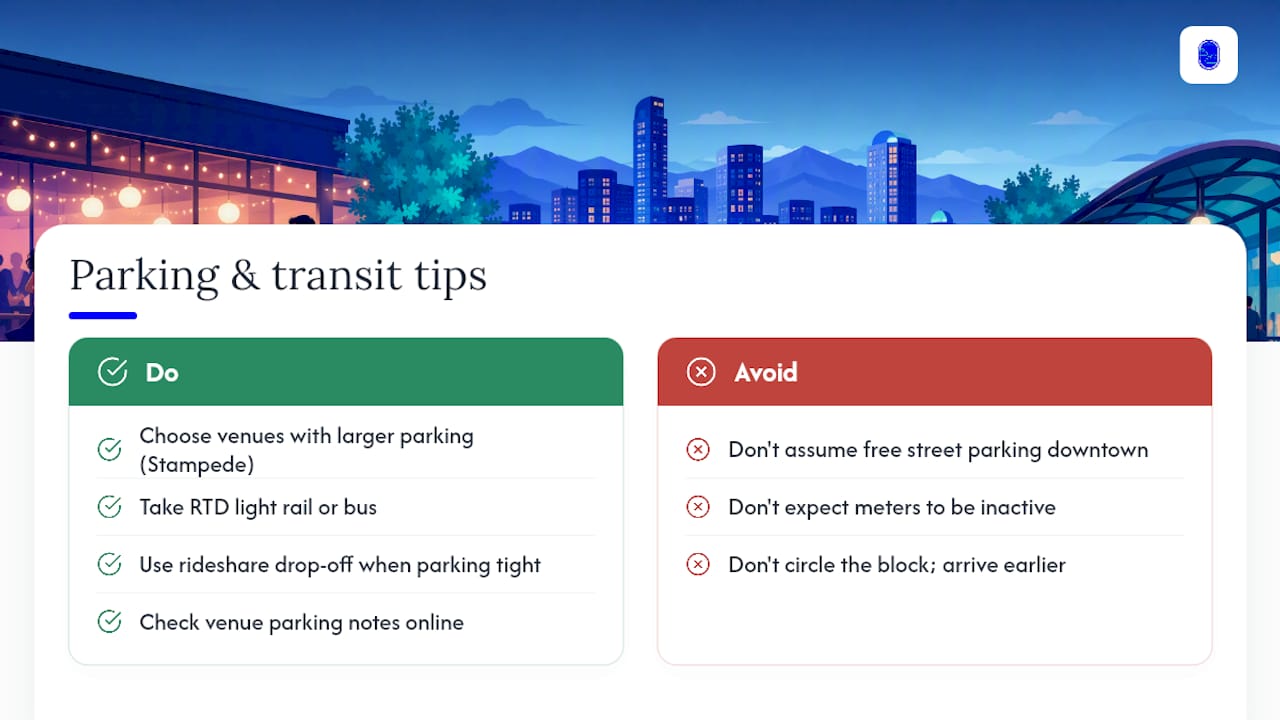
The Stampede's larger footprint generally means easier, freer parking than Denver's tighter downtown venues, which matters if you're driving in after work and don't want to circle the block. Downtown options near Mercury Cafe sit closer to Denver's core, so street parking is more competitive and metered spots may still be active depending on the time of night.
RTD's light rail and bus network reach most of central Denver, and rideshare drop-off is a reasonable option for any venue where parking looks tight, especially on a night you plan to stay late. If you're coming from Boulder, Longmont, or Fort Collins for a bigger workshop or a special event, factor in extra drive time on I-25, since evening traffic into Denver can add a real chunk of time to your trip. Whatever venue you land on, it's worth checking the venue's own page for the most current parking notes, since lot access and street rules can shift with construction or nearby events.
Why Denver's Swing Dance Community Is Worth Showing Up For
What strikes me most about Denver's West Coast Swing scene is how little it asks of a total beginner. You don't need a partner, a costume, or a single lesson under your belt to walk into Modern Swing Mondays and leave having danced with a dozen people. The RMSDC crowd at the Turnverein takes that welcome even further, building youth programs and volunteer tracks that turn newcomers into regulars faster than almost any other hobby I can think of. If you've been putting off your first night out, this week's calendar is as good a reason as any to finally go, and Experience By Locals is a solid place to double check what's actually happening around town before you leave the house.
— DJ
Find and Book Denver Dance Events With Experience By Locals
There are platforms available to check what's actually happening in Denver's dance scene this week, without hopping between multiple club calendars and Facebook groups to piece it together. Search and filter by category, see what's hosted by community artists across Colorado, and book directly when a listing has tickets attached through appropriate platforms.
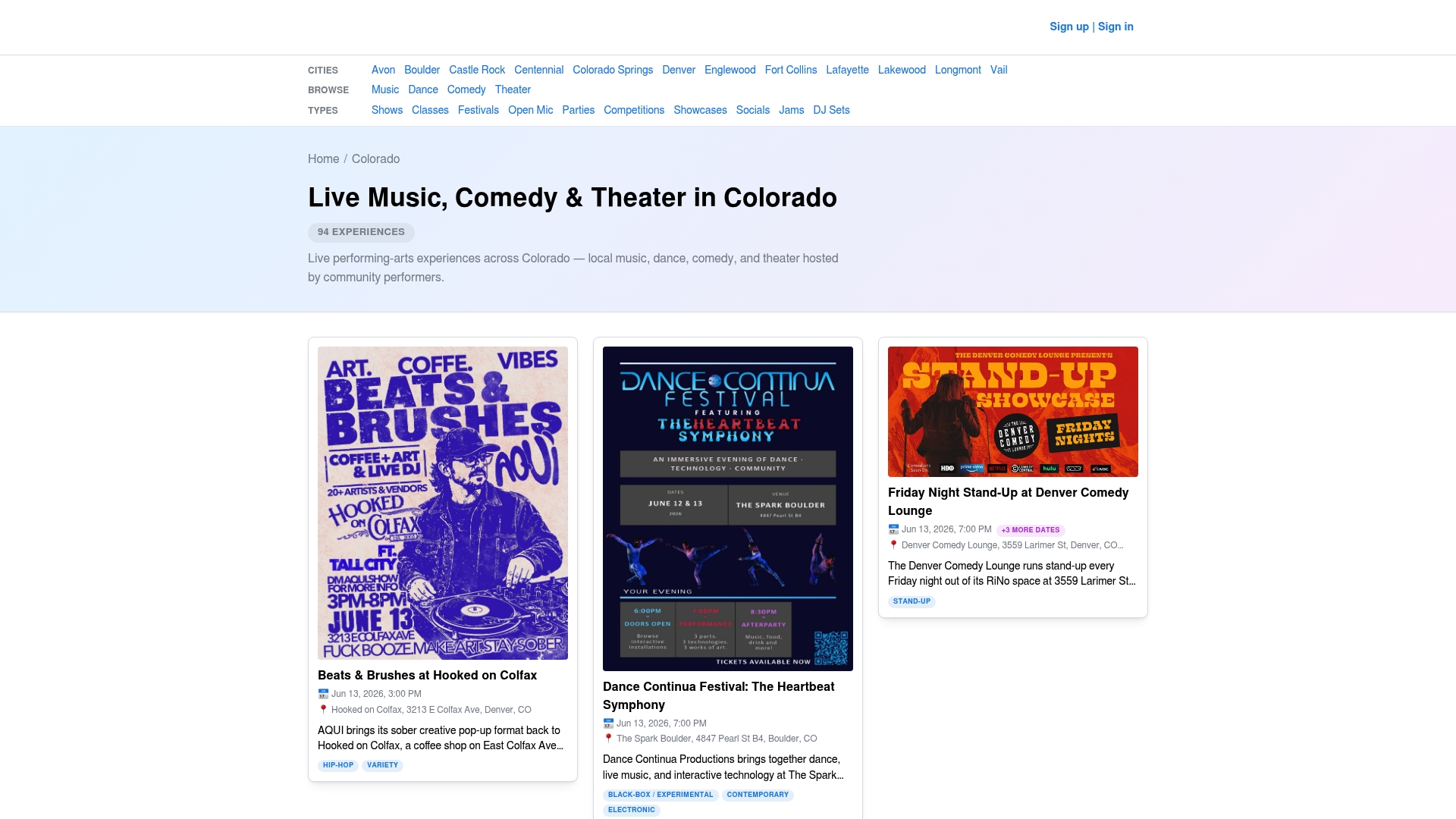
Beyond swing nights, the platform's dance category page covers everything from ballroom to K-pop choreography sessions, so it's worth a look even if West Coast Swing is just your entry point into Denver's wider dance community. If a night you were counting on gets canceled or moved, the same search makes it easy to find a live music or comedy show nearby instead of wasting the evening. Start at the Denver events page and see what's on this week, then book your spot before the good seats or the good dance partners are gone.
Where to Verify Times, Prices, and Cancellations
Schedules move fast in this scene, so confirm details close to the day you plan to attend.
- Denver Westies calendar for Monday night times and pricing.
- Rocky Mountain Swing Dance Club for Sunday social and youth program details.
- Regional WCS listings for a broader Colorado calendar view.
- Experience By Locals Denver page for current bookable dance and music events.
Always check a listing's last-updated date, and call the venue directly if anything looks stale.
Sources
- Denver Westies - Calendar
- Rocky Mountain Swing Dance Club
- West Coast Swing Classes & Dances in Denver, Springs & Ft Col.