
What Does a Choreography Workshop Include?
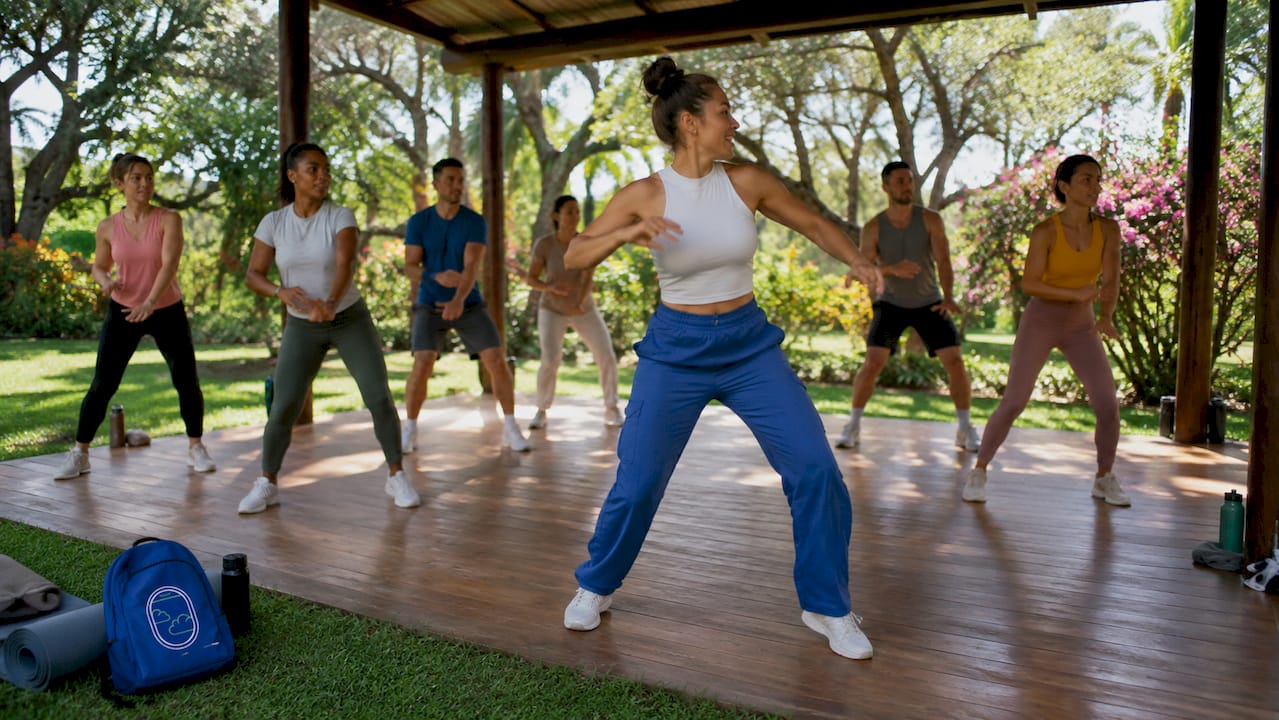
A choreography workshop is an intensive dance training session that teaches participants a complete routine through structured warm-ups, step-by-step movement breakdowns, and a final performance. If you have ever wondered what does choreography workshop include, the short answer is: a warm-up phase, a choreography breakdown, improvisation exercises, and a closing showcase. The SF Conservatory of Dance describes these sessions as fast-paced and intensive, designed to move participants from zero to performance-ready in a single day. Professional workshops, such as those offered in Munich and New York City, run 4–4.5 hours daily over multiple days. That structure is not accidental. It reflects exactly how much time the body and mind need to absorb new movement patterns without burning out.
What does a choreography workshop include, step by step?
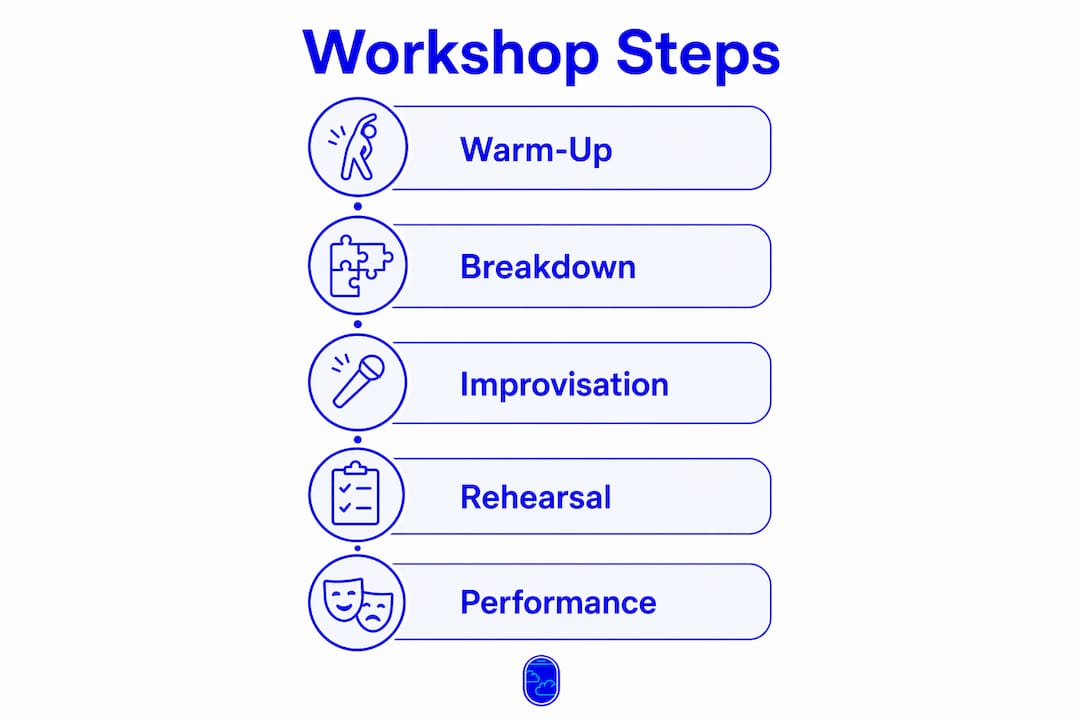
A standard choreography workshop agenda follows a clear arc: warm-up, breakdown, creative exploration, and performance. Each phase builds on the last, so skipping one weakens the whole experience.
-
Warm-up (10–20 minutes). The session opens with dynamic stretching, joint mobility work, and light cardio. This is not optional filler. A proper warm-up primes your muscles for the sharp directional changes that choreography demands and reduces injury risk significantly.
-
Choreography breakdown (30–60 minutes). The instructor teaches the routine in small chunks, often 8 counts at a time. Each chunk gets repeated, layered with the previous one, and drilled until the group can move through it with confidence. The SF Conservatory of Dance notes that effective teaching at this stage focuses on communication and encouraging personal interpretation, not just mechanical copying.
-
Improvisation and creative movement (15–30 minutes). Many workshops include a dedicated block for free movement, musicality drills, and spatial awareness exercises. Experienced dancers recognize these drills as the key to truly internalizing choreography rather than just memorizing it.
-
Full run-throughs. Once the full routine is assembled, participants run it from start to finish, repeatedly. This is where stamina, timing, and confidence get tested together.
-
Final performance or showcase. Most workshops close with a performance for peers, family, or a small audience. This is not a formality. It is a distinct training tool that builds stage presence and the ability to project intention under pressure.
Pro Tip: Ask clarifying questions during the breakdown phase. Clarifying questions are a professional necessity, not a sign of weakness. They help you capture the choreographer's exact vision before bad habits set in.
Full-day workshop schedules, like those at the Roxy Theatre, run from 9 AM to 4 PM with scheduled breaks for meals and rest. That rhythm keeps energy levels stable across a long session.

How do workshops differ by experience level and style?
Not every choreography workshop agenda looks the same. The content shifts significantly based on who is in the room and what style is being taught.
-
Beginners need more time in the breakdown phase and benefit from slower pacing. Technique foundations ease later choreography learning and increase enjoyment. A beginner who has not yet mastered basic footwork will struggle to absorb complex choreography, so many beginner workshops front-load technique review before introducing the routine.
-
Intermediate and advanced dancers spend less time on foundational steps and more time on nuance. Workshops at this level focus on musicality, texture, and performance quality rather than just getting the steps right.
-
Style-specific workshops carry their own demands. A K-pop session like K-pop choreography with Iya at Mi Chantli emphasizes synchronized group formations and sharp isolations. A contemporary workshop may prioritize weight sharing and floor work. A musical theater session integrates acting intention into every eight count.
-
Professional intensives in cities like Munich and New York City go deeper. Professional workshops typically last 3–5 days with daily sessions of 4–4.5 hours. These programs also incorporate movement analysis techniques, including respiratory control and force dynamics, to develop authentic expression beyond step imitation.
-
Style-blended workshops are growing in popularity. These sessions pull from two or more genres, asking dancers to apply principles from one style to the vocabulary of another. That cross-training builds adaptability fast.
The choreography workshop schedule you choose should match where you are right now, not where you want to be in a year. Choosing a session that is too advanced leads to frustration. Choosing one that is too easy wastes your time.
What should you bring and how should you prepare?
Preparation shapes your experience before you walk through the door. Showing up ready means you spend your energy on dancing, not on discomfort.
- ✅ Comfortable, fitted clothing. Loose fabric catches on limbs and obscures your lines in the mirror. Fitted activewear lets you and your instructor see your alignment clearly.
- ✅ Supportive footwear. Match your shoes to the style. Jazz shoes for theater, sneakers for hip-hop, bare feet or socks for contemporary. Wrong footwear creates real injury risk.
- ✅ Water and snacks. Full-day workshops require a packed lunch and hydration throughout. Do not rely on vending machines.
- ✅ A notebook or phone for video. Many instructors allow brief video recordings during breaks. A short clip of the routine helps you review at home.
- ✅ An open mindset. You will not get every count right on the first pass. That is the point.
Pro Tip: Use the mirror as a correction tool, not a judge. The SF Conservatory of Dance recommends shifting focus from how you look to how the movement feels. That shift accelerates learning and builds confidence faster than self-criticism ever will.
Check the dance workshop checklist for beginners if you want a complete packing and prep guide before your first session. Physical readiness matters too. A light workout the day before, followed by good sleep, puts your body in the best position to absorb new material.
How does the final performance build real skills?
The closing showcase is the most underrated element of a choreography workshop. Most participants think of it as a fun bonus. It is actually a core training tool.
Performance skills differ from studio practice and require focused rehearsal. When you dance for an audience, even a small one, your nervous system responds differently. Adrenaline changes your timing. Self-consciousness compresses your movement. The only way to manage those effects is to practice performing regularly.
| Skill developed | How the workshop builds it |
|---|---|
| Stage presence | Final run-throughs in front of peers simulate real audience pressure |
| Projection | Instructors cue dancers to scale movement for visibility beyond the front row |
| Intention | Dancers practice connecting emotional meaning to each phrase of choreography |
| Pressure management | Repeated performance exposure reduces adrenaline spikes over time |
| Spatial awareness | Group formations in the showcase train dancers to hold position while moving |
The 2026 NYC Summer Workshop treats performance training as a distinct discipline within the broader program. That approach reflects what professional dancers already know: you can execute a routine perfectly in rehearsal and fall apart in front of an audience if you have never trained for that specific context. The showcase at the end of a workshop gives you a low-stakes environment to practice being seen.
Learning to improve dance skills through performance practice is one of the fastest ways to close the gap between knowing a routine and owning it.
Key Takeaways
A choreography workshop builds performance-ready dancers through structured warm-ups, step-by-step breakdowns, improvisation drills, and a closing showcase that trains presence and confidence under real pressure.
| Point | Details |
|---|---|
| Core structure | Every workshop includes a warm-up, choreography breakdown, creative exercises, and a final performance. |
| Duration varies | Professional intensives run 4–4.5 hours daily over 3–5 days; single-day sessions run 9 AM to 4 PM. |
| Level matters | Beginners need technique review first; advanced dancers focus on musicality and performance quality. |
| Preparation counts | Bring fitted clothing, correct footwear, water, and a packed lunch for full-day sessions. |
| Performance is training | The closing showcase builds stage presence, projection, and pressure management, not just routine recall. |
What I have learned from watching dancers walk into workshops
Most dancers walk into a choreography workshop focused on the wrong thing. They want to nail every count perfectly. That goal is understandable, but it creates tension that actually slows learning down.
The instructors I have seen get the best results from their participants are the ones who shift the room's focus early. They make it clear that personal interpretation is welcome, even expected. When a dancer stops trying to clone the instructor and starts asking "how does this phrase feel in my body," something clicks. The movement becomes theirs. That shift is what the SF Conservatory of Dance describes as the real goal of choreography teaching: communication over mechanical execution.
The other thing I have noticed is that the final performance scares people more than it should. Dancers who have been moving confidently all day suddenly freeze when they know someone is watching. That reaction is completely normal, and it is exactly why the showcase exists. You cannot train away stage fright by avoiding stages. You train it away by performing, imperfectly, in front of people who are rooting for you.
My honest advice: ask every question you have during the breakdown. Take the video. Use the mirror to check your lines, then look away and feel the movement. And when the showcase comes, commit fully. The room is always more supportive than you expect.
— DJ
Live dance experiences worth showing up for
Colorado has a genuinely exciting local dance scene, and Experiencebylocals makes it easy to find the real thing.

Whether you are looking to attend a workshop, watch a live performance, or find your next creative community, Experiencebylocals connects you with local artists who bring authentic energy to every event. From K-pop sessions to African dance and modern movement, the platform highlights experiences that go well beyond a standard class. Check out dance performances in Colorado to find workshops, showcases, and live events near you. You can also browse the full Colorado events calendar for music, theater, and comedy alongside dance. These are grassroots experiences hosted by artists who live and create in your community.
FAQ
What does a choreography workshop typically include?
A choreography workshop includes a warm-up, a step-by-step routine breakdown, improvisation exercises, and a final performance showcase. Sessions run 10–20 minutes of warm-up, 30–60 minutes of choreography breakdown, and close with a group performance.
How long does a choreography workshop last?
Single-day workshops typically run from 9 AM to 4 PM with scheduled breaks. Professional multi-day intensives average 4–4.5 hours of active instruction per day over 3–5 days.
Do beginners need experience before attending a choreography workshop?
Beginners benefit from basic technique training before joining a choreography workshop. Solid fundamentals make the breakdown phase easier to follow and increase overall enjoyment of the session.
What should I bring to a choreography workshop?
Bring fitted activewear, footwear appropriate for the dance style, water, and a packed lunch for full-day sessions. A phone for recording short clips during breaks is also useful for home review.
Why do choreography workshops end with a performance?
The closing performance trains skills that studio practice alone cannot build, including stage presence, projection, and managing adrenaline in front of an audience. Repeated performance exposure reduces anxiety and accelerates confidence development.