
How Artists Get Discovered Locally: Steps That Work
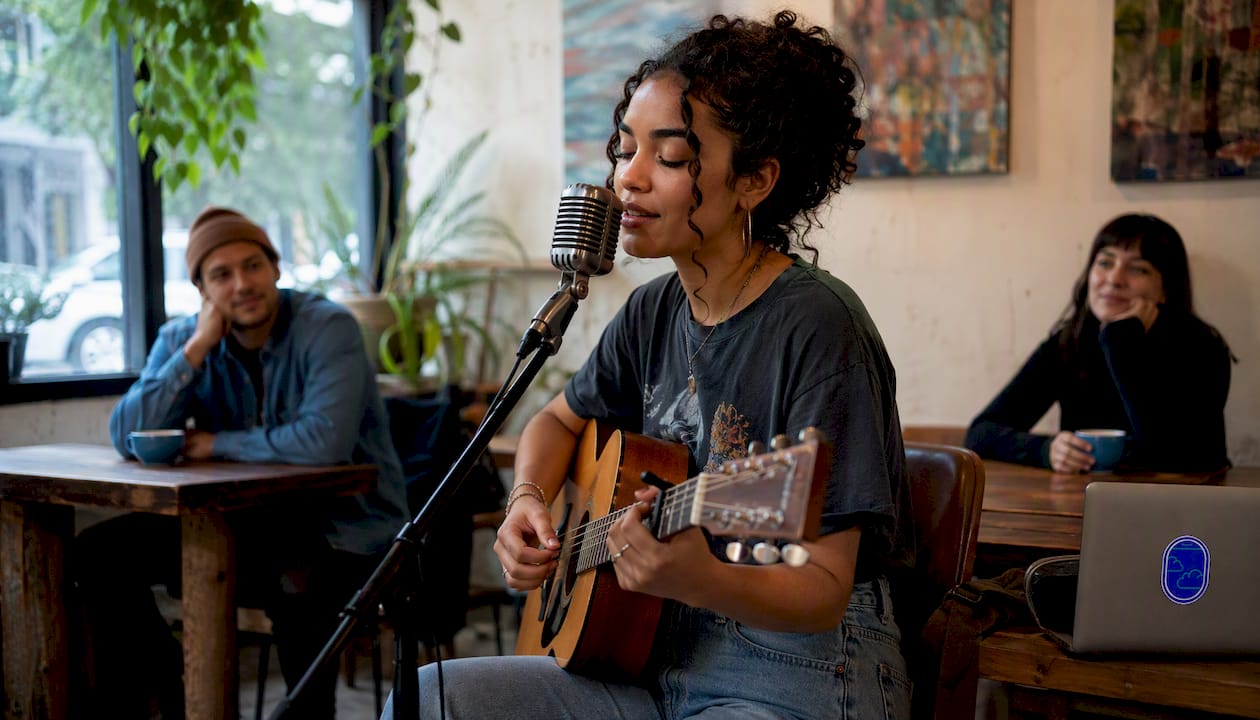
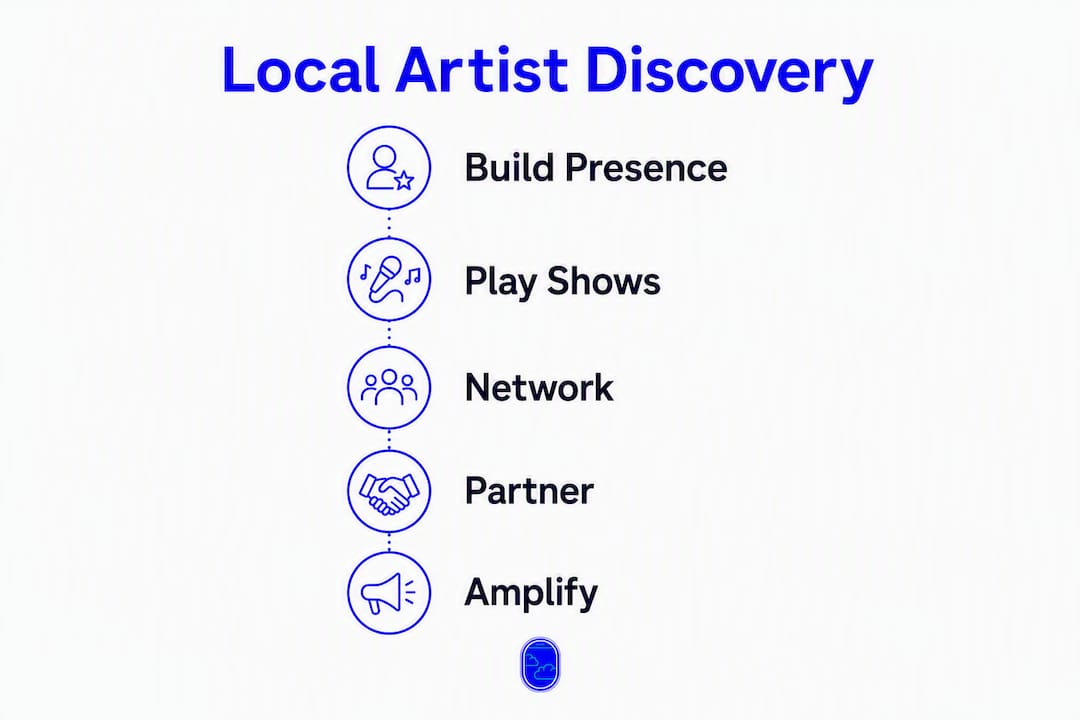
Artists get discovered locally through a combination of consistent live shows, direct outreach to promoters and venue managers, strategic community partnerships, and social platforms that amplify real-world momentum. Here's your fast-start checklist:
Start today:
- ✅ Book one open-mic or local show this week
- ✅ Build a one-page EPK with your best track, a photo, and a local draw estimate
- ✅ Follow and engage with three local promoters or venue managers on Instagram
- ✅ Partner with one nearby business (café, gallery, retailer) for an in-store performance
- ✅ Set up a QR code at your next show to capture email signups
- ✅ Post a same-day social recap after every performance, tagging the venue and location
- ✅ Pitch one local blog, radio station, or event calendar this month
- ✅ Join or research one local music collective or union chapter near you
These aren't abstract goals. Each one is a 30-minute task you can complete before the weekend.
Table of Contents
- How do artists actually get discovered locally in 2026?
- Play live: how do you get booked and make each show count?
- How do you build relationships with promoters and other artists?
- How can local business partnerships expand your reach?
- How do streaming and social platforms amplify your local visibility?
- How do you get coverage from local press, radio, and playlists?
- What does a realistic timeline and budget look like?
- What short case studies show local discovery working in practice?
- How do local music unions and artist collectives support your career?
- What legal and licensing basics do local performers need to know?
- Key Takeaways
- What actually works for local artists (and what most people get wrong)
- Experiencebylocals connects local artists with audiences ready to show up
- Further reading and resources
How do artists actually get discovered locally in 2026?
Platforms create reach. Live shows and relationships convert that reach into bookings, fans, and industry introductions. Understanding this split is the foundation of any working local strategy.
Independent artists winning in 2026 are the ones who treat social media as a discovery surface and treat every in-person interaction as the real conversion opportunity. TikTok and Spotify put your name in front of strangers. A handshake at an open-mic gets you on next month's bill.
The main local discovery channels work differently from each other:
- Venues and promoters: Gate-kept but high-conversion. One good relationship with a talent buyer produces recurring bookings.
- Festivals and community events: High visibility, lower conversion per attendee, but great for press and social content.
- Social platforms (TikTok, Instagram, YouTube, Spotify): Wide reach, low friction, but attention evaporates unless you funnel it somewhere.
- Local press and radio: Slower burn, but adds credibility that venues and partners notice.
- Community partners (cafés, galleries, nonprofits): Smaller audiences, but deeply loyal and often overlooked by other artists.
The artists who grow fastest locally aren't the ones with the most followers. They're the ones who show up consistently, document everything, and turn every room into a relationship.
Play live: how do you get booked and make each show count?
Consistent, well-promoted live shows remain the single strongest local discovery method for most independent artists. Nothing else closes the gap between "heard of you" and "bought a ticket" as reliably.
Where to gig first
Start with open mics and neighborhood bars. They're low-stakes, free to enter, and full of other artists who book shows. From there, move to listening rooms, house shows, community centers, and local festivals. Grassroots performance venues vary widely in what they offer, so match the room to your genre and energy before you pitch.
How to get booked
Venues care about one thing above all else: filling seats. Frame every pitch around your ticket draw, not your artistic vision. A realistic guarantee of a 15–25 person draw is more persuasive than 10,000 Instagram followers.
Your booking email should be concise and under a few hundred words. Include:
- Your name, genre, and one-sentence hook
- A local draw estimate ("I typically bring 15–25 people to shows in this area")
- Links to a live performance clip and your best recorded track
- Your specific availability (two or three dates)
- A clear ask ("Would you have an opening in March or April?")
That's it. Bookers read dozens of these. Short and specific wins.
Make each show count
- Bring a physical sign-up sheet and a QR code linking to your email list
- Offer something at the merch table worth stopping for (a free download, a sticker, a signed setlist)
- Post a same-day recap on Instagram and TikTok, tagging the venue
- Follow up with every new contact within 48 hours
Pro Tip: Co-bill with a local act that draws a slightly larger crowd than you do. Their audience becomes your audience, and the venue sees you as easy to work with. That reputation compounds fast.
How do you build relationships with promoters and other artists?
Relationships create recurring opportunities. Position yourself as a reliable, easy partner, and you'll get called first when a slot opens up.
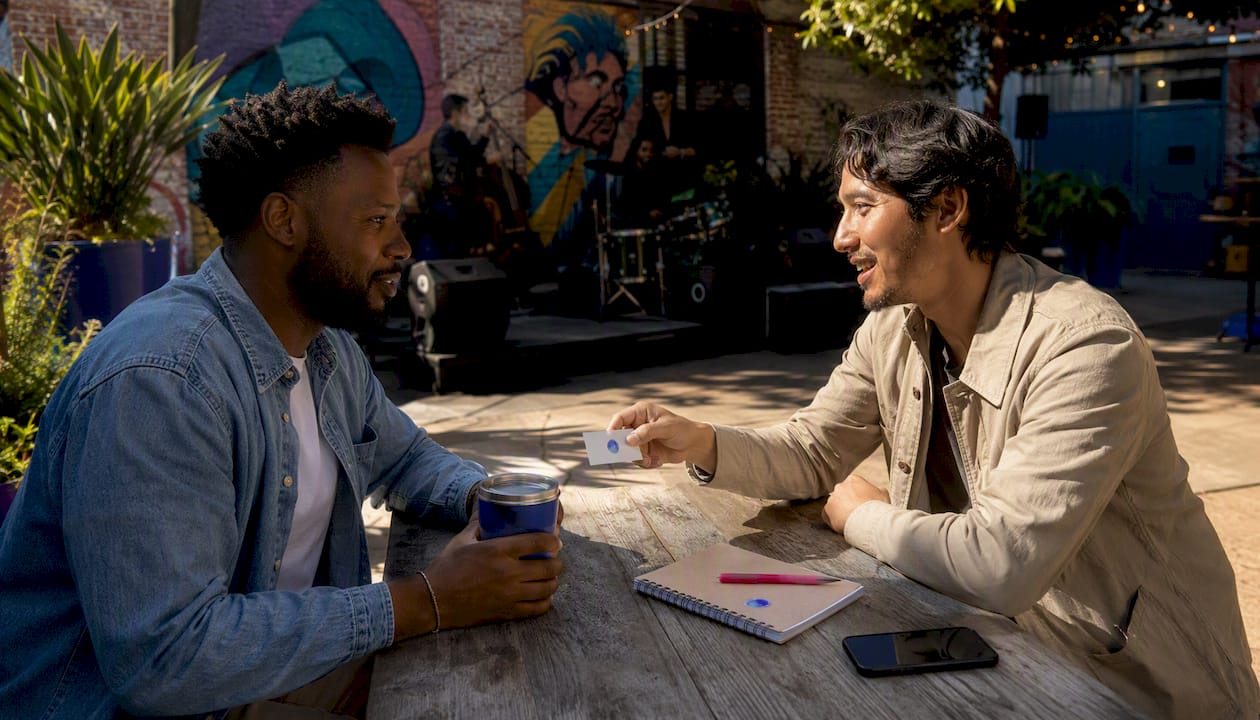
Most independent-level discovery comes through three paths: a promoter who already knows your music, a direct pitch backed by real numbers, or getting added to a bill through another band. The third path is the most underused.
Who to target first:
- Genre-specific promoters in your city
- Talent buyers at venues you want to play
- Established local acts one tier above you
- Campus event organizers (colleges book constantly and pay well)
- Community event coordinators and cultural festival organizers
Outreach sequence:
- Follow and genuinely engage with their content for two weeks before reaching out
- Send a short intro message (not a pitch yet) referencing something specific they've done
- After a response, send your EPK with local stats and a concrete ask
- Follow up once after seven days if you hear nothing
Do/don't for follow-up:
- ✅ Reference a specific show or project they worked on
- ✅ Offer something reciprocal (promote their event, bring your audience)
- ❌ Send the same template to 50 people in one afternoon
- ❌ Follow up more than twice without a response
For networking with local Colorado artists, the fastest path is showing up at shows you're not playing. Watch who's in the room. Talk to the sound engineer. Buy the headliner a drink. These moments build the relationships that lead to support slots and co-bills.
How can local business partnerships expand your reach?
Strategic partnerships with cafés, galleries, retailers, nonprofits, and schools produce repeated, defensible local exposure that most artists never tap. The key is framing your pitch around what you do for them, not what you need from them.
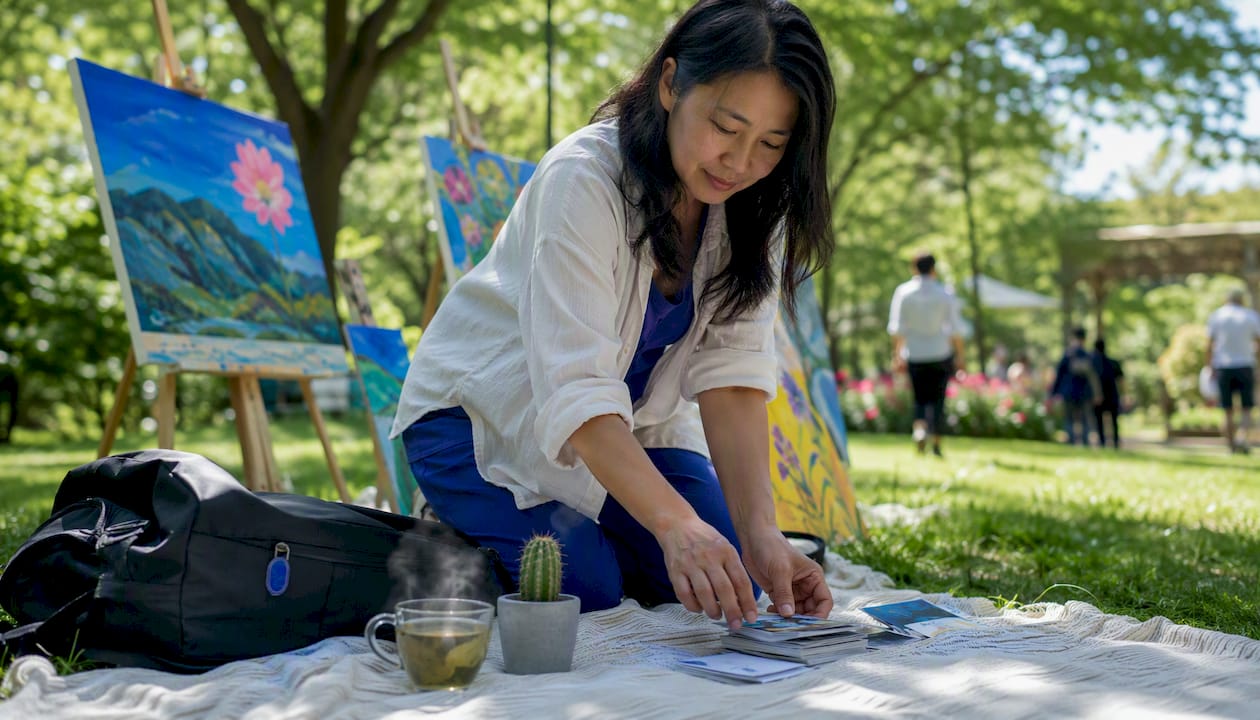
A coffee shop doesn't want to host a concert. But it does want more foot traffic on a slow Tuesday afternoon. Those two things can be the same event.
How to identify the right partners:
- Look for businesses that already host events or have open wall space
- Target places your existing fans already visit
- Prioritize spots with a regular, loyal customer base over high-traffic tourist locations
What to offer:
- ✅ A free 45-minute in-store acoustic set during a slow period
- ✅ A co-branded event (their name + yours on the flyer)
- ✅ A workshop or demonstration tied to your art form
- ✅ Revenue share on any merch or tickets sold on-site
Your pitch email to a local business should be three sentences: who you are, what you're offering, and what's in it for them. Attach one photo and one track link. Keep it under 100 words.
Registering for open-studio events creates multiple local SEO signals simultaneously, including press listings, event calendar entries, and visitor reviews. For visual artists especially, a single open-studio registration can generate more discoverability than months of social posting.
Pro Tip: After each partnership event, ask the business owner for a short written testimonial you can include in future pitches. Three sentences from a recognizable local business owner carry more weight than any follower count.
How do streaming and social platforms amplify your local visibility?
Social and streaming platforms are the discovery surface. Use them to amplify local proof and funnel people to your shows, not to replace the in-person work.
TikTok acts as a rapid discovery surface when content hits platform-specific conventions: short hooks in the first two seconds, repeatable sounds, and location tags. High reuse of a sound and strong early engagement are the signals that push content further.
Platform action steps:
- TikTok: Post 15–30 second clips from rehearsals, behind-the-scenes moments, and show recaps. Tag your city and venue. Use trending local sounds when they fit.
- Instagram: Use Reels for reach, Stories for daily connection, and your bio link for email list capture. Tag every local collaborator.
- YouTube Shorts: Repurpose your best TikTok content here. Longer-form live videos build credibility with bookers who search your name.
- Spotify: Claim your artist profile, keep releases consistent, and pitch to editorial playlists through Spotify for Artists. Local listener data is a credible stat to include in venue pitches.
- Bandcamp: Price your music accessibly, offer a "name your price" option, and use it as a direct local sales channel at shows.
Sample weekly posting rhythm:
- Monday: behind-the-scenes clip from rehearsal (TikTok + Reels)
- Wednesday: local event preview or collaboration announcement (Instagram Stories)
- Friday: show-day hype post tagging the venue (all platforms)
- Saturday night/Sunday: same-day show recap with location tag and fan photos
Pro Tip: The street-to-screen workflow is simple: capture every in-person interaction (a QR code scan, a business card, a DM from someone who saw your flyer) and publish a same-day social post tagging the location. This converts physical presence into digital proof, and digital proof into future bookings.
How do you get coverage from local press, radio, and playlists?
Targeted local press and radio add credibility that venues and partners notice. A mention in a neighborhood paper or a spin on community radio signals legitimacy in a way that follower counts simply don't.
Your press kit needs:
- ✅ A one-sheet (one page: bio, photo, best track links, local stats)
- ✅ One high-resolution photo (at least 300 dpi)
- ✅ Two or three track links (streaming + download)
- ✅ A short quote from a local venue or partner
- ✅ Your booking contact and social handles
Pitch timeline:
- Four weeks before a show or release: Research outlets (local blogs, alt-weeklies, community radio, neighborhood Facebook groups, event calendars)
- Three weeks out: Send a short pitch email (under 150 words) with your one-sheet attached
- Two weeks out: Follow up once if no response
- One week out: Submit to free event calendars (most local papers and city sites have them)
- Day of: Post on social and tag any outlet that covered you
For community radio, call the station directly and ask which host covers your genre. A personal connection beats a cold email every time. Local playlist curators on Spotify and Apple Music often respond to Instagram DMs faster than email.
Run a small experiment: pitch the same show to a local playlist curator and a neighborhood paper. Track which one drives more ticket sales or new email signups. That data tells you where to invest next time.
What does a realistic timeline and budget look like?
Expect measurable local momentum in 3–12 months with consistent effort. Modest budgets plus time deliver real results; the artists who stall are usually the ones who invest in one big push and then go quiet.
Typical costs to plan for:
- Demo recording: $200–$600 at a local studio
- Posters and flyers: $30–$80 per run (print-on-demand services like Canva + a local printer)
- Local social ads (Facebook/Instagram): $50–$150 per show campaign
- Basic EPK/website: free (Bandcamp, Linktree) to $15/month (Squarespace)
- Merch (first run of 25 shirts): $150–$300
30/90/180-day milestones:
- 30 days: Play two live shows, build your EPK, collect 25 email signups, post three times per week on one platform
- 90 days: Reach multiple paid shows (the milestone that proves concept and builds booking leverage), secure one local press mention, grow your email list by a substantial number of subscribers
- 180 days: Establish recurring venue relationships, secure festival or community event slots, and grow your monthly Spotify listeners in your metro area.
Metrics that actually matter:
- Show attendance (track the trend, not just the number)
- Email list size and open rate
- Local Spotify listeners (visible in Spotify for Artists)
- Number of confirmed bookings per month
What short case studies show local discovery working in practice?
Small, repeatable tactics produce outsized local outcomes. The artists who gain the most traction aren't doing anything exotic. They're showing up consistently, documenting it, and making it easy for people to follow along.
The musician who turned one open-mic into a residency
A Denver-based singer-songwriter played the same open-mic every Tuesday for six weeks. By week four, the host introduced her to the bar's talent buyer. She pitched a Thursday residency with a draw guarantee of 15–25 people. The venue said yes. Within three months, she had a recurring monthly slot, a 150-person email list, and two support-slot offers from other local acts. The key: she brought a sign-up sheet every week and posted a 30-second recap clip the same night.
The visual artist who used open-studio events to build a collector base
A Colorado painter registered for an open-studio trail, which generated listings in four local event calendars and a mention in a neighborhood arts blog. She created a dedicated event page with a "request a studio visit" button. Over two open-studio weekends, she collected 60 email addresses and sold three commissions directly from visitors who found her through the calendar listings.
The mixed-event creator who partnered with a local nonprofit
A performance artist approached a local nonprofit running a community health fair. She offered a 20-minute interactive dance demonstration as part of their programming. The nonprofit promoted the event to their 800-person email list. She gained 40 new followers, three partnership inquiries, and a feature in the nonprofit's newsletter. Mixed-art live events like this one consistently outperform solo promotional pushes because the partner's audience is already warm and engaged.
Pro Tip: After your first successful show at a venue, immediately ask the talent buyer: "Is there a date in the next 60 days I could come back?" One show becomes a run when you ask the question in the room, not two weeks later by email.
How do local music unions and artist collectives support your career?
Local music unions and artist collectives give independent artists access to resources, advocacy, and networks that are genuinely hard to build alone. The American Federation of Musicians (AFM) is the primary union for professional musicians in the United States, with local chapters in most major cities. Membership provides contract templates, wage scales for live performances, and legal support for disputes with venues or promoters.
Artist collectives work differently. They're typically informal, genre-specific, or community-based groups that pool resources for shared shows, group marketing, and peer mentorship. In Colorado, collectives often organize around specific neighborhoods, genres, or cultural identities, and they frequently co-produce events that individual members couldn't afford alone.
Practical ways to engage:
- Attend one AFM local chapter meeting to understand the contract standards in your market
- Search Facebook Groups and Meetup for local artist collectives in your genre
- Offer to contribute something specific (design, promotion, a support slot) before asking for anything
- Use collective connections to get on bills, share rehearsal space, and split marketing costs
Collectives also provide a reality check. Other artists in your community know which venues pay fairly, which promoters are reliable, and which opportunities are worth your time.
What legal and licensing basics do local performers need to know?
Local performances involve a few legal and licensing areas that are worth understanding before you book your first paid show.
Performance rights and royalties: If you perform cover songs live, the venue is typically responsible for holding a performance license from ASCAP, BMI, or SESAC. You don't need to obtain this yourself, but confirming the venue is licensed protects you from liability.
Original music licensing: When you collaborate with another artist or license your original music to a business (for a commercial, a retail playlist, or a film), a written agreement is standard. At minimum, document who owns what percentage of the work and how royalties are split.
Contracts for live shows: Always get your booking agreement in writing, even for small shows. A simple contract should cover your performance fee, load-in time, set length, sound check, and cancellation terms. The AFM offers standard contract templates for members.
Business structure: If you're earning income from performances, registering as a sole proprietor or LLC in your state clarifies tax obligations and protects personal assets. The IRS treats performance income as self-employment income, subject to self-employment tax.
Venue permits: For house shows or self-produced events, check your city's noise ordinance and event permit requirements. Requirements vary significantly by municipality.
This is general information, not legal or financial advice. Confirm current rules with a qualified attorney or your local AFM chapter before signing contracts or structuring your business.
Key Takeaways
Local discovery accelerates fastest when you combine consistent live performance with a repeatable street-to-screen workflow, targeted outreach, and at least one community partnership running at all times.
| Point | Details |
|---|---|
| Live shows drive conversion | Consistent gigging with a 15–25 person draw estimate converts platform reach into real bookings. |
| 10 paid shows is the milestone | Reaching 10 paid shows proves concept, teaches audience behavior, and builds booking leverage. |
| Street-to-screen workflow | Capture contacts at every event and post a same-day social recap tagging the venue to convert presence into digital proof. |
| 3–12 month realistic timeline | Measurable local momentum takes 3–12 months of consistent effort; 30/90/180-day milestones keep you on track. |
| Experiencebylocals for Colorado artists | List your shows on Experiencebylocals to reach local audiences actively searching for authentic live music, dance, comedy, and theater in Colorado. |
What actually works for local artists (and what most people get wrong)
Most advice about local artist promotion focuses on the discovery side: post more, pitch more, play more. What gets underemphasized is the conversion side, and that's where most artists quietly stall.
Here's what I see repeatedly: artists treat venues as talent scouts. They show up, play a great set, and wait to be "discovered." But venues aren't in the discovery business. They're in the seat-filling business. The artists who get called back are the ones who made the talent buyer's job easier, brought their own crowd, and asked for the next date before they left the building.
The same logic applies to social media. Posting consistently is table stakes. What separates artists who convert followers into ticket buyers is specificity: tagging the exact venue, naming the neighborhood, posting the same night while the energy is still live. Generic content gets scrolled past. Local, specific, timely content gets shared by the people who were in the room.
One more thing: the handshake factor is real, and it compounds. Every in-person interaction you have in your community, whether at a Chamber of Commerce meeting, a gallery opening, or a neighbor's backyard barbecue, is a potential discovery moment. The artists who grow locally are the ones who treat every room as a room worth being in.
Experiencebylocals connects local artists with audiences ready to show up
If you're a local artist in Colorado looking for real audiences, not just followers, Experiencebylocals is built for exactly this. The platform connects community artists directly with locals and visitors who are actively searching for authentic live music, dance, comedy, and theater experiences. You're not competing with arena tours or tourist traps. You're showing up in front of people who specifically want what you offer.
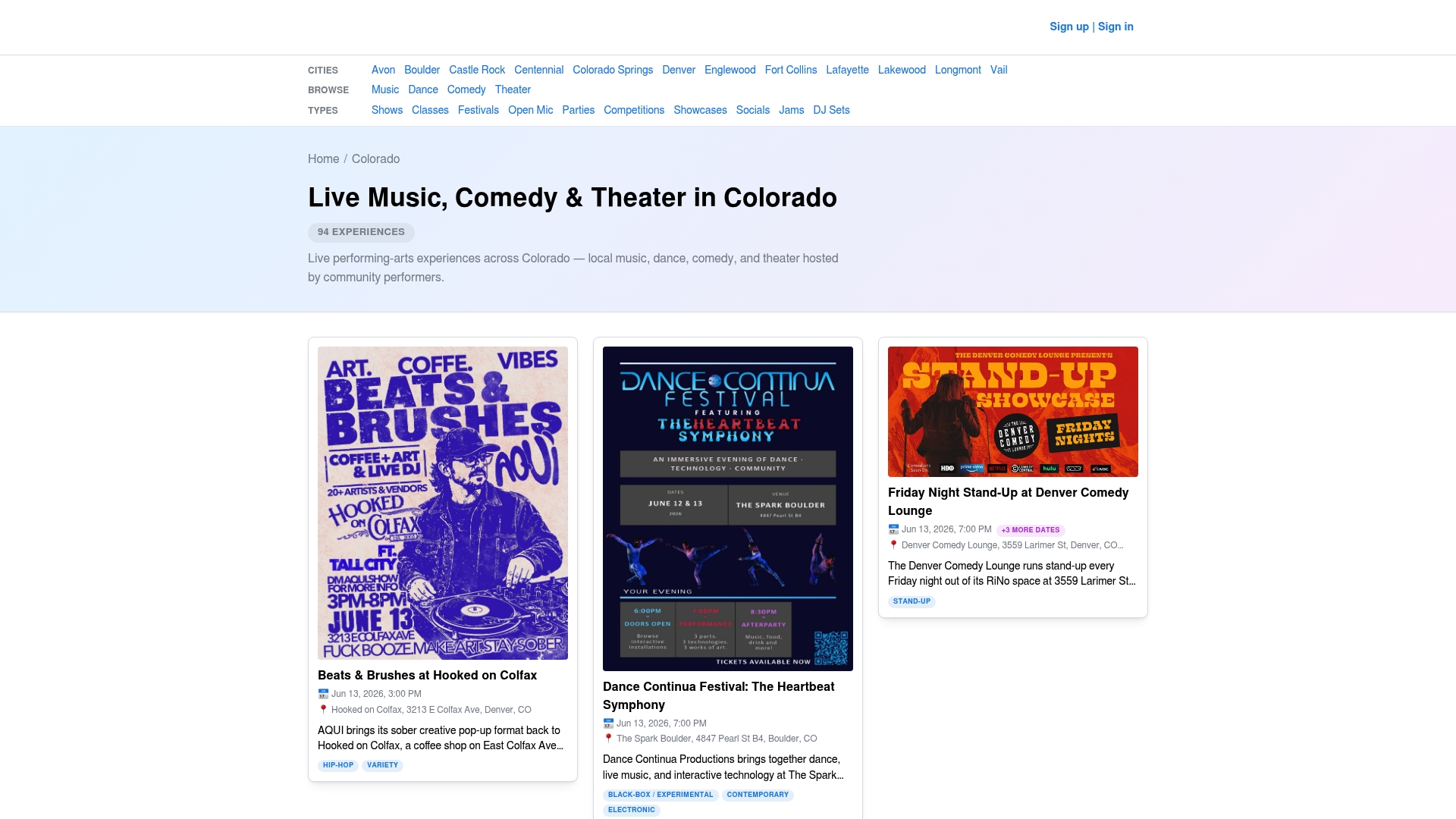
Listing your event on Experiencebylocals takes minutes. Add your show details, set your ticket price, and the platform handles discovery, ticketing, and referral. Your event appears in live music searches across Colorado, reaching an audience that's already in buying mode. Whether you're booking a listening room set in Denver, a dance showcase in Longmont, or a comedy night anywhere in the state, the platform puts your event in front of the right people at the right time. Head to Experiencebylocals and list your next show today.
Further reading and resources
These sources were selected for being local-first, practitioner-based, and directly applicable to independent artists building a community presence.
- How Artists Actually Get Discovered Now — Music.co.uk's overview of modern discovery pathways, covering TikTok, live performance, and demos.
- How to Get Gigs as a Musician — Bandry's practical guide to booking shows without a booking agent, with pitch templates and draw strategies.
- How to Book Your First 10 Paid Shows — Thrive Indie's step-by-step breakdown of the 10-show milestone and what it unlocks.
- Local SEO for Visual Artists — Art World Marketing's guide to open-studio events and local discoverability for visual artists.
- How Creatives Can Get Discovered and Start Earning — Flapper Press's practical workflow for turning in-person interactions into digital leads.
- Local Hero Strategy Marketing — ArtistRack's breakdown of the handshake factor and in-person partnership tactics.
- Why Independent Artists Are Winning in 2026 — QuickRapReview's industry perspective on what's working for independent artists right now.
- Book Local Performance Venues in Colorado — Experiencebylocals's complete guide to venue selection and what venues look for in Colorado.
- How to Network with Local Colorado Artists — Experiencebylocals's practical networking guide for community engagement in Colorado.
- Find Local Art Events Near You — Tools and techniques for discovering local opportunities and event calendars.
- Experiencebylocals Platform — The primary platform for listing and discovering live music, dance, comedy, and theater events across Colorado.