
How Dance Events Shape Cultural Tourism Worldwide
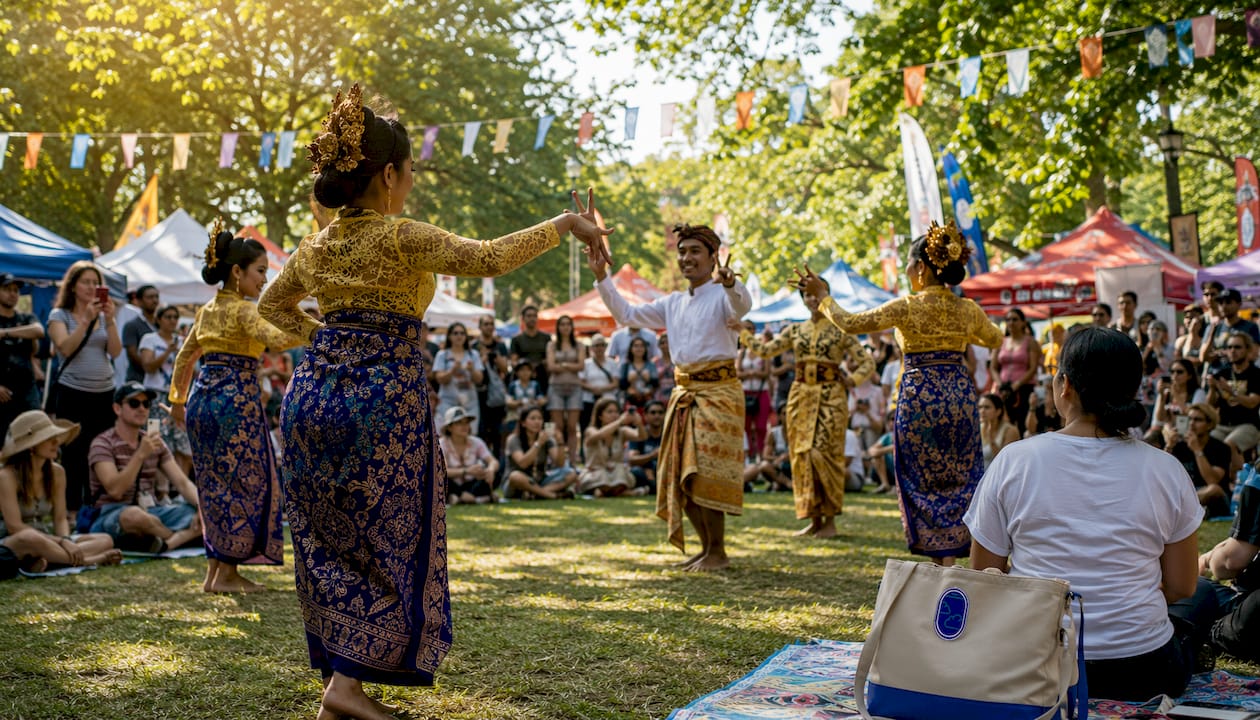
Dance events are cultural tourism's most powerful catalyst
Dance events sit at the intersection of art, identity, and economic opportunity. They are not simply entertainment. They are one of the most effective tools destinations have for attracting visitors, building community pride, and preserving living traditions. Research confirms that dance festivals drive tourism by increasing regional recognition, integrating residents with visitors, and generating revenue across hospitality, retail, and the arts.
Here is what the evidence shows at a glance:
- ✅ Dance festivals increase tourist numbers and sharpen a destination's identity
- ✅ They generate seasonal revenue for artisans, food vendors, and local businesses
- ✅ They serve as platforms for intangible cultural heritage, often aligned with UNESCO frameworks
- ✅ They shift tourism from passive sightseeing to active, participatory cultural exchange
- ✅ They build place identity and foster genuine connections between locals and visitors
- ✅ Large-scale events attract media attention and infrastructure investment, strengthening territorial branding
The role of dance events in cultural tourism is both cultural and commercial. A single well-organized festival can put a city on the map, fill hotel rooms, and give a community a story worth telling. The sections ahead unpack exactly how that happens.
How dance culture integrates with the tourism industry
Dance is one of the oldest forms of human communication, and it travels well. When a destination weaves dance into its tourism offerings, it creates something visitors cannot get from a guidebook or a museum exhibit. They get to feel the culture.
The most effective integration happens when dance moves beyond the stage. Workshops, street performances, and participatory events pull visitors into the experience rather than leaving them as spectators. Dance competitions and events shift tourism from passive sightseeing to active participation, invigorating destinations and giving travelers a reason to stay longer and return.
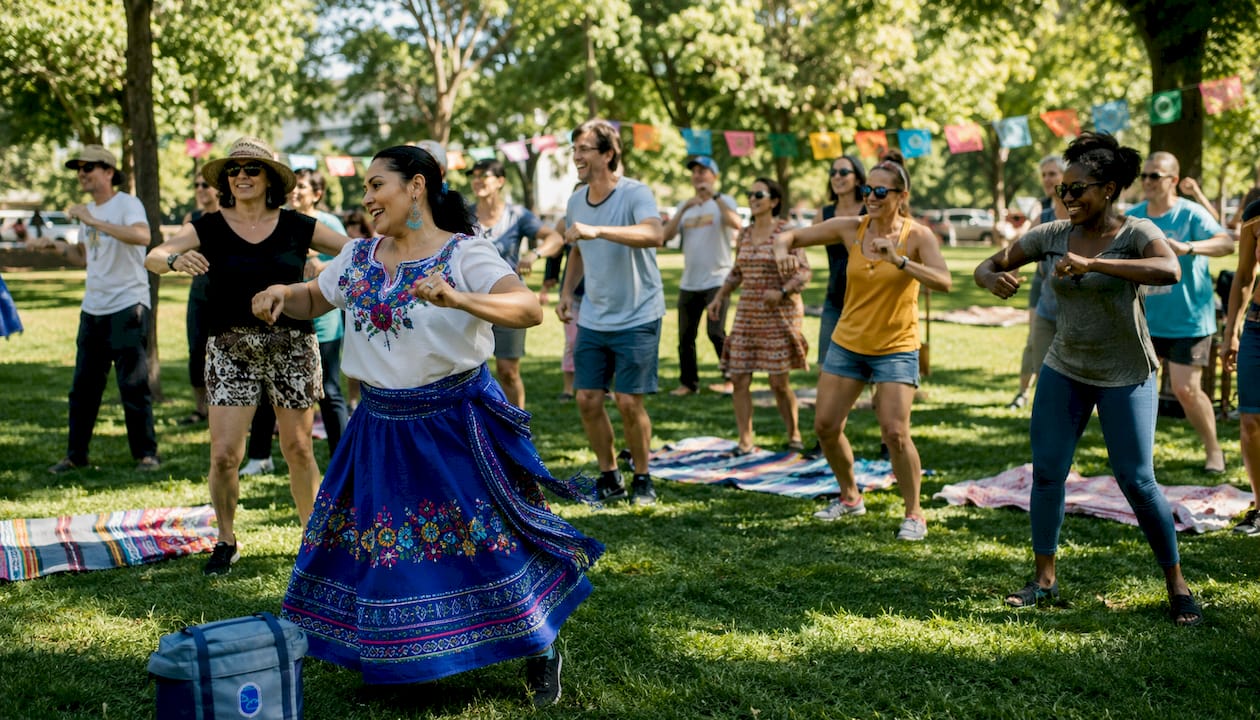
Consider how folk dance festivals organized under CIOFF (Conseil International des Organisations de Festivals de Folklore et d'Arts Traditionnels) operate across nearly 90 countries. Groups travel internationally to perform and learn, and their trips blend heritage tourism, cultural exchange, and artistic education into a single experience. Traveling becomes a reason to participate in dance classes, and dance classes become a reason to travel.
Pro Tip: If you are designing a cultural tourism program, pair ticketed performances with free public workshops. Participation converts curious visitors into invested guests who spend more time and money in your destination.
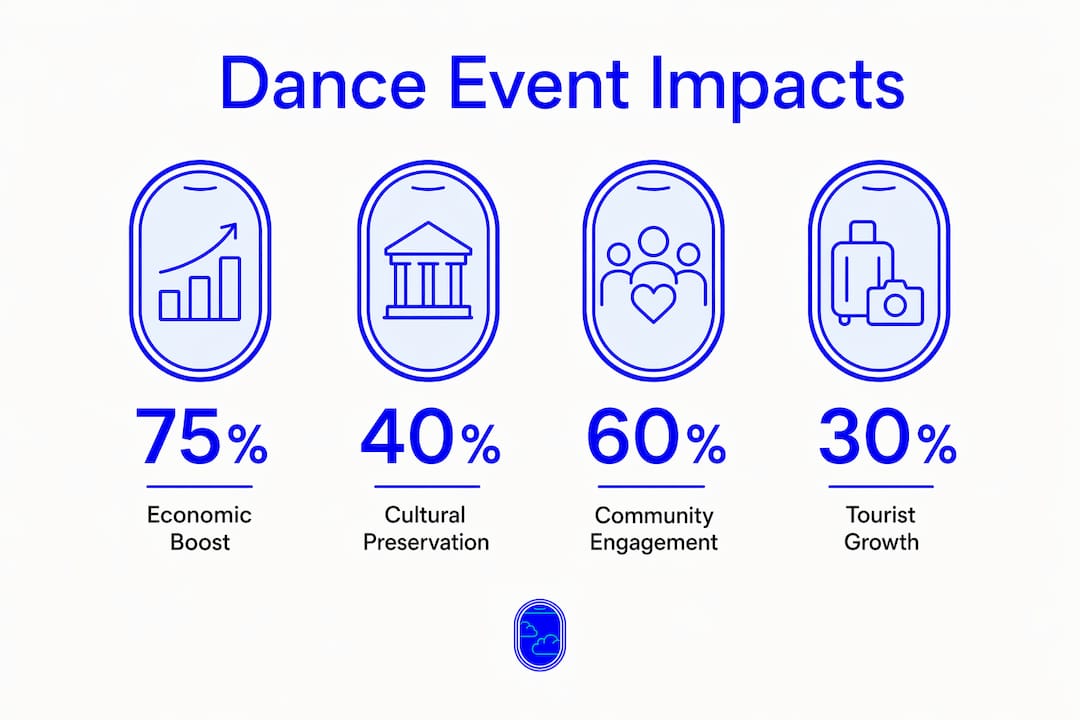
Dance also adds educational value that other tourism products struggle to match. A visitor who learns a traditional step, even briefly, leaves with a memory tied to the body. That kind of experience is far more likely to generate word-of-mouth than a pamphlet or a photo op. Platforms like Experiencebylocals understand this instinctively, connecting audiences with local dance creators who bring authentic cultural stories to life.
Economic impacts of dance events on destinations
Dance festivals are economic engines, and the numbers behind them tell a clear story. Research on dance festivals as economic intersections shows that events like the Khajuraho Dance Festival, the Konark Dance Festival, and the Natyanjali Dance Festival in India generate economic value well beyond ticket sales. They stimulate hospitality spending, create employment for artists and support staff, and attract private sponsorship and government investment into regional infrastructure.
The National Festival of Dance Music (OFMT) in Ostróda, Poland, offers one of the most thoroughly documented cases. Survey data from festival participants found that A very high proportion of OFMT survey respondents confirmed the festival influences the recognition and development of the tourist base of Ostróda Municipality. That strong consensus reflects how deeply a single recurring event can anchor a city's economic identity.
Oman's "Return of the Past" event illustrates a different model. During the khareef season in Dhofar, traditional performances and artisan markets combine to create seasonal revenue streams for local craftspeople, food vendors, and small businesses. The event does not just attract tourists. It activates an entire local economy during a specific window of the year.
Large-scale dance events also attract infrastructure investment and media coverage that benefits destinations long after the festival ends. When a city becomes associated with a signature event, that association draws visitors even in off-peak months. The economic case for investing in dance events is not speculative. It is well-documented across multiple continents and cultural contexts.
How dance events preserve and promote cultural heritage
Dance is one of the most fragile forms of cultural heritage. It lives in bodies, not buildings. When the people who carry a tradition stop practicing it, the tradition disappears. Dance festivals create the conditions for that knowledge to survive and travel across generations.
UNESCO's frameworks for intangible cultural heritage recognize this directly. Festivals like the Kizilsu Epic Manas festival emphasize cultural transmission and attraction through branded events, systematically protecting traditions while making them accessible to tourists and younger generations alike. The branding is not incidental. It is part of how a tradition stays alive in a world full of competing distractions.
The relationship between heritage and tourism is not without tension, though. Folk dance festivals can create what researchers describe as a double-edged effect:
- ✅ They give traditions a public stage and a new audience
- ✅ They generate funding that supports practitioners and community organizations
- ⚠️ Commercial pressure can push organizers to simplify or sensationalize sacred forms
- ⚠️ Without community involvement in planning, festivals risk diluting the very culture they celebrate
The solution, supported by research on folk dance festivals, is consistent: keep the community at the center of the planning process. When local practitioners shape the event, authenticity holds. When outside commercial interests dominate, the cultural meaning erodes.
Anthropological perspectives on dance heritage emphasize that authenticity is not about freezing a tradition in amber. Living cultures evolve. The goal is to let that evolution happen on the community's terms, not the tourism industry's. Festivals that get this balance right become genuinely enriching experiences for visitors and a source of pride for the communities hosting them. You can explore how dance shapes cultural expression more deeply through resources that center local artists and their stories.
Social and community roles of dance events in tourism
Dance events do something that few other tourism products can: they make locals and visitors want to be in the same room. That shared space is where real cultural exchange happens.
Research on the OFMT festival found that a substantial proportion of respondents felt the event positively integrates residents with tourists. That finding reflects something most destination managers already sense but rarely measure. When a festival creates genuine mixing between the people who live somewhere and the people visiting, both groups leave with something they did not have before.
Participatory dance tourism takes this further. Rather than watching a performance from a seat, visitors join in. They learn a step, share a floor, laugh at their own mistakes alongside strangers. Dance and exercise competitions activate local vitality and immerse tourists in the kind of participatory culture that generates lasting memories and repeat visits.
- Dance events build place identity by giving a destination a living, moving symbol of who its people are
- They create low-barrier entry points for intercultural dialogue, since movement crosses language gaps
- Pop-up and promenade-style formats, like the Folklore Promenade at Zagreb's International Folklore Festival, bring dance into public spaces and encourage spontaneous, meaningful encounters
- ✅ Community-centered events build belonging for residents, not just experiences for visitors
Marketing strategies that work for dance events in cultural tourism tend to share one quality: they lead with the community story, not the spectacle. Social media, particularly platforms where short video thrives, gives dance events a natural promotional advantage. The OFMT in Ostróda found Facebook to be its most effective promotional channel, a reminder that organic community sharing often outperforms paid advertising for events rooted in local culture.
Pro Tip: Encourage attendees to share their participatory moments, not just the polished performances. A visitor learning a folk step is more shareable and more authentic than a professional stage shot.
Experiencebylocals is built around exactly this philosophy. By connecting audiences with local creators in Colorado, the platform turns cultural events into genuine community experiences rather than tourist transactions. If you want to understand how social dance experiences work as a form of community connection, that lens applies directly to how dance events function within tourism.
⚠️ Challenges dance events face in attracting tourists
Dance events carry real power, but they also face real obstacles. Understanding those barriers is the first step toward overcoming them.
Visibility and discoverability
Many dance festivals, especially those rooted in local or indigenous traditions, struggle to reach audiences beyond their immediate region. Without strong digital marketing, a festival can be extraordinary and still go unnoticed by the travelers most likely to love it. The OFMT's success with Facebook-driven promotion points to a broader truth: events that invest in digital communication attract visitors from farther away and build recognition that compounds over time. Large-scale dance events that integrate digital communication tools consistently outperform those that rely on traditional outreach alone.
Funding and sustainability
Organizing a dance festival requires sustained investment in artists, venues, logistics, and promotion. Many community-based events depend on public funding that can be inconsistent from year to year. Private sponsorship helps, but it introduces the commercial pressures that can compromise cultural authenticity. Finding the right funding mix, one that keeps the community in control while covering real costs, is one of the most persistent challenges festival organizers face.
Balancing authenticity with accessibility
Tourists want an authentic experience. Communities want their traditions respected. Those two goals are usually compatible, but not always. When a festival simplifies a sacred dance form to make it more "accessible," it risks offending the community it is supposed to celebrate. The Nongkrem Dance Festival of the Khasi people in Meghalaya illustrates this tension directly. Promoting the festival as a tourist destination while preserving its sacredness requires ongoing negotiation between local authorities, tourism officials, and community members.
Seasonality and geographic reach
Many dance festivals are tied to specific seasons or cultural calendars, which concentrates tourist traffic into narrow windows. Destinations that rely heavily on a single annual event can struggle with off-season visitor numbers. Diversifying the event calendar, adding smaller pop-up performances and workshops throughout the year, helps spread the economic and social benefits more evenly. Event production partners like U La La Creative Production demonstrate how professional event design can extend a destination's cultural calendar beyond a single flagship moment.
Competition for tourist attention
Cultural tourism is a crowded space. Dance events compete not only with other festivals but with every other experience a destination offers. Events that fail to communicate their unique cultural value clearly tend to lose out to better-marketed alternatives. The destinations that win are those that tell a specific, honest story about who they are and why their dance tradition matters.
Key Takeaways
Dance events are among the most effective tools a destination has for building cultural tourism, generating economic activity, and preserving living heritage traditions.
| Point | Details |
|---|---|
| Economic impact is documented | A very high proportion of OFMT survey respondents confirmed the festival develops Ostróda's tourist base. |
| Community integration is measurable | A substantial proportion of OFMT respondents said the festival positively integrates residents with tourists. |
| Heritage preservation requires community control | Folk dance festivals risk diluting sacred traditions without local involvement in planning. |
| Participation beats observation | Dance events that invite visitor participation generate deeper engagement and repeat visits. |
| Digital promotion drives reach | Events integrating digital communication tools build broader recognition and attract more visitors. |
Experience authentic dance culture with Experiencebylocals
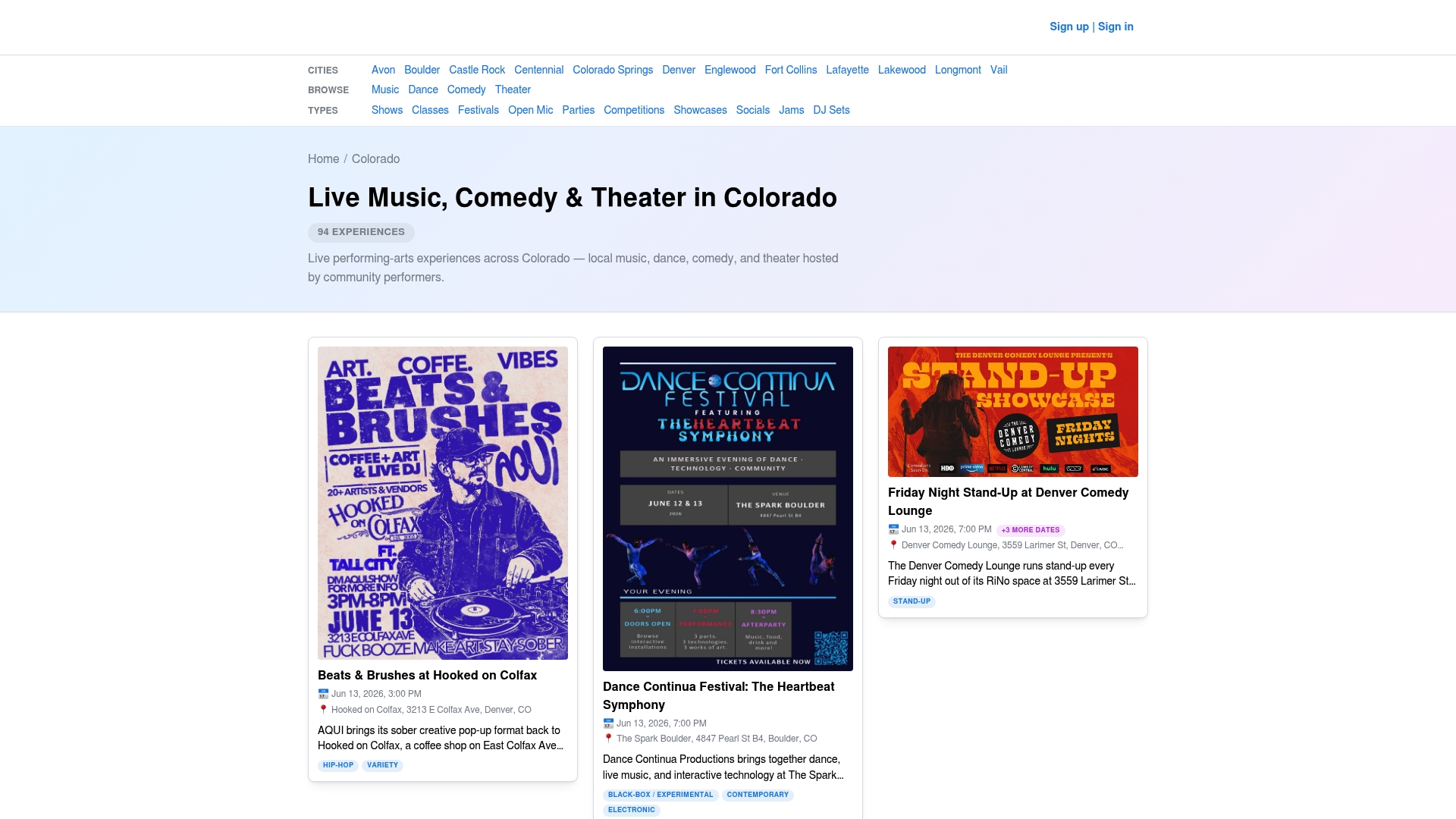
If reading about the power of dance events has you wanting to experience one firsthand, Colorado has a thriving scene worth exploring. Experiencebylocals connects you with real local artists, from modern dance performances to community-rooted cultural events, all hosted by the creators who live and breathe this work.
Whether you are a visitor looking for something genuine or a local ready to discover what your own community has to offer, live dance performances in Colorado are a great place to start. These are not tourist-trap shows. They are the real thing, organized by artists who care about their craft and their community.