
Experiential Travel Explained: What It Really Means
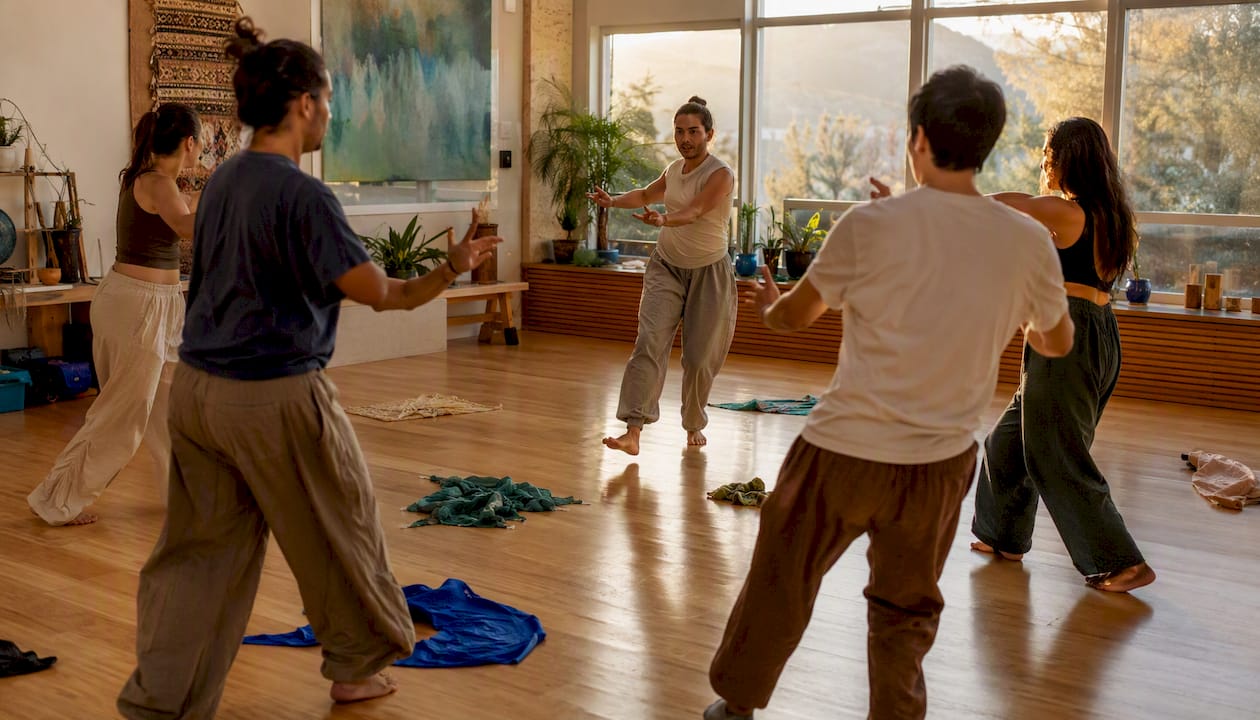
Experiential travel means actively participating in a destination's culture, community, and daily life rather than simply observing it from a distance. Wikipedia defines it as tourism where people meaningfully engage with a place's history, people, food, and environment, with participation as the defining feature. Think cooking alongside a home cook in their kitchen, joining a community dance night, or attending a grassroots music series hosted by local artists — not just watching a city scroll by from a tour bus window.
Here is what that means for you right now:
- Core features to look for: local host interaction, hands-on activity, sensory engagement, unscripted time, and genuine relationship building
- Your easiest next step: book one participatory local event this weekend, whether that is a live music night, a dance workshop, or a community theater show
You will recognize an experiential opportunity by one simple test: are you doing something alongside locals, or watching something designed for tourists?
Key Takeaways
Experiential travel is defined by active participation in local culture, and research links that participation to measurable gains in wellbeing, personal growth, and lasting memories.
| Point | Details |
|---|---|
| Participation is the defining line | Experiential travel means doing something alongside locals, not watching something designed for tourists. |
| Five research-backed dimensions | A 2026 Frontiers study linked meaningful tourism to pleasure, freedom, growth, creating memories, and examining life. |
| Local live events are a low-barrier entry | Community music nights, dance workshops, and theater shows deliver the core experiential features without requiring travel abroad. |
| Ethical vetting matters | Choose small-group, community-led experiences and confirm that local hosts are fairly compensated before you book. |
| Experiencebylocals connects you to Colorado creators | The platform lists bookable local live music, dance, and theater events hosted by community artists across Colorado. |
Table of Contents
- What is experiential travel, and what makes a trip truly experiential?
- What are the main types of experiential travel?
- What benefits do travelers actually gain from experiential travel?
- What does experiential travel actually look like in the U.S.?
- How do you plan and book an experiential trip?
- What are the ethical risks of experiential travel?
- How does experiential travel differ from transformative, cultural, and adventure travel?
- What does the research say, and how do U.S. examples connect?
- When experiential travel is the right choice — and when it is not
- Real local experiential events, ready to book in Colorado
- Sources
What is experiential travel, and what makes a trip truly experiential?
The line between a regular trip and an experiential one comes down to a single behavior: participation. TravelSalesIQ's industry guide frames this as the defining commercial distinction, and it holds up in practice. A traveler who watches a flamenco performance in a theater is a tourist. One who joins a community dance class led by a local instructor is an experiential traveler.
Several specific features work together to create that shift:
- Local host interaction: a real person from the community guides the experience, not a scripted tour operator
- Hands-on activity: you make, move, cook, build, or perform something yourself
- Sensory engagement: the experience involves taste, sound, touch, or physical movement, not just visual input
- Unscripted time: the itinerary has breathing room for spontaneous encounters and unexpected conversations
- Relationship building: you leave with a connection to a person or place, not just a photo
🎯 Statistic callout: National Geographic reports growing traveler interest in less-touristy, experience-focused trips, framing immersive activities as the mechanism for forging deeper destination connections.
The wellbeing research backs this up. A 2026 Frontiers psychology study found that meaningful tourism experiences map to five dimensions — pleasure, freedom, growth, creating memories, and examining life — and that those dimensions were associated with increases in both eudaimonic and hedonic wellbeing in the study samples. Participation is what activates those dimensions. Observation rarely does.
What are the main types of experiential travel?
Experiential travel is not one thing. It covers a wide range of styles, and knowing which type fits your interests and budget makes planning much easier.
-
Cultural immersion: living with or alongside a local community, attending neighborhood celebrations, or learning a traditional craft from a practitioner. A weekend in a small Colorado mountain town attending a community-run folk festival is a low-cost entry point.
-
Culinary and food travel: cooking classes with local chefs, market tours, or farm-to-table dinners hosted by the grower. A single afternoon at a hands-on pasta or tamale class costs far less than a multi-day retreat and delivers the same participatory core.
-
Nature and adventure: guided conservation hikes, wildlife monitoring, or kayaking with a local naturalist. These tend to require more physical preparation and often carry higher costs than urban options.
-
Volunteer and purpose-driven travel: habitat restoration, community building projects, or teaching programs. These typically run two weeks or longer and require advance vetting of the host organization to avoid "voluntourism" pitfalls.
-
Creative, artistic, and learning experiences: pottery studios, printmaking workshops, improv comedy classes, or songwriting circles. Many U.S. cities offer these as single-session bookings, making them ideal for weekend trips.
-
Community-led live experiences: local live music nights, grassroots theater productions, social dance events, and open mics hosted by artists in their own spaces. These are often the most affordable and most immediate form of experiential travel, and they are available in nearly every U.S. city.
Pro Tip: Before you book, pick one "feeling" you want to leave with — rested, adventurous, or socially connected. Then reject any activity that does not serve that feeling. This single filter cuts out superficial interactions and keeps your itinerary honest.
What benefits do travelers actually gain from experiential travel?
The short answer: experiential travel links to wellbeing, personal growth, and memories that last far longer than a standard vacation. The 2026 Frontiers study on meaningful tourism experiences identified five dimensions that connect participation to measurable wellbeing outcomes.
| Dimension | What it means in practice |
|---|---|
| Pleasure | Positive emotions during the experience itself |
| Freedom | A sense of autonomy and choice in how you engage |
| Growth | Learning something new or developing a skill |
| Creating memories | Forming vivid, story-worthy moments tied to real people |
| Examining life | Gaining perspective on your own values and priorities |
Beyond the research dimensions, travelers consistently report these practical gains:
- Stronger empathy: spending time inside another community's daily rhythm builds genuine understanding, not just sympathy
- Transferable skills: a cooking class, a dance workshop, or a craft residency leaves you with something you can actually use at home
- Long-term wellbeing: AARP's research on travel and health outcomes links social and leisure engagement during travel to positive health outcomes, particularly for older adults
- Richer memories: experiences tied to active participation and social connection are encoded more deeply than passive sightseeing
UnitedHealthcare notes that experiential travel is especially popular with Millennials and Gen Z, and connects those choices directly to wellness-minded travel preferences. That is not a coincidence. When you participate rather than observe, you give your brain more to hold onto.
What does experiential travel actually look like in the U.S.?
Here is where the concept gets real. Experiential travel does not require a passport or a long-haul flight. Some of the most genuine examples are happening in your own region right now.
🎶 "The most memorable travel experiences often happen not at famous landmarks, but in the unscripted moments — a conversation with a musician after a show, a dance class where you are the only tourist in the room, a market where the vendor tells you the story behind what they made."
- A community theater production performed outdoors in a Colorado park, where the cast includes local actors and the audience sits on blankets, is experiential travel for anyone who drove two hours to be there.
- A grassroots music night hosted by an independent venue, featuring artists who live in the neighborhood, delivers the local-connection dimension that a stadium concert never can. Experiencebylocals lists events like Summer Fest with The Copper Children at The Roots Collective that fit this description exactly.
- A hands-on dance workshop led by a community instructor, where you learn choreography alongside regulars, is a participatory experience that checks every box: local host, hands-on activity, sensory engagement, and relationship building.
- A Broadway Art Market at The Goldfinch in Colorado, where local makers sell and explain their craft directly to visitors, turns shopping into a cultural exchange.
- Globally, a village homestay in Oaxaca where you grind corn with the family, or a conservation patrol with a local ranger in Costa Rica, shows the same participation-first logic at a different scale.
The Experiencebylocals mixed-art live events guide offers eight real Colorado examples that illustrate how community-hosted events function as accessible, local experiential travel.
How do you plan and book an experiential trip?
Intention-setting is the most underrated planning step. Without a clear sense of what you want to feel or learn, you will fill your itinerary with activities that look good on paper but leave you feeling like a checklist tourist.
Here is a practical planning sequence:
- Set your intention first. Choose one feeling or goal: curious, connected, rested, skilled. Every activity you book should serve that filter.
- Choose one or two anchor activities per day. A hands-on class or a live performance is enough. Leave the rest of the day unscheduled so spontaneous local encounters can happen.
- Book local hosts and venues directly. Search for community-run spaces, artist-led workshops, and independent venues rather than large tour operators.
- Learn 20–30 relevant phrases or local etiquette cues if you are traveling to a community with a different language or cultural norms. Even a few words signal respect and open doors.
- Run a safety and accessibility check. Confirm the venue is accessible for your needs, check cancellation policies, and verify the host's credentials or community reputation.
- Ask these questions before you book: Who benefits financially from this experience? How many people are in the group? Is the host a genuine community member or a commercial intermediary?
Timeline and cost shapes by trip length:
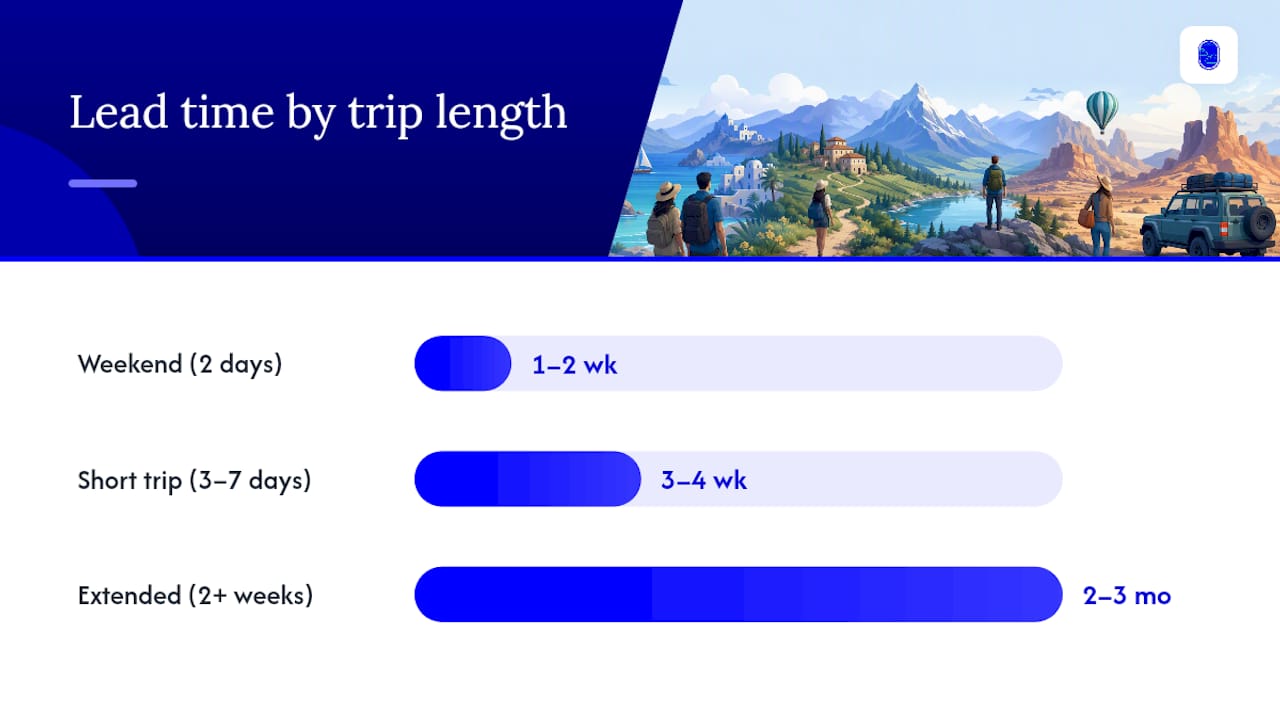
- Weekend (2 days): One anchor activity per day, low booking lead time (1–2 weeks), cost typically $30–$150 per experience for local live events, workshops, or classes.
- 3–7 days: Two or three anchor experiences, mix of live events and hands-on classes, book 3–4 weeks ahead for popular workshops.
- 2+ weeks: Volunteer programs, residencies, or deep cultural immersions require 2–3 months of lead time and can range from budget homestays to premium guided programs.
Pro Tip: Try one hour without your camera during a live performance or workshop. Research on memory consolidation suggests that active presence, rather than documentation, strengthens how vividly you recall an experience later.
What are the ethical risks of experiential travel?
Experiential travel done carelessly can cause real harm, and the industry is honest about this. The main risks are over-tourism, cultural appropriation, commodification of local life, economic leakage (where money flows to outside operators rather than the community), and staged authenticity where a "local" experience is actually a performance designed for tourist consumption.

Spotting red flags takes practice. Watch for experiences marketed with language that fetishizes poverty or frames local people as props for your personal growth. Be skeptical of any operator who cannot tell you clearly how local hosts are compensated. Large group sizes are another signal: a cooking class with 40 participants is rarely a genuine cultural exchange.
Responsible practices that actually work:
- Pay local hosts fairly and tip generously when the experience is community-led
- Prioritize small-group or one-on-one formats over mass-market "immersion" packages
- Follow your host's guidance on photography, especially in sacred or private spaces
- Choose operators who are transparent about where ticket revenue goes
Pro Tip: Before booking, search the host's name or venue alongside the words "community" or "local artist" to see whether they appear in neighborhood press, local arts listings, or community social media — not just on travel aggregator sites. Authentic hosts leave community footprints.
A brief safety note: always share your itinerary with someone at home, confirm venue addresses independently, and check U.S. State Department travel advisories if you are heading abroad.
How does experiential travel differ from transformative, cultural, and adventure travel?
The difference rests on focus. Experiential travel centers on participation and immersion in the present moment. Transformative travel aims for longer-horizon identity or value change. Cultural tourism prioritizes learning about heritage. Adventure travel emphasizes physical intensity. These categories overlap, but the distinctions matter when you are setting expectations for a trip.
| Category | Focus | Typical timeframe | Design intention | Traveler goal |
|---|---|---|---|---|
| Experiential travel | Active participation and local connection | Hours to days | Immersion and engagement | Feel connected, learn by doing |
| Transformative travel | Personal identity or value shift | Days to weeks | Reflection and challenge | Change a belief or behavior |
| Cultural tourism | Heritage, history, and arts appreciation | Hours to days | Education and observation | Understand a place's past |
| Adventure travel | Physical challenge and natural environments | Days to weeks | Intensity and skill | Push physical limits |
The MDPI state-of-the-art review warns that "experiential" has drifted into a vague marketing term in industry usage, and recommends clearer evaluation standards. That conceptual drift is worth knowing about: when a tour operator calls something "experiential," ask what you will actually do, not just see.
A quick illustration: attending a guided tour of Mesa Verde is cultural tourism. Joining a Pueblo pottery workshop led by a community member at the same site is experiential travel. Spending three weeks at a retreat designed to shift your relationship with work is transformative travel. A multi-day whitewater rafting expedition in the Colorado River is adventure travel.
What does the research say, and how do U.S. examples connect?
Research and real-world practice are closer than most travel writing admits. The 2026 Frontiers study found that meaningful tourism experiences were associated with increases in both eudaimonic wellbeing (a sense of purpose and growth) and hedonic wellbeing (pleasure and positive emotion). The authors note that the evidence remains selective and context-dependent, so these are promising signals rather than guarantees.
📖 The MDPI review found that scholars and industry sources increasingly separate "experiential" (short-horizon immersion and participation) from "transformative" travel (longer-horizon identity or value change) — a distinction that matters when you are choosing what kind of trip to plan.
Here is how U.S. community experiences map to those research dimensions:
- Pleasure dimension: a live music night in Colorado featuring grassroots artists delivers immediate positive emotion through sound, community, and shared energy
- Growth dimension: a dance performance or workshop in Colorado where you learn choreography alongside regulars builds a transferable skill and a sense of accomplishment
- Examining life dimension: a community theater production, like The Comedy of Errors by Shakespeare in the Wild, invites reflection through storytelling in an informal, participatory setting
To verify whether a specific experience will deliver these benefits, ask yourself before booking: will I be doing something, or watching something? Will I interact with a local host? Will I leave with a memory tied to a person, not just a place?
The Skift peak experiential traveler report documented steady consumer demand for curated, authentic experiences, particularly among younger demographics seeking purposeful travel. That demand has only grown since that report was published.
When experiential travel is the right choice — and when it is not
My honest recommendation is this: choose experiential travel when you are curious, when you want to celebrate something meaningful, or when you want to come home with a skill or a story rather than just a stamp in your passport. It works especially well for solo travelers, couples looking for shared novelty, and anyone who has started to feel like standard vacations leave them oddly empty.
When to pause: if you are genuinely exhausted and need full rest, a participatory itinerary will drain rather than restore you. The same applies if you have tight medical constraints that limit physical or social engagement. There is no shame in choosing a restorative beach week over a community workshop. The goal is alignment, not achievement.
One sentence to carry with you: before you book anything, decide how you want to feel at the end of the trip, and let that feeling filter every choice you make.
Real local experiential events, ready to book in Colorado
If you want to try experiential travel without booking a flight, Colorado's local arts and live event scene is a genuine starting point. Experiencebylocals is a community platform that lists live music, dance workshops, comedy nights, and theater shows hosted by local artists across Colorado — the kind of grassroots, participation-first events this article has been describing.

Every listing on Experiencebylocals connects you directly with a community creator, not a commercial intermediary. You can browse live music events in Colorado, find dance performances and workshops, or explore theater shows — all hosted by local artists who benefit directly from your attendance. Browse the current listings, pick one event that matches your intention for the weekend, and book it directly with the host.
Sources
- Meaningful tourism experiences and the cultivation of wellbeing effects: transformative practice of posttraumatic travel (Frontiers)
- Is experiential travel the next big trend? (National Geographic)
- Experiential travel (Wikipedia)
- Experiential travel: What it is and top destinations (UnitedHealthcare)
- What Is Experiential Travel? Guide (TravelSalesIQ)