
Common Challenges Beginner Dancers Face and How to Beat Them
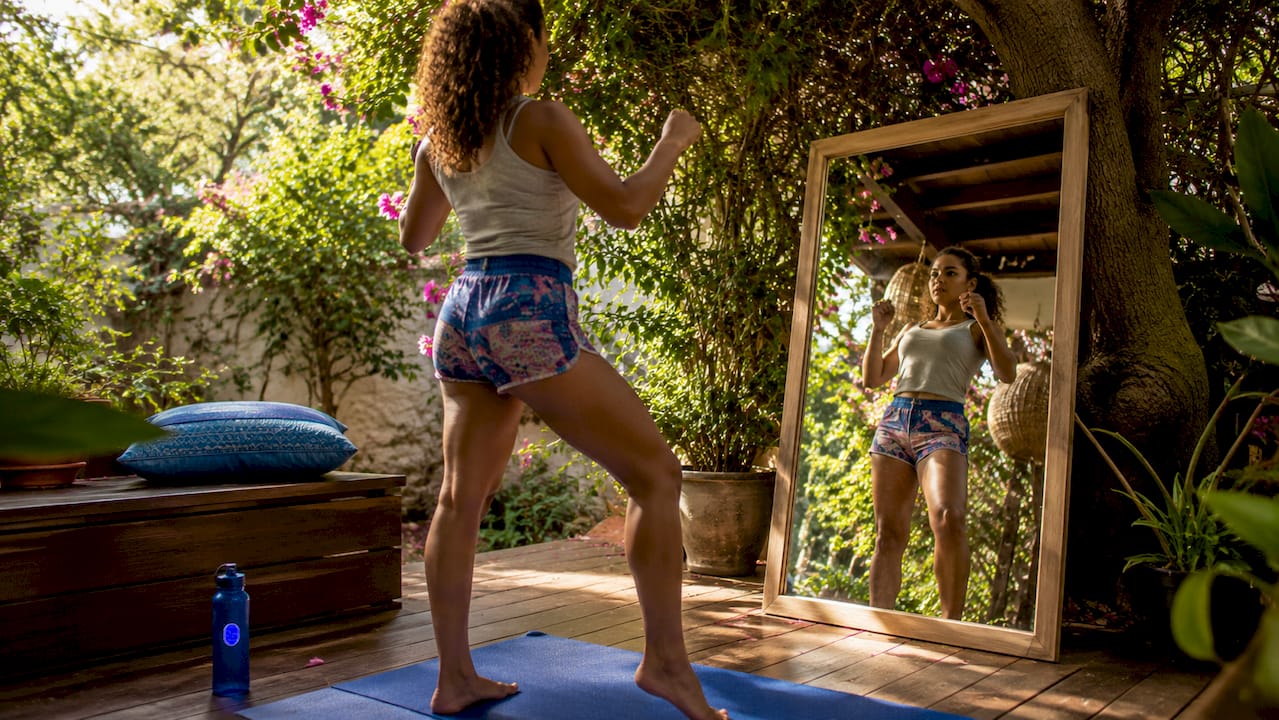
The most common challenges beginner dancers face are physical coordination gaps, rhythm difficulties, and emotional fears about performing in front of others. These three hurdles show up in nearly every first class, regardless of dance style. The good news is that progress comes faster than most beginners expect. Experts confirm that dancers typically gain real confidence after just 4–6 weeks of consistent practice. That timeline matters because it reframes the early struggle as a phase, not a permanent state. Every great dancer started exactly where you are right now.
1. What physical challenges do beginner dancers commonly face?
The body and mind do not sync up automatically when you start dancing. This gap is called the mind-body learning gap, and it causes most of the early frustration beginners feel. Muscle memory builds gradually, meaning your brain understands the movement long before your body can execute it smoothly. That delay is a universal biological phase, not a sign of personal failure.
Physical fatigue hits harder than most beginners anticipate. Dance uses muscle groups that everyday life rarely activates, so soreness after the first few classes is normal and expected. Injury risk rises when beginners push through pain or skip warm-ups, so listening to your body is a practical skill, not a weakness.
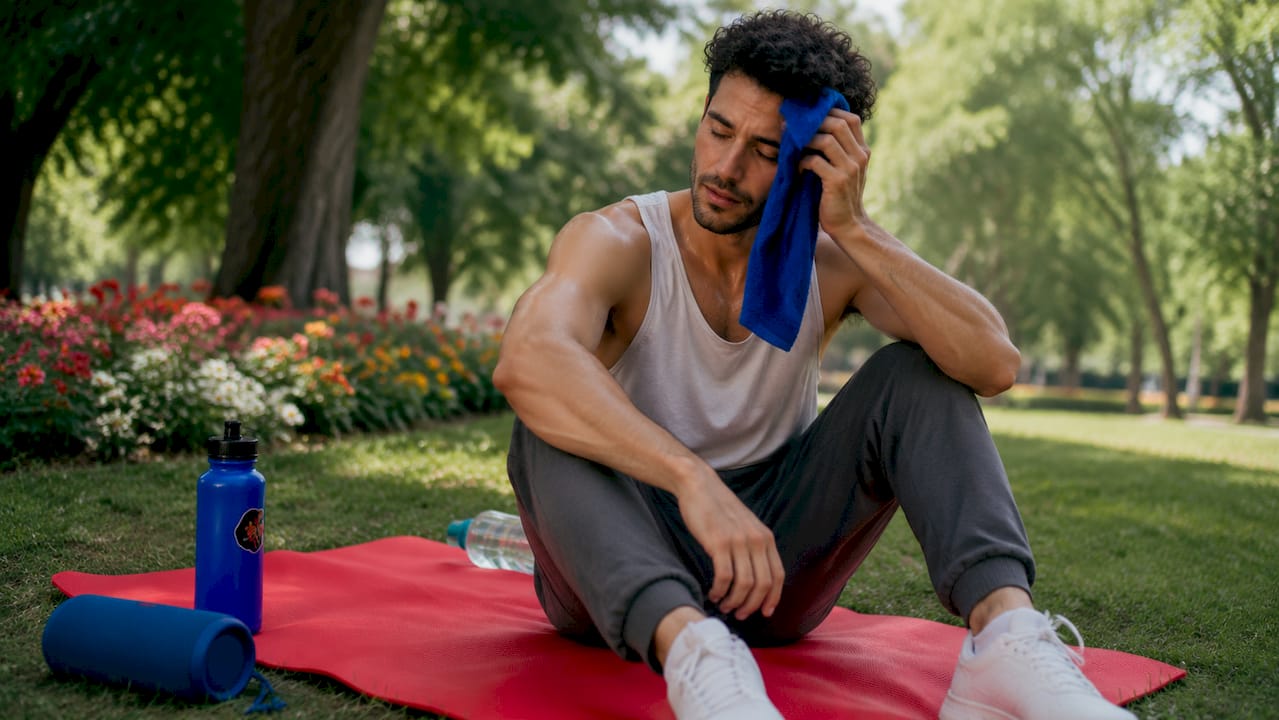
Footwear and clothing matter more than beginners realize. Style-specific footwear like ballet slippers, jazz shoes, or supportive sneakers reduces strain and prevents slipping. Breathable, flexible clothing lets you move freely and helps instructors see your alignment to give better corrections.
Good instructors provide movement modifications for beginners with physical limitations or injuries. You do not need a perfect body to start dancing. You need a class that meets you where you are.
- Warm up every session. Cold muscles tear more easily and recover more slowly.
- Wear the right shoes. Ballet slippers for ballet, jazz shoes for jazz, clean sneakers for hip-hop.
- Communicate with your instructor. Tell them about injuries or limitations before class starts.
- Rest between sessions. Recovery is when muscle memory actually forms.
Pro Tip: Arrive five minutes early to stretch your calves and hips. Those two muscle groups take the most strain in beginner classes and are the most commonly neglected.
2. How do rhythm difficulties affect beginner dancers?
Rhythm feels like a gift some people have and others do not. That belief is the single biggest myth in beginner dance education. Rhythm is a trainable skill, not an innate talent, and most difficulties stem from undeveloped skills rather than fixed traits. Once you accept that, the path forward becomes much clearer.
Rhythm involves a series of connected skills: hearing the pulse in music, coordinating your body to match it, and adapting in real time when the tempo shifts. Beginners typically struggle with the first step, hearing the pulse, because they focus on the choreography instead of the music. The fix is simple. Listen before you move.
Tension is rhythm's biggest enemy. When beginners concentrate too hard on getting steps right, their bodies tighten up, and that physical tension blocks natural movement. Relaxation techniques like slow breathing and loose shoulders directly improve rhythm perception. The less you grip, the more you flow.
Here are practical steps to build rhythm from scratch:
- Clap to the beat before dancing. Find the pulse with your hands before asking your feet to follow.
- Count out loud. Saying "1, 2, 3, 4" while moving connects your auditory and physical systems.
- Practice with one body part at a time. Step in place to the beat before adding arm movements.
- Use familiar music. Songs you already know make it easier to feel the pulse without thinking.
- Slow the tempo down. Many music apps let you reduce speed without changing pitch. Use that feature.
The dancers who struggle most with rhythm in week one often become the most musically aware by month three. Focused attention on fundamentals builds a stronger foundation than natural ability alone.
3. What psychological and emotional barriers do beginners face in dance classes?
Fear of judgment is the primary obstacle for most beginners, and it operates quietly. Psychological barriers like self-consciousness and fear of mistakes stop more people from continuing dance than physical difficulty ever does. The studio mirror does not help. Beginners often use it to compare themselves to advanced dancers rather than to check their own alignment.
Comparison to more experienced dancers creates a distorted picture of progress. Advanced students in the same room have months or years of practice behind them. Measuring your week-one performance against their year-three skill is not a fair comparison. It is a setup for discouragement.
Instructors who reframe corrections as gifts shift the entire emotional tone of a class. When a teacher corrects your posture, that is not criticism. It is attention. It means the instructor sees your potential and wants to help you reach it. Responding with a simple "thank you" instead of embarrassment rewires how you receive feedback over time.
Social anxiety in group classes is real, and it deserves acknowledgment. External factors like stress and fatigue affect class engagement far more than student disinterest. A supportive class environment, where mistakes are expected and celebrated as learning moments, makes an enormous difference.
- Arrive with a beginner's mindset. You are there to learn, not to perform.
- Focus on your own reflection in the mirror. Use it to check posture, not to compare yourself to others.
- Introduce yourself to classmates. Knowing one person by name reduces social anxiety significantly.
- Set a small goal each class. "Today I will nail the first eight counts" beats "Today I will be perfect."
- Acknowledge your wins. Write down one thing you did well after every session.
Pro Tip: Before class starts, take three slow breaths and remind yourself that every dancer in that room was once a beginner. That thought alone lowers your cortisol and opens you up to learning.
4. How can beginner dancers effectively overcome these challenges?
Consistency beats intensity every time. Practicing twice a week produces better results than one long session every two weeks. Regular, shorter practice sessions let muscle memory form between classes. Sporadic intensive effort produces soreness and frustration without the retention that comes from steady repetition.
The mind-body gap is not a problem to solve. It is a phase to move through. Beginners who feel clumsy early on often become the most technically proficient dancers long term. Early clumsiness forces attention to fundamentals and prevents the bad habits that naturally talented beginners sometimes skip past.
Use the studio mirror as an informational tool, not a judge. Check your posture, watch your arm lines, and notice where your weight sits. The mirror gives you data. What you do with that data is your choice.
Self-compassion is not a soft skill in dance. It is a performance skill. Dancers who practice self-compassion recover from mistakes faster, stay in class longer, and progress more consistently than those who treat every error as evidence of inadequacy.
- Commit to a regular schedule. Two classes per week for six weeks builds a real foundation.
- Practice at home between classes. Even ten minutes of reviewing what you learned cements retention.
- Consider a private lesson. One session with an instructor gives you customized feedback that group classes cannot always provide.
- Watch group class benefits in action. Community learning reduces isolation and builds motivation.
- Track your progress. Record a short video of yourself every two weeks. The improvement will surprise you.
Beginner-friendly workshops structured around collaborative feedback rather than authoritarian correction create the safest environments for growth. Look for classes where the instructor explains the "why" behind each correction, not just the "what."
Key Takeaways
The most effective way to overcome beginner dance challenges is to practice consistently twice a week, treat rhythm as a learnable skill, and reframe corrections as useful feedback rather than criticism.
| Point | Details |
|---|---|
| Consistency over intensity | Practicing twice weekly builds muscle memory faster than sporadic long sessions. |
| Rhythm is a skill | Hearing the pulse, relaxing the body, and counting out loud are the core steps to developing rhythm. |
| Psychological barriers are primary | Fear of judgment stops more beginners than physical difficulty does. |
| Use mirrors as data | Check posture and alignment in the mirror rather than comparing yourself to others. |
| Early clumsiness is an asset | Beginners who struggle initially often develop stronger technique long term. |
What I've learned watching beginners find their footing
I have watched hundreds of first-time dancers walk into a studio with their shoulders up around their ears. The tension is visible before the music even starts. What I find remarkable is how quickly that changes when the environment is right.
The biggest mistake I see beginners make is treating their first class like an audition. They are performing for an imaginary audience instead of learning. The shift happens when they realize no one in the room is watching them critically. Everyone is too busy managing their own left feet.
Talent is genuinely overrated in dance. The students who arrive with natural rhythm and coordination often plateau early because they rely on instinct instead of building technique. The students who struggle in week one and keep showing up? They build something more durable. They build understanding.
My honest advice: find a class where the instructor laughs with the students, not at them. Find a community where mistakes are part of the conversation. That environment does more for your progress than any single technique tip I could give you. Dance is a social art. Learn it socially.
— DJ
Where beginners find their community with Experiencebylocals
Starting your dance practice in a low-pressure, community-driven setting makes every challenge easier to face. Experiencebylocals connects you with authentic local dance workshops and performances hosted by real Colorado artists who genuinely love sharing their craft.
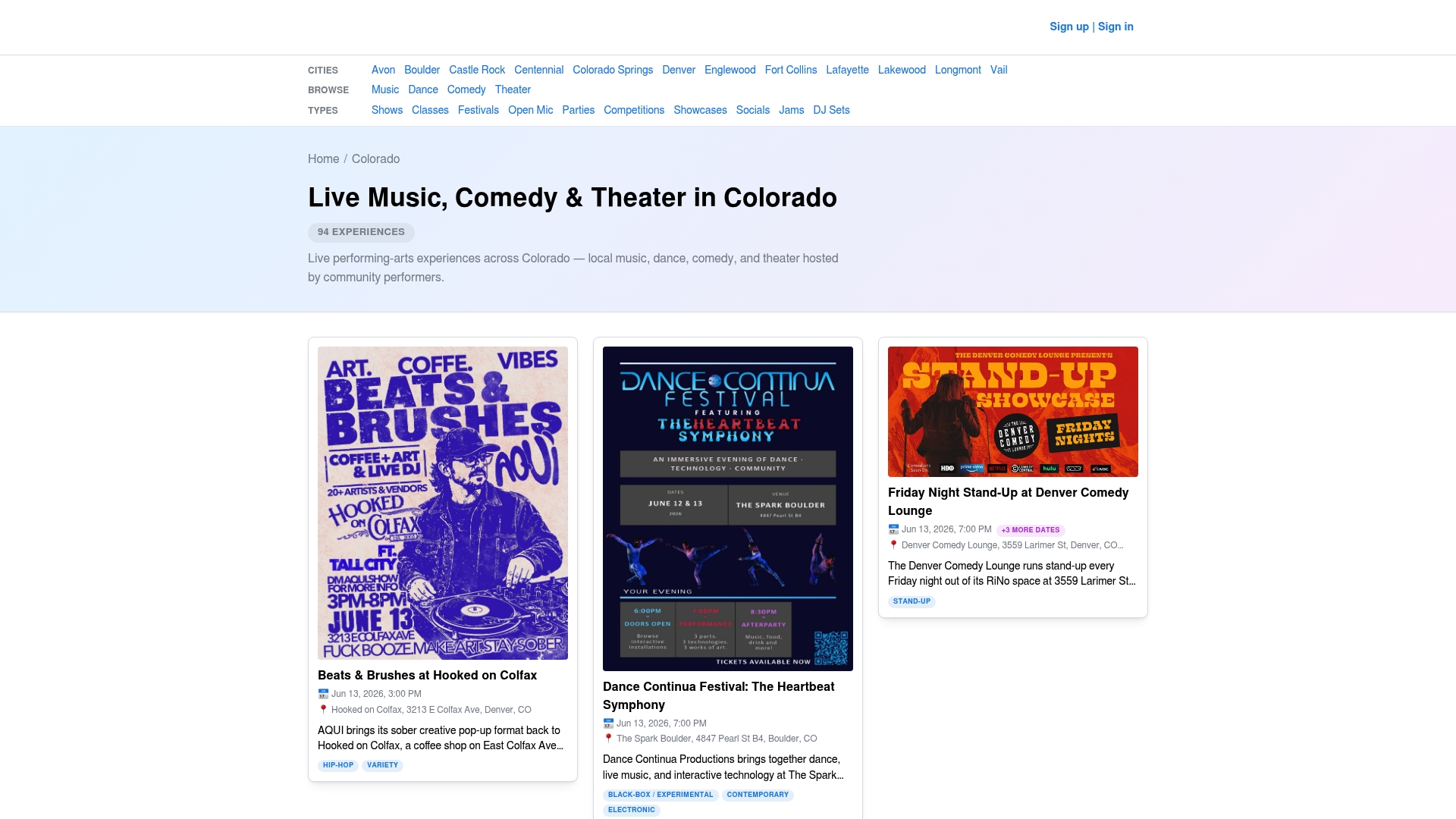
Whether you are curious about modern dance in Colorado or want to watch experienced dancers perform before you commit to a class, Experiencebylocals has options that meet you where you are. Events like Modern Dance with Kaycee Jannino at Streetside Dance offer the kind of grassroots, welcoming atmosphere that makes beginners feel like they belong from day one. No tourist traps, no intimidating stages. Just real people, real movement, and real community.
FAQ
How long does it take to feel confident as a beginner dancer?
Most beginners gain a real sense of confidence after 4–6 weeks of consistent practice. Committing to at least two classes per week during that period produces the fastest results.
Is rhythm something you are born with or can you learn it?
Rhythm is a trainable skill, not an innate talent. Most rhythm difficulties come from undeveloped listening and coordination habits, both of which improve with focused, regular practice.
What should beginner dancers wear to their first class?
Beginners should wear breathable, flexible clothing and style-specific footwear. Ballet slippers work for ballet, jazz shoes for jazz, and clean supportive sneakers for hip-hop or contemporary styles.
Why do beginner dancers feel so self-conscious in class?
Fear of judgment and comparison to more advanced dancers are the most common causes. Focusing on your own progress, setting small goals per class, and choosing a supportive instructor reduces self-consciousness quickly.
How do I know if a dance class is right for me as a beginner?
Look for a class that prioritizes progress over perfection and where the instructor treats corrections as learning tools rather than criticism. A good beginner class avoids complex choreography in early sessions and builds foundational skills first.
Recommended
- Dance Workshop Checklist for Beginners: Be Ready | ExperienceByLocals
- Improve Dance Skills With Local Workshops in 2026 | ExperienceByLocals
- Freestyle vs. Structured Dance: What Every Dancer Should Know | ExperienceByLocals
- Inclusive Dance Experiences: Real Examples for All Abilities | ExperienceByLocals