
How to Connect with Your Local Dance Community
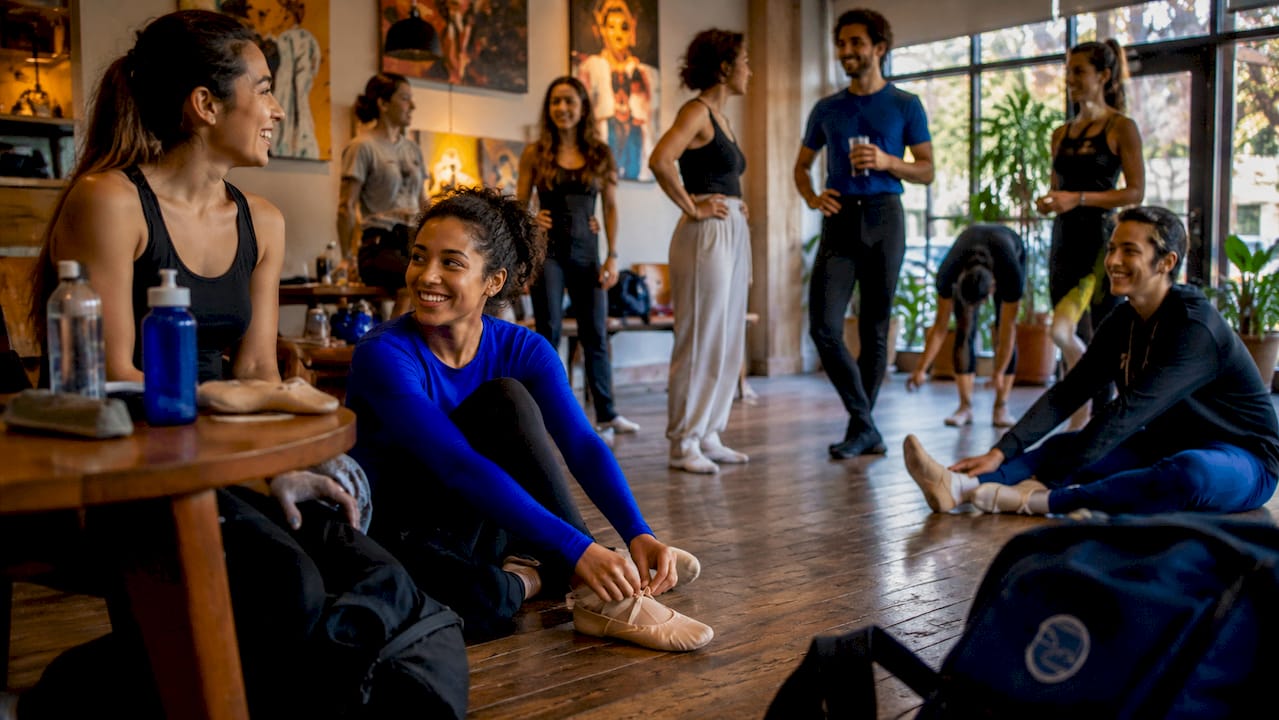
Connecting with your local dance community means joining shared movement experiences that build real social bonds, boost confidence, and create lasting friendships. Community dance, the recognized term for participatory, access-focused group dance programs, differs from performance training by prioritizing belonging over technical polish. Research shows that 10 weeks in a community dance program significantly strengthens social skills and reduces isolation. Over 150 countries participate annually in International Dance Day, which tells you just how universal this pull toward shared movement really is. Whether you want to find nearby dance classes, attend open-level performances, or simply meet people who love to move, this guide gives you a clear path forward.
How to connect with your local dance community through events and classes
The first step is knowing what kinds of activities actually exist. Local dance communities offer far more than weekly lessons. They run social mixers, drop-in workshops, seasonal festivals, and structured class series, each with a different level of commitment and a different social payoff.
Group classes are frequently organized as 6-class series with 50-minute sessions. Many programs include access to practice parties as part of enrollment, and beginner lessons are sometimes free before social dances. That structure matters because it gives you a consistent group of people to grow with, not just a rotating crowd of strangers.
Social mixers and practice parties are where real friendships form. The majority of social connection happens at practice parties, not during instruction time. Showing up only for the lesson and leaving early is the single most common mistake new participants make.
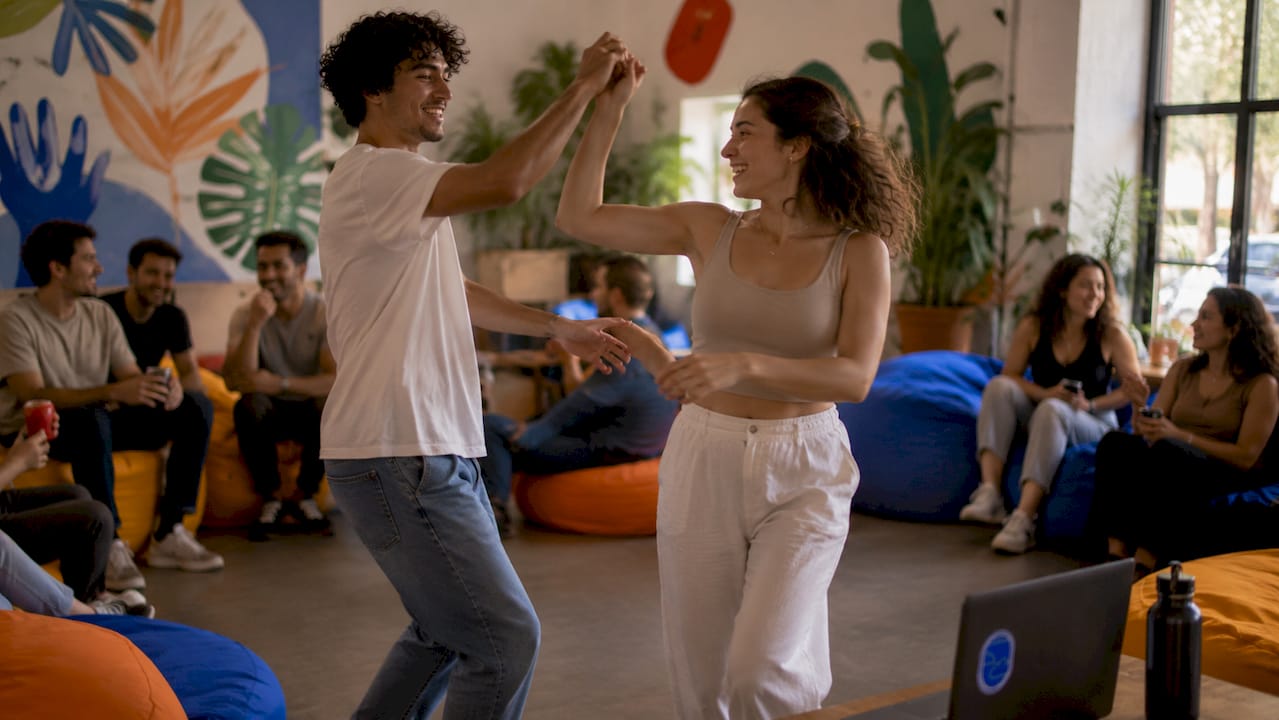
Community dance programs also differ from performance studios in a meaningful way. Facilitators prioritize access and shared communal presence over technical perfection, focusing on collective storytelling and a welcoming environment. That philosophy makes these spaces genuinely easier to walk into as a beginner.
| Event type | Best for | Connection level |
|---|---|---|
| Structured class series | Skill building and group cohesion | High |
| Drop-in workshops | Sampling styles and meeting new people | Medium |
| Social mixers and practice parties | Friendship and informal bonding | Very high |
| Community festivals | Cultural exchange and intergenerational connection | High |
| Open-level performances | Watching, appreciating, and finding your style | Medium |
What digital tools help you find and join local dance groups?
Digital platforms have made it much easier to find nearby dance classes and local dance community events without relying on word of mouth alone. Apps like Bailar and DanceUs aggregate local and global dance event information in one place. These platforms cover 40+ styles and support millions of people globally for event discovery and social connection. That reach means you can find salsa, swing, K-pop choreography, or African dance no matter where you live.
The most useful features to look for in any dance discovery app include:
- Style filters so you can search by genre (bachata, contemporary, ballroom, and more)
- Real-time RSVP so you can confirm attendance and get event updates
- Verified instructor badges so you know who is leading the session
- Location-based search so you surface events within a realistic travel distance
- Community forums or group chats so you can introduce yourself before you even walk in the door
Digital dance communities also expand accessibility, connecting dancers across geographic and socioeconomic boundaries. That means even if your city has a small local scene, you can find online classes, virtual socials, and hybrid events that keep you plugged in.
Pro Tip: Many authentic community dance spaces operate in informal venues like church halls, art studios, or community centers with limited staff. Always verify RSVP requirements by email or text before showing up, since some events require advance confirmation to enter.
What steps build meaningful connections in a dance community?
Knowing where to go is only half the work. How you show up determines whether you leave with acquaintances or actual friends. These steps move you from curious newcomer to active community member.
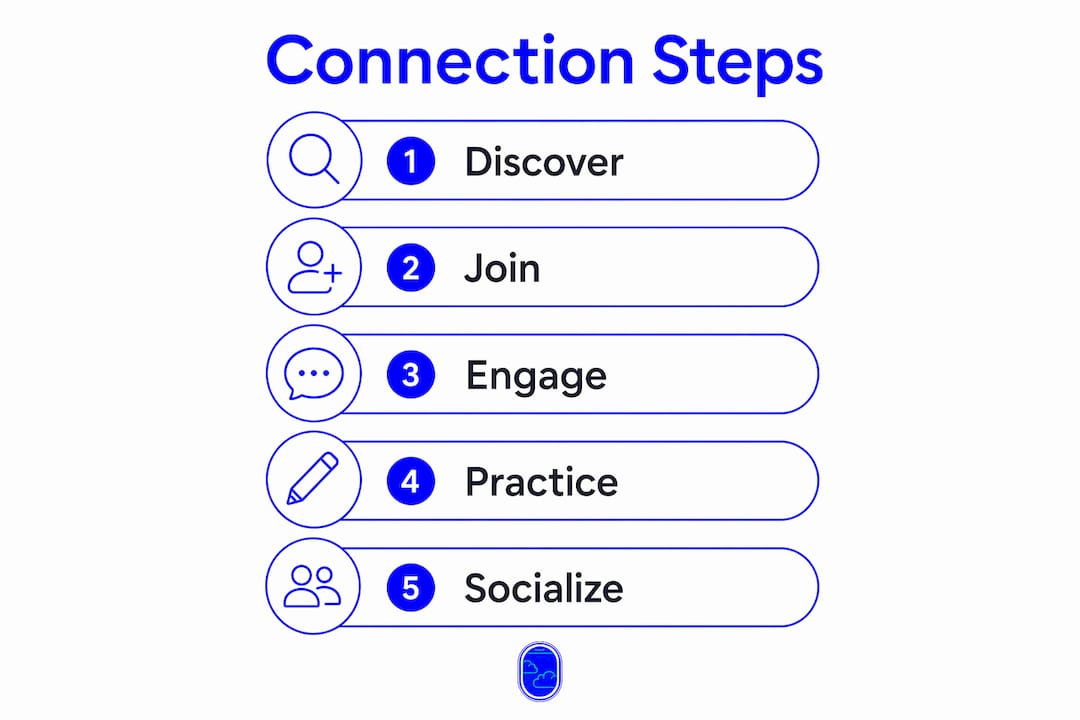
- Join at the start of a series. Structured series enhance skill progression and social bonding more effectively than drop-in formats. Beginners who join mid-series often feel behind and miss the group cohesion that builds in the first two sessions.
- Stay for the social mixer. Every event that includes a practice party or social dance after the lesson is an opportunity. The lesson teaches you steps. The mixer is where you actually use them with real people.
- Introduce yourself first. Community dance spaces are welcoming by design, but they are not magic. You still need to make the first move. Say your name, ask someone's favorite style, and ask for a dance.
- Attend consistently for at least four weeks. Faces become familiar. Inside jokes develop. People start saving you a spot. Consistency is the mechanism that turns a class into a community.
- Volunteer or help set up. Arriving early to help arrange chairs or staying late to pack up puts you in contact with organizers and regulars. That access accelerates belonging faster than any social skill.
Pro Tip: Avoid the trap of treating class as a performance audition. Community dance spaces offer a nonjudgmental environment focused on collective joy, not individual polish. The person who laughs at their own misstep and keeps moving always makes more friends than the person who looks serious and perfect.
| Engagement stage | Action | Expected outcome |
|---|---|---|
| Discovery | Search apps and local listings | Find 2–3 events that match your style and schedule |
| First visit | Attend a full event including the social | Meet 3–5 people and get a feel for the group culture |
| Consistent attendance | Join a 6-week series | Build skill and recognize familiar faces |
| Active participation | Volunteer, invite a friend, or join a group chat | Deepen ties and become a recognized community member |
How does community dance build social and cross-cultural connections?
Dance builds community connections in ways that spoken conversation simply cannot replicate. Movement is a nonverbal language, and dance events globally unite diverse communities by transcending language and cultural barriers. Two people who share no common spoken language can still share a rhythm, a step, and a moment of genuine connection on a dance floor.
The emotional benefits go beyond fun. Participants in community dance programs report improved confidence and reduced feelings of isolation. Group dance experiences also let you borrow emotional steadiness from the collective energy of the room, which makes social situations feel less intimidating over time. That is a real, practical benefit for anyone who finds social settings anxiety-inducing.
Community dance also creates rare intergenerational and intercultural spaces. A single social dance night might bring together a 22-year-old college student, a 60-year-old retiree, and a recent immigrant learning English, all moving to the same music and laughing at the same stumbled step. Those moments do not happen in most social settings. They happen consistently in community dance spaces.
"Community dance differs from performance training by centering access, empathy, and shared presence. The goal is not a polished show. The goal is a room full of people who feel less alone because they moved together."
The mental health case for joining local dance groups is also growing. Stress relief, improved mood, and a stronger sense of belonging are consistently reported outcomes. Dance gives your body something to do with social energy that might otherwise sit as anxiety.
What I've learned from showing up to community dance events
I have watched a lot of people walk into their first community dance event with their arms crossed and their guard up. Most of them leave with their phone out, swapping numbers. The transformation is not magic. It is the format doing its job.
What strikes me most is how the social mixer after the lesson is where everything actually happens. The lesson is the warm-up. The mixer is the main event. People who skip it are leaving the best part on the table, and they often wonder why they do not feel connected after months of attending classes.
I have also noticed that the most welcoming dance communities tend to meet in the least glamorous venues. A church basement, a rented art studio, a community center with folding chairs. The informal setting removes the pressure of a polished night out and replaces it with something more honest. You are there to move and meet people, not to be seen.
My honest advice: show up three times before you decide whether a community is right for you. The first visit is disorienting. The second visit is when you start recognizing faces. The third visit is when someone remembers your name and waves you over. That is the moment the community becomes yours.
— DJ
Find your next dance event with Experiencebylocals
Ready to put this into practice? Experiencebylocals lists authentic, community-rooted dance performances in Colorado hosted by local artists who bring real cultural depth to every event. From modern dance with Kaycee Jannino at Streetside Dance to African dance with Adjei Abankwah, these are not tourist-facing shows. They are the real thing.
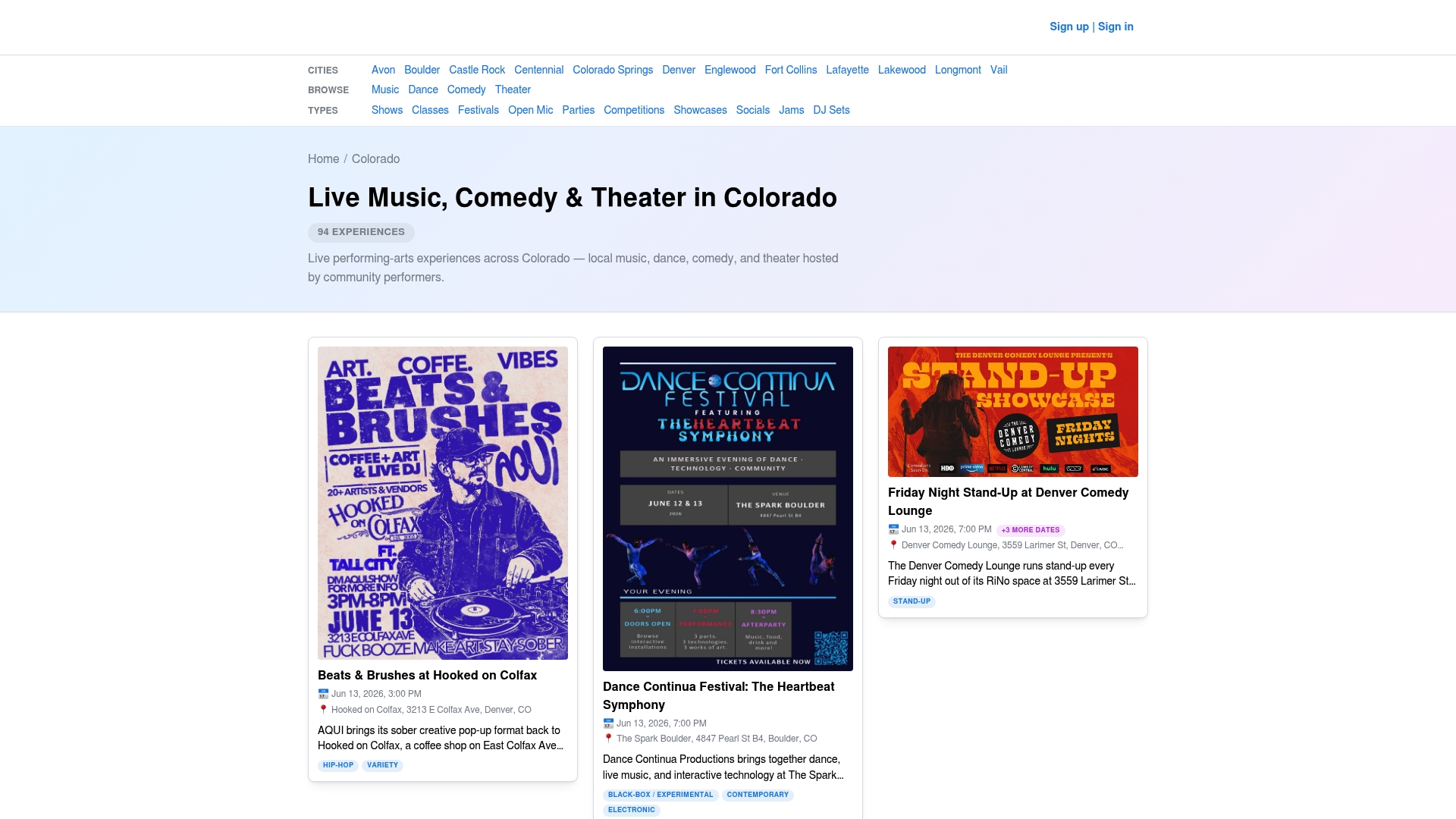
You can browse by location, style, and date to find events that fit your schedule and curiosity. Whether you are in Boulder, Longmont, or anywhere across Colorado, Experiencebylocals connects you to the grassroots creative scene that most visitors never find. The local creative community is already out there, moving and making space for new faces. Come find your spot in it.
Key takeaways
Joining a structured community dance series and staying for the social mixer is the fastest, most reliable way to build genuine friendships through dance.
| Point | Details |
|---|---|
| Start with a series, not drop-ins | Joining at the start of a 6-week series builds group cohesion and prevents the "left behind" feeling. |
| Stay for the social mixer | Most real connections form at practice parties after the lesson, not during instruction time. |
| Use digital tools to find events | Apps like Bailar and DanceUs cover 40+ styles and offer real-time RSVP for local and global events. |
| Verify RSVP requirements | Many community dance events use informal venues and require advance confirmation by email or text. |
| Consistency creates belonging | Showing up for at least four consecutive weeks is what turns a class into an actual community. |
FAQ
What is community dance and how is it different from studio classes?
Community dance prioritizes access, empathy, and shared presence over technical performance. Unlike studio training, it focuses on collective storytelling and welcoming participants of all skill levels.
How do I find nearby dance classes and local events?
Apps like Bailar and DanceUs let you filter by dance style and location, with real-time RSVP features. Local platforms like Experiencebylocals also list community dance events hosted by local artists.
Do I need experience to join a local dance community event?
No prior experience is required for most community dance programs. Many events offer free beginner lessons before social dances and welcome complete newcomers.
Why should I attend the social mixer after the dance lesson?
The majority of social connection happens at practice parties, not during instruction. Staying for the mixer is where friendships actually form.
How long does it take to feel like part of a dance community?
Most people start recognizing faces by their second visit and feel genuinely welcomed by their third. Consistent attendance over four or more weeks is what builds a real sense of belonging.