
How Community Events Transform Your Travel Experience
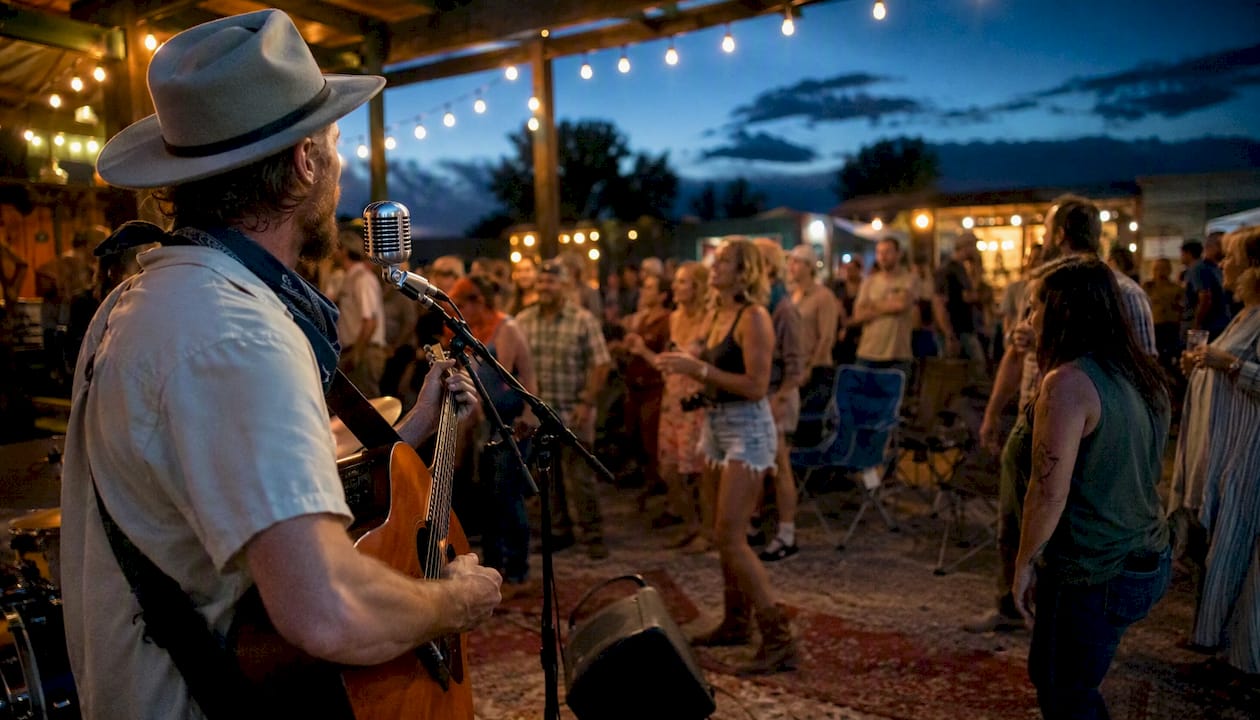
Community events are the fastest doorway into a place's real culture. When you attend a neighborhood open mic, a local dance night, or a grassroots comedy show, you're not watching a performance designed for visitors. You're stepping into something that exists for the people who live there. A 2025 paper in Acta Psychologica found that perceived authenticity is associated with higher enjoyment, aesthetic appreciation, learning, and immersion. A 2017 Sustainability (MDPI) study linked recognition of local-life encounters to more favorable emotions and higher visitor satisfaction. The evidence points in one direction: prioritize community-rooted events and your trip gets better.
Here's where to start:
- 🎯 Search for a small local gig, open mic, or neighborhood festival happening tonight or this weekend
- 🔎 Before booking, check that the listing shows run-length, fees, and a named local host
- 🤝 Arrive a few minutes early and talk to whoever is setting up
Pro Tip: Budget $10–$25 for a community show and arrive 15 minutes before doors open. That window before the crowd fills in is often where the most genuine conversations happen.
Key Takeaways
Community events deliver the kind of authentic, local-life encounters that research consistently links to higher enjoyment, deeper immersion, and more satisfying travel memories.
| Point | Details |
|---|---|
| Authenticity drives better experiences | Acta Psychologica (2025) links perceived authenticity to higher enjoyment, learning, and immersion. |
| Local-life encounters raise satisfaction | The 2017 MDPI Sustainability study found visitors who recognized local-life encounters reported more favorable emotions. |
| Vet before you book | Look for named local hosts, transparent fee breakdowns, and run-length details in every listing. |
| Participate, don't just observe | Arrive early, buy a drink, tip, and follow the artist afterward to deepen the connection. |
| Experiencebylocals for Colorado | Browse community-rooted live music, dance, comedy, and theater listings at Experiencebylocals to find and book authentic local shows. |
Table of Contents
- Why do community events make your trip more meaningful?
- What types of community events should you look for?
- How do you tell a genuinely local event from a tourist product?
- What should you check before attending a community event?
- Where can you find authentic community events near you?
- How do you participate without being extractive?
- A sample evening built around one community show
- What I've learned from curating community events
- Experiencebylocals connects you to Colorado's real creative scene
- Sources
Why do community events make your trip more meaningful?
The short answer: they create the conditions for real connection, and real connection produces better memories.
Acta Psychologica (2025) reports that when travelers perceive an experience as authentic, it correlates with stronger emotional engagement, greater learning, and deeper immersion than standardized tourism products deliver. That's not a soft claim. It means the difference between a night you remember for years and one that blurs into the rest of the trip.
🎶 Perceived authenticity is associated with higher enjoyment, aesthetic appreciation, learning, and immersion — Acta Psychologica, 2025
The 2017 MDPI Sustainability study reinforces this from a different angle. Researchers analyzed visitor reviews and found that guests who recognized local-life encounters reported more favorable emotions and higher satisfaction than those who didn't. The mechanism is simple: when you see how people actually live, laugh, and create, the place becomes three-dimensional.
Practically, this translates to three traveler outcomes:
- Stronger memories — emotionally charged experiences encode more deeply
- Genuine learning — you pick up cultural context you can't read in a guidebook
- Sense of place — the neighborhood feels like somewhere, not just a backdrop
Editorial travel guidance consistently echoes this: authentic, community-based experiences produce deeper satisfaction and longer-lasting memories than standardized tours.
What types of community events should you look for?
Not every "local" event is the same. Here's a quick map of the most common formats and what makes each one feel genuinely rooted in the community:
- 🎸 Live music nights at neighborhood bars or artist-run spaces: look for local lineups, handmade posters, and a crowd that clearly knows the performers. Run-length is typically a few hours; cover charges are generally modest.
- 🎤 Open mics like the KRFC Open Mic Night at Magic Rat: rotating performers, low or no cover, and a mix of regulars and first-timers. These are some of the most unfiltered windows into a local creative scene.
- 🥁 Music jams: informal sessions where musicians play together, often in bars or rehearsal spaces. Audience participation is welcome; the energy is collaborative rather than performative.
- 💃 Community dance nights: local dance events differ from studio classes in that they're social first. Expect mixed skill levels, a welcoming floor, and music chosen by the community.
- 😂 Comedy nights: grassroots shows in bars or small theaters, featuring local comedians working out new material. Intimate, unpolished, and often hilarious.
- 🎭 Community theater: neighborhood productions with volunteer casts. Common theater genres at local venues range from improv to original plays rooted in local stories.
- 🏘️ Neighborhood festivals and art markets: outdoor or multi-venue events that bring together food, music, and craft vendors. Cultural tourism guidance recommends starting with everyday-use spaces like these because living traditions teach more than staged attractions.
How do you tell a genuinely local event from a tourist product?
Choose events where the performers and setting show clear local embedding. Here's what to look for:
Authenticity cues ✅
- Named local hosts with bios tied to the neighborhood or city
- Community-run or artist-run venues (not hotel ballrooms or chain venues)
- Small audience size where locals clearly outnumber visitors
- Transparent fee breakdowns with no vague "experience packages"
- Handmade or low-budget promotional materials
Red flags 🚩
- Vague "authentic local experience" language with no performer names or venue details
- Group tour formats that isolate local attendees from visitors
- No performer information or host contact listed
- Opaque pricing with bundled fees and no itemization
Pro Tip: Before booking, search the venue name or performer on Instagram or a local paper. If their last three posts are for the same tourist-facing event, keep looking. If they're promoting a neighborhood fundraiser or a regular Tuesday night session, that's a good sign.
Community cultural development research supports this: events where residents have genuine ownership and participation tend to produce more meaningful visitor-host relationships than those designed primarily around visitor consumption.
What should you check before attending a community event?
Check run-length, fees, and venue notes before you go. A little prep prevents surprises and lets you show up relaxed.
Quick pre-show checklist:
- ✅ Tickets: buy in advance for popular shows; many community events are walk-in but sell out
- ✅ Run-length: most community shows run roughly an hour to two hours; plan transport accordingly
- ✅ Fees: scan listings for itemized charges. A Denver venue listing example shows a 10% seat tax, 4% licensing fees, and a $0.75 ticketing service charge. These add up, so read the full breakdown.
- ✅ Accessibility: check for step-free access, seating options, and age/family policies
- ✅ Photography: ask before shooting. Many community performers prefer you put the phone away.
- ✅ Dress and participation norms: casual is almost always fine; follow the room's energy
- ✅ Language: if you're attending an event where the primary language isn't yours, a quick translation app and a willingness to laugh at yourself go a long way
Where can you find authentic community events near you?
Use a mix of curated local platforms and direct venue channels. Neither alone is enough: platforms give you breadth and vetting; venue pages give you the most current details.
Discovery channels worth bookmarking:
- 🗓️ Local community calendars (city arts boards, neighborhood association sites)
- 📱 Venue social pages and artist collective accounts on Instagram and Facebook
- 🏘️ Nextdoor and neighborhood Facebook groups for word-of-mouth picks
- 📻 Local radio stations, which often promote grassroots shows
- 🎟️ Experiencebylocals for Colorado listings: the platform focuses specifically on community-rooted live music, dance, comedy, and theater hosted by local artists, with host-provided details that help you vet events before you book
Recommended workflow:
- Search by city or event type
- Check performer bios and venue notes
- Confirm run-length and full fee breakdown
- Read recent reviews or check the host's social presence
- Book early or plan to arrive at doors
For Colorado visitors, Experiencebylocals is the most direct path to community-rooted listings across the state.
How do you participate without being extractive?
Small acts of participation deepen connection in ways that passive attendance never does.
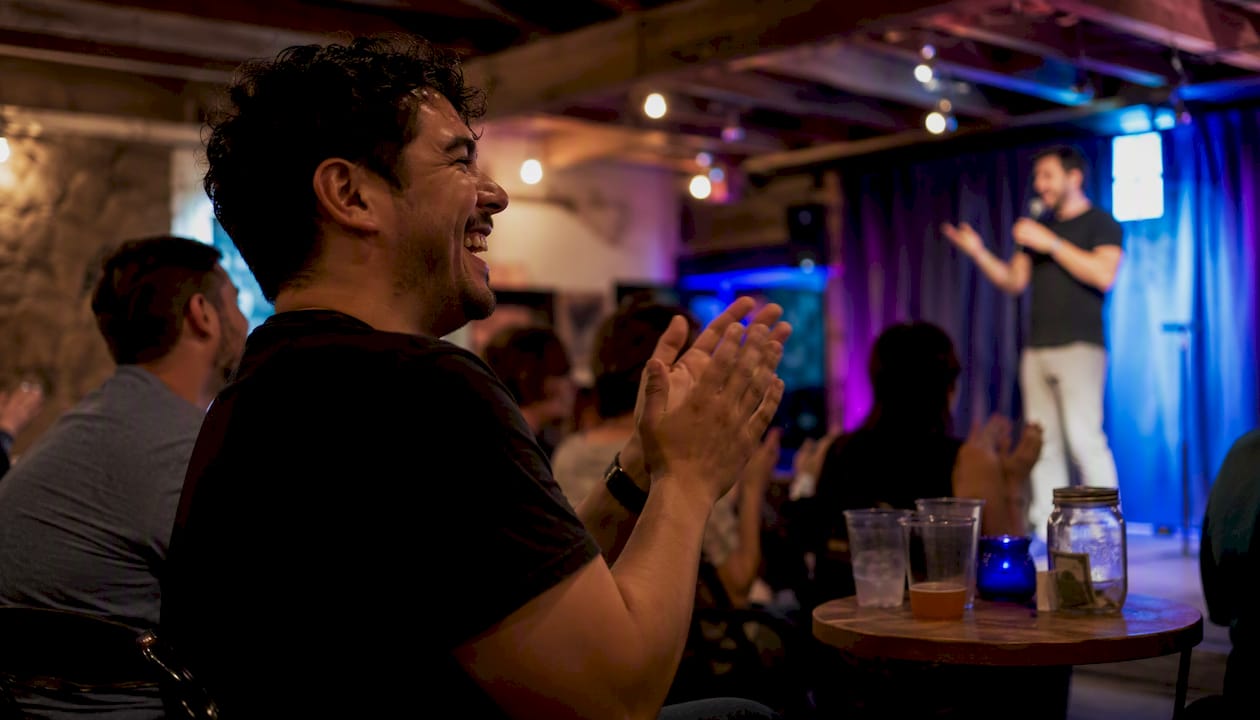
Arrive early and introduce yourself to the host or a performer. Buy a drink or a piece of merch. These aren't just polite gestures; they're how you signal that you're a guest, not a spectator. Ask contextual questions ("How long has this night been running?" or "Is this your original material?") rather than questions that put performers on display. Clap genuinely, tip when there's a jar, and if a jam night invites open participation, consider joining.
The community cultural development research frames this well: when visitors engage as partners rather than consumers, the visitor-host relationship becomes more sustainable and more rewarding for both sides.
Pro Tip: After the show, follow the artist on social media and leave a specific, thoughtful review mentioning the venue and the performance. For a grassroots creator, one genuine review from a visitor carries real weight.
A sample evening built around one community show
Focus the evening on one community show and build everything else around it. Here's how that looks in practice:
- 🍜 6:30 PM — Dinner at a neighborhood diner or local restaurant near the venue (not a chain)
- 🛍️ 7:30 PM — Walk through a nearby market or browse a local record shop; events like the Broadway Art Market at The Goldfinch pair naturally with an evening show
- 🎶 8:30 PM — Arrive at the venue 15 minutes before doors; talk to the host
- 🎤 9:00 PM — The show: two hours of live music, comedy, or dance
- 🍻 11:00 PM — After-show conversation at the venue bar or a nearby spot the locals recommend
What changes when you structure a night this way? The show becomes an anchor, not an afterthought. The neighborhood meal and the market walk prime you to notice things. By the time the music starts, you're already curious rather than just present. That's the immersion effect the Acta Psychologica research describes: context deepens experience.
Browse live music and cultural events in Colorado on Experiencebylocals to find a show worth building your evening around.
What I've learned from curating community events
The conventional travel wisdom says "go where the locals go." That's true but incomplete. The better version is: go where the locals create. A neighborhood bar hosting a Tuesday open mic is doing something a restaurant or a museum can't. It's a space where people are making something together, in real time, for each other. That's the texture of a place.
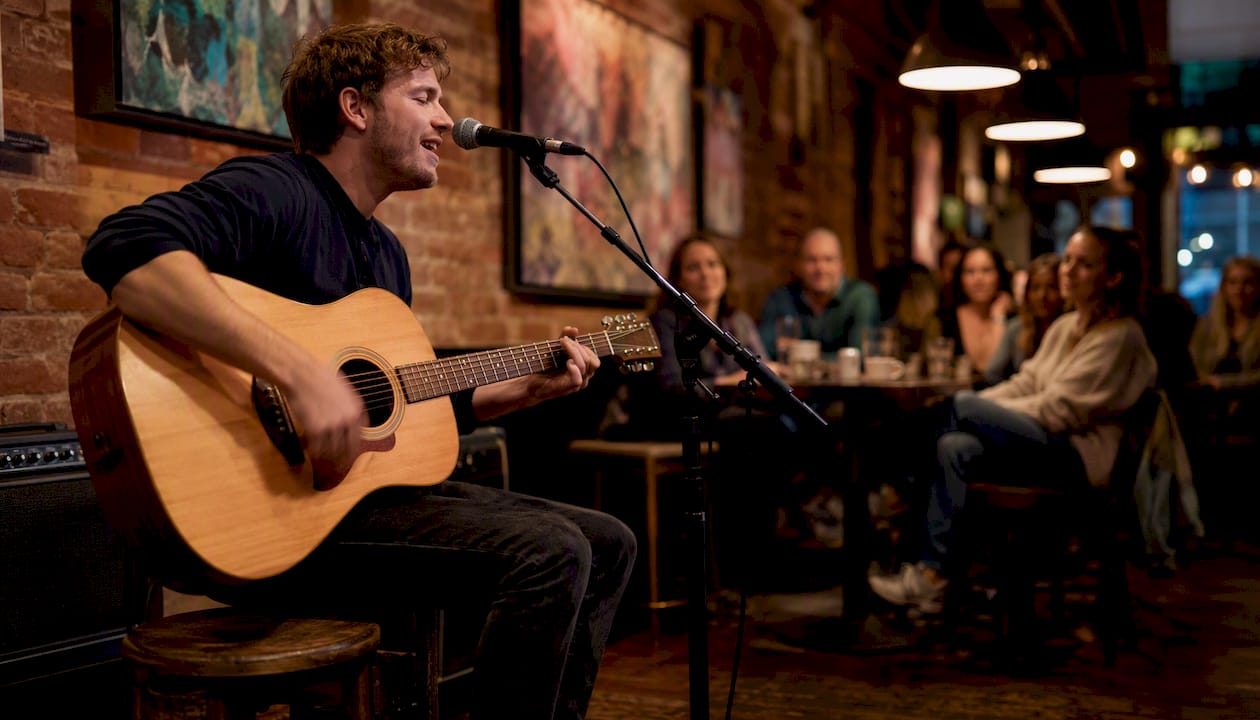
When I look at a lineup for a community show, I'm not looking for polish. I'm looking for specificity. Does this performer have a story tied to this city? Does the venue have a history with this kind of music? Does the event description tell me something I couldn't find on a generic tourism site? Those are the signals that matter.
The research backs this up, but honestly, you feel it before you can name it. A room full of people who chose to be there because they love the thing, not because it was on a tour itinerary, has a completely different energy. That energy is what makes a trip memorable.
If you're visiting Colorado, Experiencebylocals is where I'd start. The listings are built around that specificity: named hosts, real venues, community-rooted lineups.
Experiencebylocals connects you to Colorado's real creative scene
Real community shows are out there, and finding them shouldn't require three hours of research. Experiencebylocals lists live music, dance, comedy, and theater hosted by local Colorado artists, with the details that actually matter for planning: performer bios, venue notes, run-lengths, and transparent fee breakdowns.
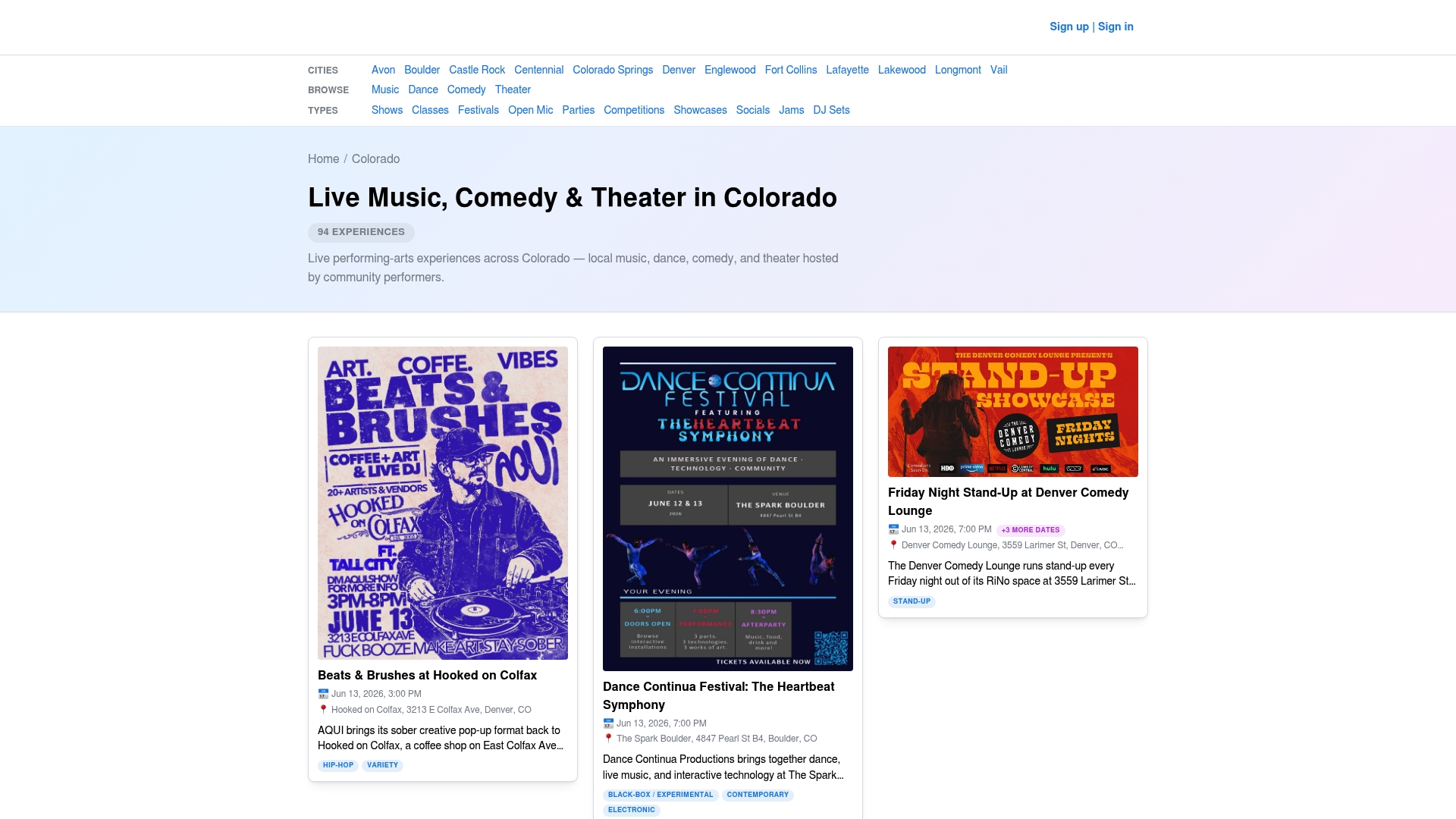
What makes the platform useful for travelers specifically:
- 🎯 Community-rooted lineups, not tourist-facing spectacles
- 🔎 Host-provided event details so you can vet before you book
- 🤝 Direct connection to local creators and venues
- 📍 Colorado-focused, so every listing is in-market and relevant
Whether you're looking for a Colorado open mic tonight or a weekend showcase, browse the listings and check the event notes before you book. The right show is already on the calendar.
Sources
These are the core sources behind the research claims in this article:
- Acta Psychologica (2025) — authenticity perception boosts enjoyment and immersion
- The reality of encounters with local life in other cultures — Sustainability (MDPI), 2017
- Why Local Experiences Beat Traditional Tours | Hello Mira
- Cultural tourism: how to feel the real rhythm of a place | Voyasee
- Ideas