
Immersive Dance Experience: A Guide for Local Audiences
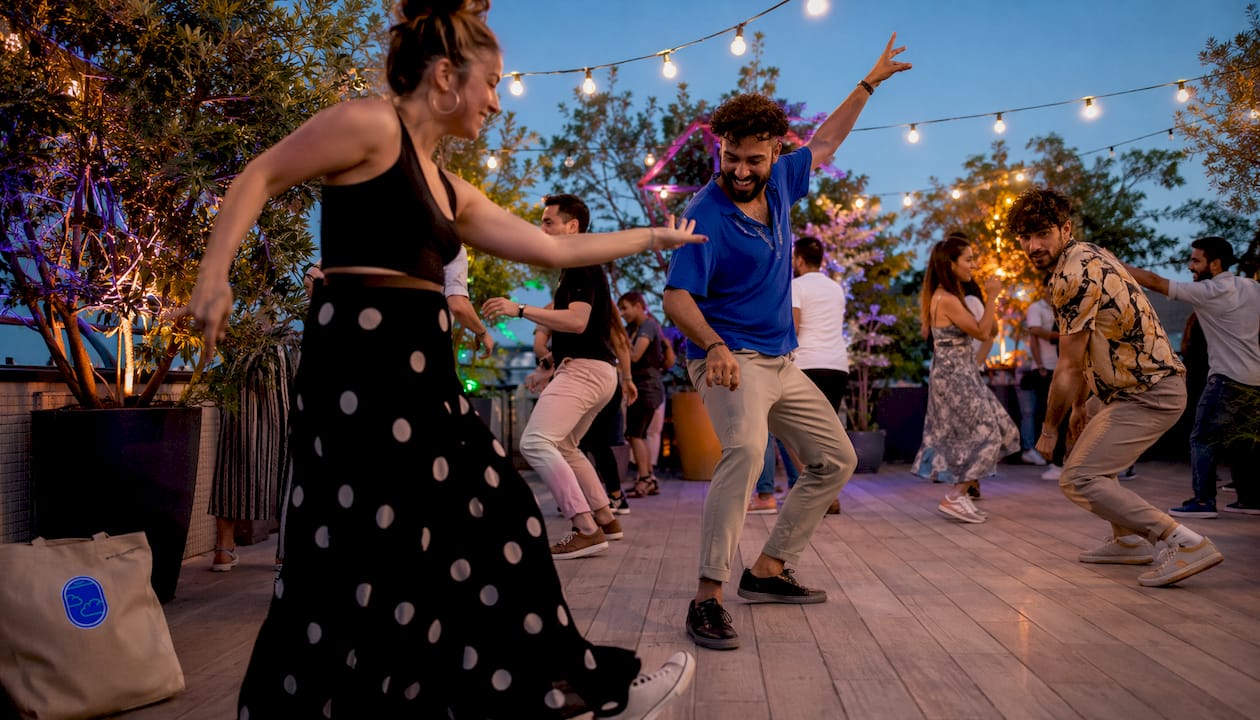
An immersive dance experience is a live performance where you share the performance space with dancers, move through it freely, engage multiple senses, and sometimes make choices that shape what happens next. Unlike a traditional show where you sit in the dark and watch from a fixed seat, immersive dance pulls you into the choreography itself. Scholars like Josephine Machon and Johannes Birringer have shaped how we understand this practice academically, and platforms like Experiencebylocals make it easy to find authentic versions of it close to home.
The three things that set an immersive dance event apart from a conventional performance:
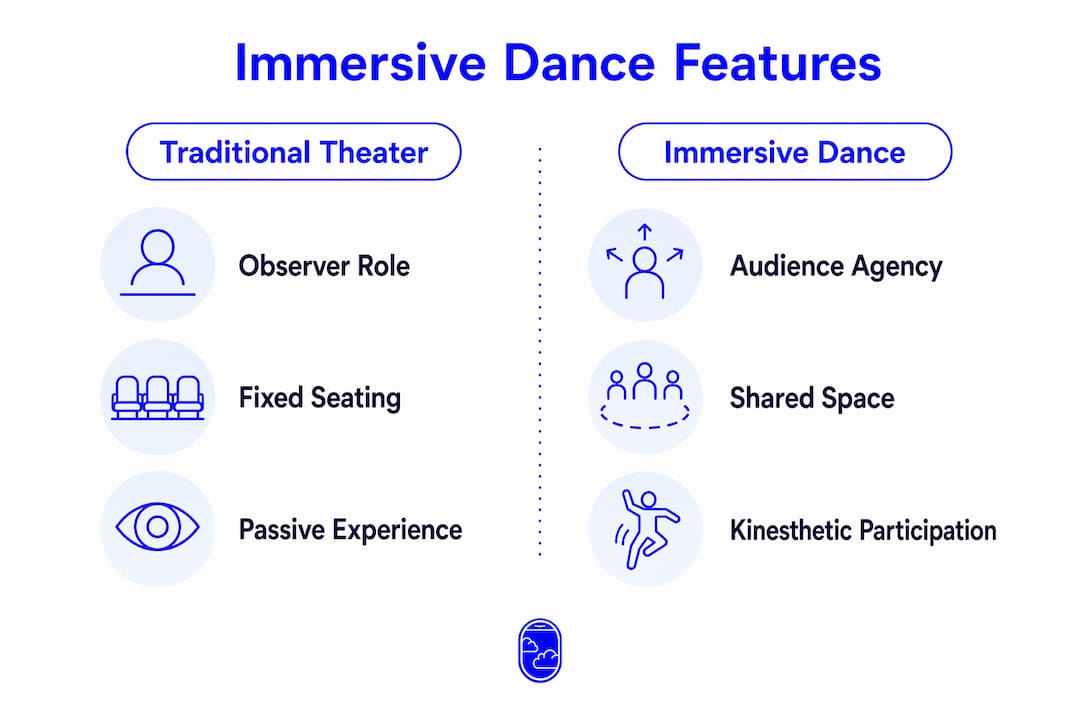
- Shared space: Dancers and audience move through the same environment, often without a stage or curtain separating them.
- Kinesthetic participation: You may walk, follow, respond, or even move alongside performers, making your body part of the experience.
- Multi-sensory design: Sound, lighting, scent, texture, and architecture work together to create a living environment around you.
Table of Contents
- What makes a dance experience truly immersive?
- Where does the idea of immersive dance come from?
- What formats of immersive dance will you actually encounter?
- What actually happens when you attend one of these shows?
- Accessibility, consent, and etiquette at immersive events
- How do you find authentic immersive dance events near you?
- How to prepare for your first immersive dance event
- Key Takeaways
- Why immersive dance matters more than most people realize
- Find and book local immersive dance events on Experiencebylocals
- Useful sources and further reading
What makes a dance experience truly immersive?
When you scan an event listing, a few signature characteristics tell you whether a show is genuinely immersive or just a marketing label.
- Porous, shared space: There is no fixed boundary between performer and guest. You might stand inches from a dancer or follow them through a corridor.
- Audience agency: You choose where to go, what to watch, and sometimes whether to participate physically. Your presence shapes the performance in real time.
- Multi-sensory triggers: Lighting shifts, spatial sound, tactile surfaces, and costume textures all work as choreographic tools, not just decoration.
- Non-linear scenography: The event has no single "correct" viewing order. Two guests can have entirely different experiences of the same show.
- Wearable and architectural design: As DAP-Lab's research shows, costumes and surfaces are part of the choreographic design, not separate from it.
Each of these shifts your role from observer to co-author. In proscenium theater, the audience receives a finished product. In immersive dance, you help construct meaning through your own movement and attention.
Pro Tip: Before booking, check whether the listing mentions "audience agency" or "participatory elements." If it only says "immersive" without describing how guests move through the space, ask the organizer directly. Good producers are happy to explain the participation level.
Where does the idea of immersive dance come from?
The word "immersive" entered theater discourse around 2007, largely through the work of Associate Professor Josephine Machon, whose writing on (syn)aesthetics framed audience kinesthetic agency as the defining feature of the practice. Machon argued that when spectators move through a performance, their physical experience becomes a form of knowledge, not just a reaction to what they see.
Johannes Birringer and DAP-Lab extended this into choreographic architecture. Their concept of the "kimosphere" treats space, sound, and wearables as a single living environment that evolves through movement. Think of it as a room that dances back.
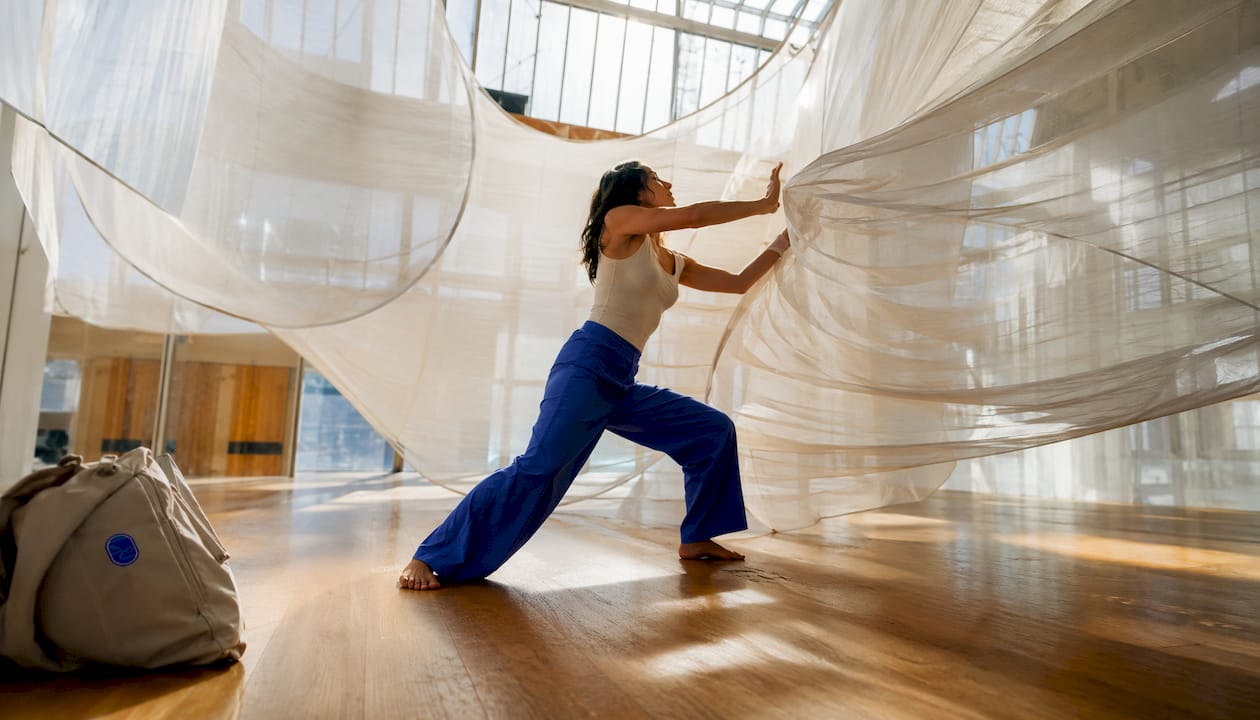
The UC Irvine thesis on immersive concert design adds another layer: haptic engagement, the physical sensation of sound, vibration, and proximity, gives audiences a somatic way of co-authoring meaning. You are not just watching a story. You are feeling it through your body and, in doing so, helping write it.
What formats of immersive dance will you actually encounter?
Immersive dance shows up in several recognizable formats. Here is what each one looks like in practice:
- Site-specific and promenade: Performed in non-theater spaces, warehouses, parks, or historic buildings, where the architecture is part of the choreography. You follow performers from room to room or across an outdoor site.
- Installation-style kimospheres: Inspired by Birringer's DAP-Lab work, these are environments where sound, projection, and wearable costume elements surround you. You enter and exit at your own pace.
- Wearable and sensory shows: Performers wear costumes designed as tactile objects. Some shows invite guests to touch or interact with these materials, creating a haptic layer of meaning.
- Participatory workshops and community co-design: Grassroots artists invite community members into the creative process itself. These events, common at neighborhood festivals and artist-run spaces, often use co-design processes that make the work feel genuinely local.
Grassroots artists in the U.S. typically stage these events in warehouses, gallery back rooms, community centers, and outdoor festival grounds. The venue is rarely a traditional theater.
"Immersive practice widened the contexts where dance can appear and supports diverse voices by involving audiences in creation." — Dance Art Journal, 2025
Experiencebylocals lists events that fit this grassroots mold, including K-pop choreography nights at artist-run sanctuaries and community festival performances that go well beyond a standard stage show.
What actually happens when you attend one of these shows?
Knowing the flow helps you relax and participate more fully. Here is a typical arc:
- Arrival and orientation: You check in, often in small groups. Staff or performers give a brief welcome that covers the space, participation options, and any safety notes.
- Roaming phase: You move freely through the environment. Dancers perform in multiple areas simultaneously, so you choose what to follow.
- Intimate moments: Some shows create one-on-one or small-group encounters. These are usually opt-in and brief.
- Variable flow: Because audience presence materially alters the performance, no two runs are identical. What you experience depends partly on where you go and when.
- Exit: Shows often end softly, with no curtain call. You may leave when the environment signals a close, or when a performer guides you out.
Practical things to expect: For a deeper understanding of how immersive dance organizers promote these multisensory events, see Cinematic Video's Role in Event Marketing Success.
- Some mobility is usually required, though good producers offer seated alternatives.
- Photography is often restricted or limited to specific zones.
- Sensory surprises, sudden sound shifts, darkness, or close physical proximity, are common.
- Ticketing often uses staggered entry times and small-group caps. Check refund and transfer policies before you book, as many immersive shows are non-refundable once entry begins.
Accessibility, consent, and etiquette at immersive events
Consent and accessibility are not afterthoughts in good immersive practice. They are built into the design. Here is what to look for in any listing:
- ✅ Sensory warnings listed clearly (strobe lights, loud sound, darkness, physical proximity)
- ✅ Mobility information: whether stairs, uneven surfaces, or standing for long periods are required
- ✅ Seating alternatives available for guests who cannot stand or walk the full route
- ✅ Explicit opt-in prompts before any physical interaction with performers
- ✅ Marked interaction zones so you always know where participation is invited versus where it is not
- ✅ Staff or intermediaries present throughout the space to support guests
Etiquette is straightforward: follow staff prompts, ask before touching a performer unless the show explicitly invites contact, and respect other guests' space. If a performer approaches you and you prefer not to engage, a calm shake of the head is always enough. Inclusive dance practices at well-run events mean no one is ever pressured to participate beyond their comfort level.
Pro Tip: If you have sensory sensitivities or mobility needs, email the organizer at least a week before the event. Most grassroots producers will walk you through the space in advance or arrange a quieter entry time. This small step makes a real difference.
How do you find authentic immersive dance events near you?
Discovery takes a little intention, but the channels are there.
- Check artist-run spaces and galleries in your city. Many host one-night or weekend immersive events that never appear on mainstream ticketing sites.
- Follow local dance collectives on social media. Grassroots companies announce site-specific and participatory work through Instagram and community newsletters long before it hits search engines.
- Browse neighborhood festival programs. Community arts festivals often include immersive installations and participatory dance as part of their programming.
- Use Experiencebylocals to search dance performances in Colorado by city or category. The platform surfaces grassroots listings, including participatory workshops and community co-design events, that reflect the cultural tourism value of local performance.
When vetting a listing for authenticity, look for:
- A real artist bio with verifiable credits or community ties
- A venue description that tells you something about the space (not just an address)
- Clear participation notes explaining what guests are expected or invited to do
How to prepare for your first immersive dance event
A little preparation goes a long way toward enjoying the experience fully.
- Wear comfortable, layered clothing and closed-toe shoes. You may be standing, walking, or sitting on the floor.
- Set your phone to airplane or silent mode before entering. Many shows ask guests to keep screens away entirely.
- Bring water if the listing allows it, especially for events longer than 60 minutes.
- Note any medical or allergy needs to staff at check-in. Good producers want to know.
- Pace yourself. If you feel overwhelmed by sensory input, stepping back to observe is always valid. The role of the audience in these events includes the freedom to watch as well as participate.
Pro Tip: Tuck a lightweight scarf or bandana into your bag. Some participatory shows invite guests to use a personal object as a prop or a signal. Having something small and unobtrusive on hand means you can say yes to those moments without hesitation.
Key Takeaways
An immersive dance experience is defined by shared space, audience agency, and multi-sensory design, making every performance genuinely unrepeatable.
| Point | Details |
|---|---|
| Core definition | Shared space, kinesthetic participation, and multi-sensory design separate immersive dance from conventional shows. |
| Scholarly grounding | Josephine Machon's work on audience agency and Birringer's kimosphere concept underpin the practice academically. |
| Consent and access | Look for sensory warnings, mobility info, and explicit opt-in prompts in any listing before you book. |
| Preparation | Comfortable clothes, closed-toe shoes, and a silenced phone are the practical basics for any immersive event. |
| Find local events | Experiencebylocals lists grassroots dance performances in Colorado, including participatory and community co-design events. |
Why immersive dance matters more than most people realize
There is a tendency to treat immersive dance as a novelty, a gimmick for audiences who want something Instagram-worthy. That framing misses the point entirely. The most powerful immersive work I have seen comes from grassroots artists who use participation not as a spectacle but as a tool for community storytelling. When a neighborhood festival invites residents to move through a site-specific piece built around their own street, something genuinely different happens. The audience does not just receive a story about their community. They become part of telling it.
What makes grassroots immersive work especially worth seeking out is the co-design process behind it. Local artists who develop work iteratively with their communities, using sliding-scale tickets, neighborhood partnerships, and open rehearsals, create events that feel rooted rather than imported. That rootedness is what separates a meaningful immersive experience from a themed entertainment product. If you want to support that kind of work, the most direct thing you can do is show up, bring a friend, and tell the organizer afterward what the experience meant to you.
Find and book local immersive dance events on Experiencebylocals
Real grassroots immersive dance is out there, and Experiencebylocals is one of the clearest paths to it in Colorado. The platform lists community-rooted performances by local artists, from participatory workshops to site-specific shows, without burying them under tourist-trap venue promotions.
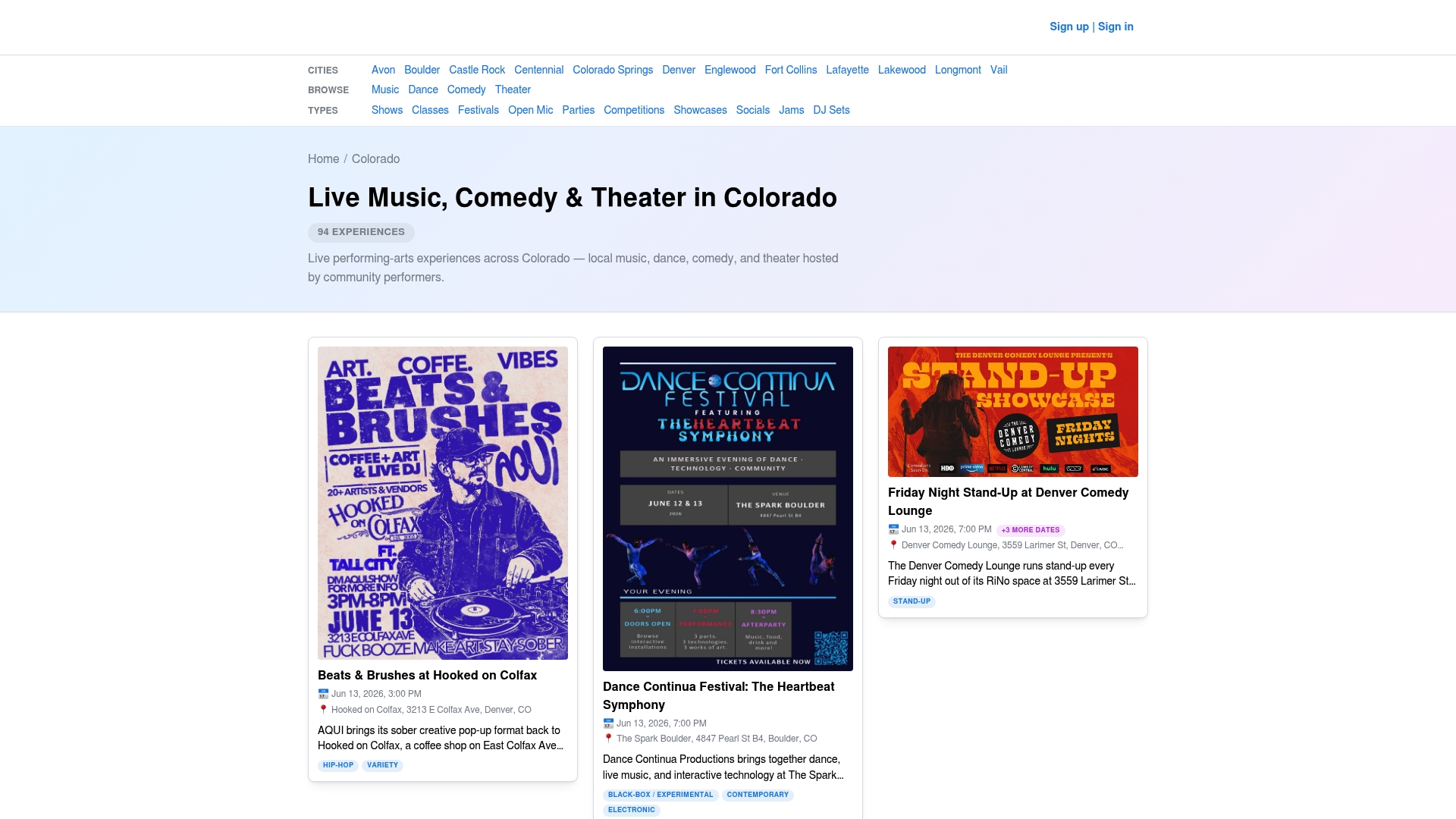
Browse live dance and theater events by city or category to find what is happening near you. A few listings worth exploring: a hip hop groove session with Rico Changeux at Streetside Dance, a community arts festival at Rooster ArtFest 2026, and the Summer Fest with The Copper Children at The Roots Collective. Each listing includes artist bios, venue details, and participation notes so you know exactly what to expect before you arrive.
Head to Experiencebylocals to browse current listings and book your spot.
Useful sources and further reading
This article draws on performance-studies scholarship, practitioner writing, and production documentation. Here are the core sources, organized by what they are most useful for:
- Theory and audience agency: Immersive Concert Design (UC Irvine thesis) — start here for Machon's kinesthetic agency framework and haptic co-authorship evidence.
- ️ Choreographic architecture and wearables: Kimospheres and Immersive Dance, DAP-Lab — Birringer's essay on sensorial environments and costumes as choreographic objects.
- Academic peer review: Kimospheres and immersive dance (journal version) — the peer-reviewed version of Birringer's kimosphere concept.
- Practitioner perspective: Immersive Worlds, Dance Art Journal — practitioner writing on co-design, community engagement, and audience hesitation.
- Production documentation: Wayne McGregor: On the Other Earth — production notes on non-repeatability and audience-shaped scenography.
- Extended reality and dance: Immersive Dramaturgy (EUDL/SpringerLink) — academic exploration of VR, AR, and immersive dramaturgy in dance creation.
All claims about scholarly definitions, practitioner practices, and production design in this article are grounded in these sources. For deeper reading on audience participation theory, Machon's published work on (syn)aesthetics is the recommended starting point.