
Why Local Culture Matters for Neighborhood Vitality
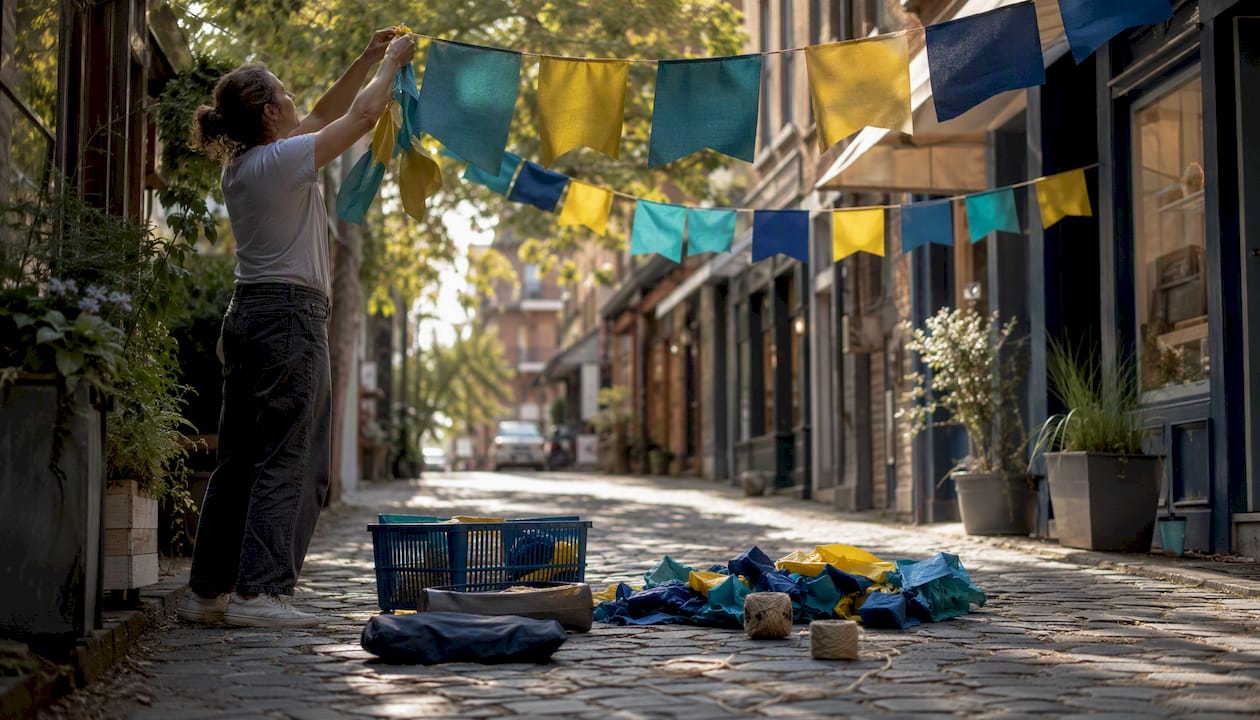
Local culture is a neighborhood's operating system: it shapes identity, social ties, and the everyday choices that sustain or erode community resilience. When a block has a thriving farmers market, a beloved music venue, or a multigenerational festival, residents are not just having fun. They are building the trust, shared meaning, and collective capacity that make neighborhoods work. The CultureBlocks research documented measurable associations in Philadelphia between concentrations of cultural assets and neighborhood-level gains including population stability and declines in poverty in some studied areas. That is not a coincidence. It is culture doing its quiet, powerful work.
Here is what the evidence shows at a glance:
- 🎯 Identity: Shared rituals and stories give residents a sense of who they are and where they belong.
- 🤝 Social cohesion: Recurring events and local venues build the trust networks that neighbors draw on during hard times.
- 🔎 Resilience: Neighborhoods with strong cultural assets tend to weather economic shocks better than those without them.
- 📍 Economic vitality: Cultural anchors attract foot traffic, support local businesses, and can stabilize population.
Key Takeaways
Local culture is a measurable driver of neighborhood identity, social cohesion, and economic resilience, not a soft add-on to "real" community development.
| Point | Details |
|---|---|
| Culture drives cohesion | Shared rituals, venues, and events build the trust networks neighbors rely on during hard times. |
| Evidence supports investment | CultureBlocks research in Philadelphia linked cultural asset concentrations to population stability and poverty declines in some areas. |
| Equity must be built in | Cultural assets tend to concentrate in advantaged neighborhoods unless policy actively supports equitable distribution. |
| Measurement starts small | A walking inventory, ten stakeholder interviews, and a three-question resident survey give you enough baseline data to act on. |
| Experiencebylocals connects you | Browse or list authentic local events in Colorado to help neighborhood culture stay visible and accessible. |
Table of Contents
- What "local culture" actually means in a neighborhood
- How local culture shapes identity, social cohesion, and collective action
- What the research shows about economic, social, and development impacts
- Cultural assets and activities that anchor neighborhoods 🎭
- How local leaders and community groups incorporate culture into development
- Risks: cultural loss, uneven access, and gentrification — and how to reduce harm
- Measuring impact: practical indicators and how to start a cultural-asset inventory
- Practitioner case study: how live events and local programming strengthened a neighborhood 🎶
- Why sustaining neighborhood culture is worth your time and energy
- Experiencebylocals makes it easier to find and support neighborhood culture
- Sources
What "local culture" actually means in a neighborhood
Local culture is the living web of practices, stories, spaces, and relationships that a community creates and passes down over time. It is not just art on gallery walls. It is the Saturday morning market where the same vendors have shown up for twenty years, the church choir that rehearses every Thursday, the murals painted by teenagers who grew up on the block, and the oral histories that older residents carry in their heads.
A working definition from community-education practice captures it well: local culture includes daily knowledge, local stories, rituals, and place-based practices that shape learning and civic life. The core elements you will find in almost every neighborhood include:
- Arts and events: live music nights, theater performances, dance showcases, open-mic nights
- Rituals and traditions: annual festivals, holiday parades, harvest celebrations, neighborhood cookouts
- Everyday practices: the way people greet each other, where they gather, what they cook and share
- Local businesses: family-run restaurants, independent bookstores, corner cafes that double as community living rooms
- Physical spaces: community gardens, historic buildings, murals, parks with informal gathering spots
- Oral histories: the stories that longtime residents tell about the neighborhood's past and its people
Pro Tip: To spot informal cultural assets fast, look for recurring, resident-led activity. An open-mic night that fills a coffee shop every other Tuesday, a family-run market that has operated for a decade, or an artist's home studio that hosts monthly showings are all cultural anchors. They may not appear on any official map, but they are often the most durable ones.
How local culture shapes identity, social cohesion, and collective action
Culture works through several overlapping mechanisms, and understanding them helps you see why investing in a neighborhood festival is not frivolous. It is infrastructure.
Meaning-making is the first mechanism. Shared symbols, stories, and rituals give residents a common frame for understanding their neighborhood. When you know the history of the mural on Fifth Street, you feel a stake in protecting it. Brookings argues that neighborhood culture shapes everyday habits and social norms that influence education, work behaviors, and civic participation, factors tied to longer-term social and economic outcomes.
Social networks are the second. Cultural events are one of the most reliable ways neighbors meet each other outside of crisis. A block party, a community theater production, or a weekly dance class creates repeated, low-stakes contact. Research on local events and neighborhood bonds confirms that neighbor-to-neighbor gatherings strengthen neighborhood ties and increase perceptions of local support.
Collective efficacy follows from those networks. When neighbors trust each other, they act together. A neighborhood in Denver's Cole district that built trust through a summer concert series later organized a successful campaign to preserve a historic building slated for demolition. The concerts did not save the building. The relationships did.
Anchor institutions are the fourth mechanism. Venues, markets, and community centers create physical nodes where culture concentrates and where residents can reliably find each other. Vernacular-culture research identifies markets, ethnic and heritage areas, and arts-and-culture venues as common neighborhood anchors that can be leveraged for locally appropriate economic and social development.
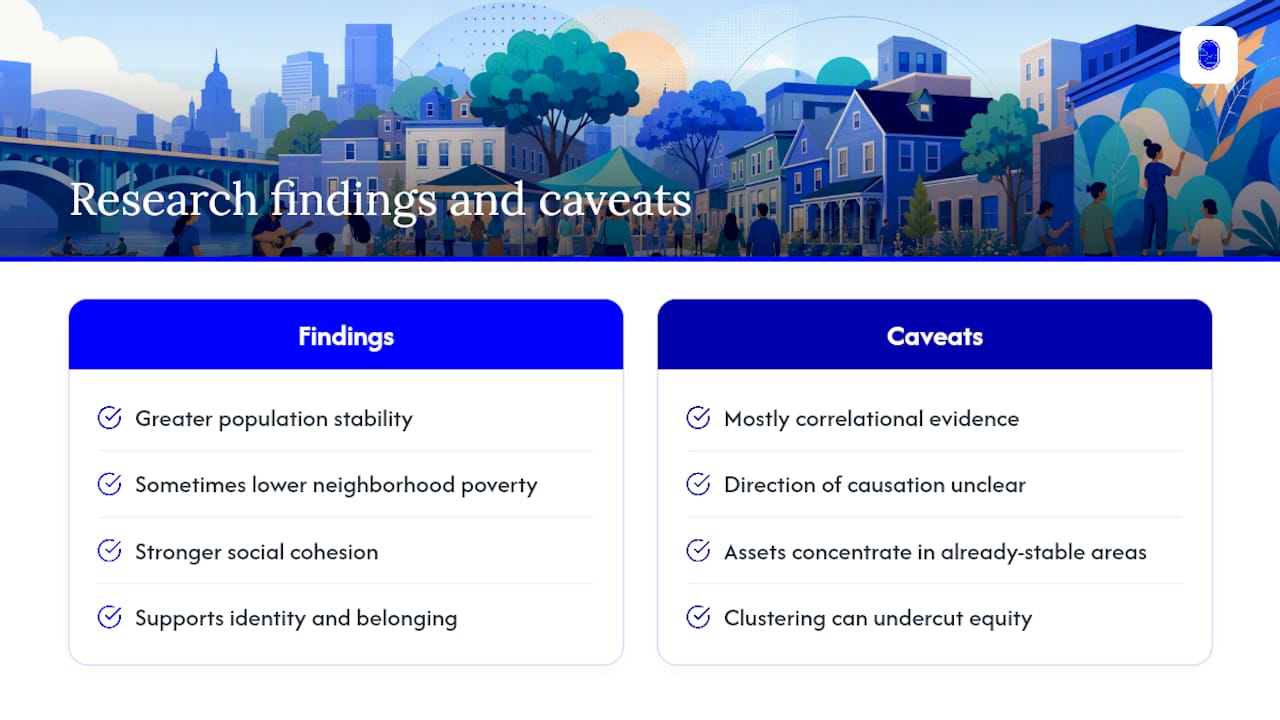
Statistic to hold onto: The CultureBlocks study found that Philadelphia neighborhoods with higher concentrations of cultural assets showed associations with population stability and reduced poverty in some areas, suggesting culture is not just a social good but a development lever.
What the research shows about economic, social, and development impacts
The evidence linking cultural assets to neighborhood outcomes is real, growing, and worth taking seriously, even if it is not yet definitive on causation.
The strongest body of work comes from the CultureBlocks / SIAP research in Philadelphia. Researchers mapped cultural assets across the city and compared them to neighborhood-level data on population change, poverty, and social distress. Neighborhoods with denser cultural assets showed associations with greater population stability and, in some cases, declines in poverty. The work by Mark Stern and Susan Seifert at the Social Impact of the Arts Project built on this by showing that cultural assets tend to cluster in ways that either reinforce or undercut neighborhood equity, depending on whether policy supports their equitable distribution.
Penn State Extension synthesizes practitioner guidance to show that local culture provides a shared framework for identity and social cohesion that helps residents solve local problems more effectively. This is not just theory. Community development workers consistently report that projects which ignore local culture fail faster than those that build on it.
At the international level, UNESCO frames culture as integral to sustainable development, highlighting how cultural life supports identity, social cohesion, and economic vitality in communities. That framing aligns with what planners and organizers see on the ground: culture is not a luxury added after the "real" development work. It is often the precondition for it.
A mixed-methods study of a community arts center in Boston's Chinatown found that arts engagement helped maintain social cohesion and buffer some negative effects of gentrification for long-term residents. Participants reported stronger senses of belonging and cultural continuity even as the surrounding neighborhood changed rapidly around them.
A word of caution: most of this research is correlational. Cultural assets may concentrate in neighborhoods that are already stabilizing for other reasons. The direction of causation is genuinely hard to establish. What the evidence does support is that culture is a consistent co-factor in neighborhood health, and that its absence is reliably associated with social fragmentation.
Cultural assets and activities that anchor neighborhoods 🎭
Not all cultural activity anchors a neighborhood equally. The most durable anchors tend to be recurring, resident-led, and embedded in physical spaces that people return to. Here is a practical catalogue:
- Farmers and ethnic markets: Weekly markets create predictable gathering points, support local food producers, and often serve as informal community bulletin boards. A market that has run for many years is a cultural institution, whether or not anyone calls it that.
- Community theaters and performance venues: Live theater creates shared narrative experiences that audiences carry into everyday conversation. Small black-box theaters and church-hall productions often serve neighborhoods that larger venues ignore.
- Independent cafes and music venues: These spaces function as the informal infrastructure of neighborhood culture. Losing a beloved coffee shop or a small music room often signals the beginning of a loss of the social glue that holds long-term resident networks together.
- Annual festivals and cultural celebrations: A Juneteenth celebration, a Dia de los Muertos procession, or a neighborhood arts walk creates a shared calendar that residents orient their year around. Festivals also attract outside visitors, which can support local businesses without displacing residents when managed well.
- Heritage sites and historic buildings: Physical reminders of a neighborhood's past give residents a tangible connection to identity. A restored Victorian home, a historic church, or a preserved industrial building can anchor stories that residents tell about who they are.
- Artist studios and maker spaces: Artist-run studios serve as creative hubs that attract other artists, generate informal mentorship, and often become gathering points for the broader community.
- Community centers and cultural organizations: These institutions provide programming continuity across generations, offering classes, performances, and civic meetings that keep residents connected over time.
- Open-mic nights and recurring small events: A weekly open-mic at a neighborhood bar or a monthly poetry slam at a library branch may seem modest, but they create the kind of low-barrier, high-frequency contact that builds lasting social ties.
Editor's note: A strong representative image for this section would show a crowded outdoor market or festival with multigenerational participants, local vendor signage, and visible community engagement.
How local leaders and community groups incorporate culture into development
The most effective community development strategies do not import culture from outside. They identify what already exists and build on it. Here is a sequential approach that works in both urban and rural settings:
Step 1: Diagnose your cultural assets. Before spending a dollar, map what you have. Walk the neighborhood, talk to longtime residents, and document recurring events, informal gathering spots, and local organizations. This is called cultural mapping, and it is the foundation of everything that follows.
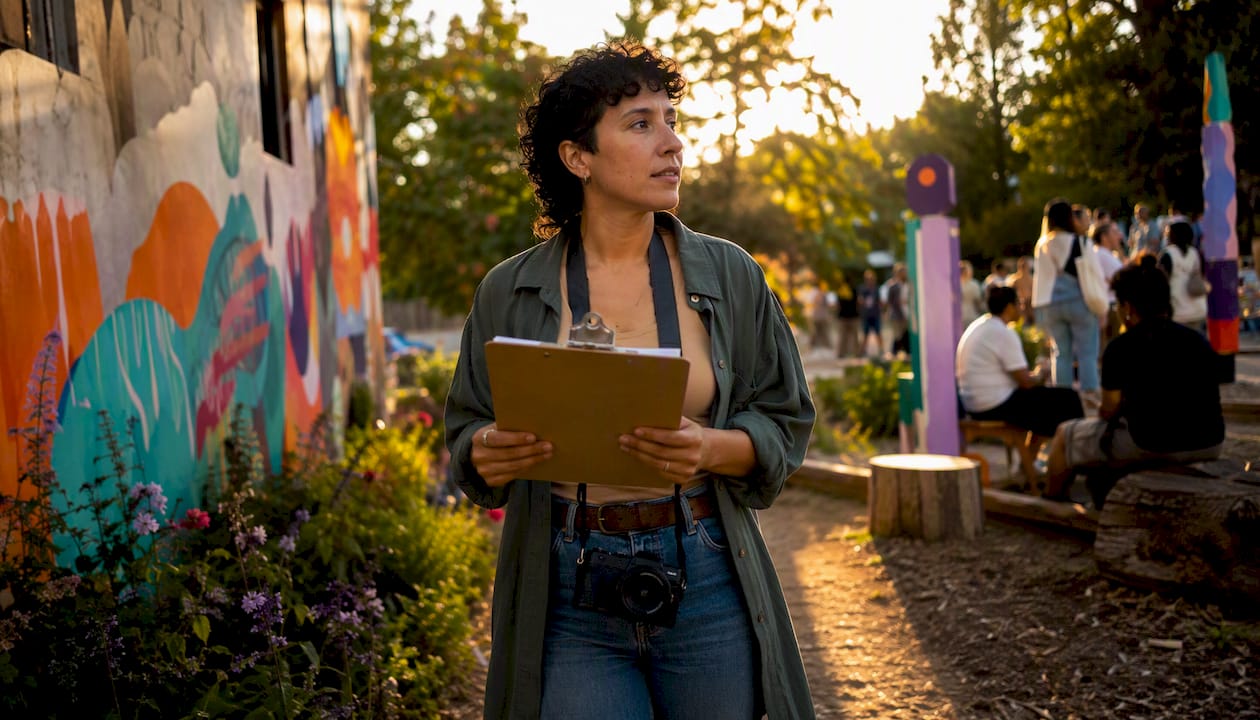
Step 2: Engage residents as co-designers. Bring residents into planning early and often. Penn State Extension is clear that strategies which skip this step consistently underperform. Residents know which assets matter most and which interventions will feel authentic versus imposed.
Step 3: Pilot low-cost activities. Small, resident-led pilots such as pop-up markets, micro-grants to local artists, or temporary street closures for block events are low-cost ways to test placemaking ideas without triggering large-scale displacement when paired with anti-displacement strategies.
Step 4: Evaluate and document. Track participation rates, volunteer hours, and resident feedback after each event or program cycle. Simple surveys and attendance counts are enough to start.
Step 5: Scale what works. Use pilot results to make the case for sustained funding, policy support, or anchor institution partnerships.
Here is how common tactics compare across key dimensions:
| Approach | Typical cost | Timeline | Resident control | Key indicator |
|---|---|---|---|---|
| Cultural mapping | Low | A few months | High | Number of assets documented |
| Small grants / micro-funds | Low to medium | Several months | High | Projects funded, artists supported |
| Creative placemaking events | Low to medium | Up to half a year | Medium to high | Attendance, repeat participation |
| Ongoing program anchors | Medium to high | Multiple years | Medium | Venue retention, annual participation |
Pro Tip: Local governments can remove friction without spending much. Streamlining permits for outdoor events, creating a small cultural grant fund (even $500 grants make a difference for grassroots artists), and protecting existing anchor venues from zoning changes are high-impact, low-cost policy moves. Community organizers: document everything from day one. A simple spreadsheet of events, attendance, and resident quotes becomes your funding case in year two.
Risks: cultural loss, uneven access, and gentrification — and how to reduce harm
Cultural investment is not automatically good for everyone in a neighborhood. When equity is neglected, the same cultural energy that builds community can accelerate displacement.
The top risks are displacement of long-term residents as property values rise following cultural investment, concentration of cultural assets in already-advantaged neighborhoods, cultural appropriation when outside developers commodify local traditions without community benefit, and exclusion of lower-income residents from programming that becomes too expensive or too polished to feel like theirs.
The SAGE Journals study of Boston's Chinatown is instructive here. Arts programming helped long-term residents maintain cohesion and cultural identity even as gentrification pressure mounted around them. But the study also made clear that arts alone cannot stop displacement. Without parallel anti-displacement policy, cultural vitality can actually attract the investment that prices residents out.
Practical mitigation strategies that community leaders can apply:
- Community ownership models: Cooperatives, community land trusts, and nonprofit ownership of cultural venues protect spaces from speculative sale.
- Cultural land trusts: A growing number of cities are experimenting with land trusts specifically for arts and cultural spaces, keeping them affordable in perpetuity.
- Resident-led programming: When residents design and run programming, it stays authentic and accessible. Outside-designed programs, however well-intentioned, often miss the mark.
- Anti-displacement measures: Rent stabilization, right-to-return policies, and small-business protections for cultural venues should accompany any significant cultural investment.
- Equity audits of cultural asset distribution: The CultureBlocks research showed that cultural assets tend to concentrate in already-advantaged neighborhoods unless policy intentionally supports equity. Regular audits can surface gaps before they become entrenched.
A brief case note: in several U.S. cities, arts districts created in the 2000s attracted creative-class residents and investment, then priced out the very artists and long-term residents who made the districts appealing. A mitigation plan that included community land trust ownership of key venues and income-restricted live-work spaces for artists would have preserved more of the original community fabric.
Measuring impact: practical indicators and how to start a cultural-asset inventory
You cannot protect what you cannot see, and you cannot make the case for cultural investment without some evidence of what it produces. The good news is that useful measurement does not require a research budget.
High-value indicators to track:
- Number of recurring cultural events per month or year
- Venue capacity and seats per capita in the neighborhood
- Participation rates and attendance trends over time
- Volunteer hours contributed to cultural programming
- Local business retention rates near cultural anchors
- Self-reported sense of belonging (a single survey question works)
- Intergenerational participation (are multiple age groups showing up?)
A 5-step starter plan for your cultural-asset inventory:
- Walk and document. Spend two or three days walking the neighborhood and noting every recurring event, venue, or organization you find. Include informal ones.
- Interview stakeholders. Talk to ten to fifteen longtime residents, business owners, and organizers. Ask: "What would you miss most if it disappeared?"
- Run a simple survey. A three-question survey (What cultural events do you attend? How connected do you feel to this neighborhood? What is missing?) gives you baseline data.
- Consult low-cost data sources. Local business license records, park permit databases, nonprofit registrations, and social media event listings are all free and searchable.
- Schedule a review. Commit to repeating the inventory annually so you can track change over time.
Use this template as a starting point and adapt it to your neighborhood's specific mix of assets.
Practitioner case study: how live events and local programming strengthened a neighborhood 🎶
A recurring live-music and arts festival model offers one of the clearest illustrations of how cultural programming builds neighborhood capacity. Consider the pattern that emerges across multiple U.S. neighborhoods that have invested in resident-led event series.
What happened: A neighborhood with limited formal cultural infrastructure launched a summer event series anchored by local musicians, visual artists, and food vendors. The series ran monthly over three seasons. By the third year, attendance had grown through word of mouth alone, volunteer capacity had expanded, and several participating artists had gone on to anchor their own recurring events in the same neighborhood.
Operational details that made it work:
- Funding came from a mix of small municipal grants, local business sponsorships, and modest ticket revenue, keeping the series financially resilient without dependence on any single source.
- Partnerships with a local nonprofit and a community center provided venue access and logistical support.
- Volunteer structure was flat and task-based: setup crews, outreach teams, and day-of hosts were recruited from the neighborhood itself, which built ownership.
- Venue selection prioritized accessible, outdoor or semi-outdoor spaces that felt welcoming rather than exclusive.
- Outreach used hyper-local channels: flyers at the laundromat and corner store, social media in the neighborhood's own Facebook groups, and personal invitations from organizers to neighbors.
Replicable lessons for event hosts and organizers:
- Start smaller than you think you need to. A 50-person event that goes well builds more momentum than a 300-person event that feels thin.
- Recruit your first volunteers from people who already show up. The regulars at your local open-mic or market are your most reliable early supporters.
- Document outcomes from the first event: attendance, volunteer hours, vendor revenue, and one or two resident quotes. That documentation is your case for the next round of funding.
- Finding local art events in your area is a practical first step toward understanding what already exists before you build something new.
The Summer Fest with The Copper Children at The Roots Collective is a real example of this model in action: a neighborhood arts festival hosted by local creators, designed to reflect the community's own cultural identity rather than import entertainment from outside it.
Why sustaining neighborhood culture is worth your time and energy
Here is what I keep coming back to after reading the research and talking to organizers across Colorado: the neighborhoods that feel most alive are not the ones with the most money. They are the ones where residents have found ways to keep showing up for each other, season after season, through small events and shared spaces that most people outside the neighborhood have never heard of.
The academic evidence from CultureBlocks, Penn State Extension, and UNESCO points in the same direction as what practitioners report on the ground. Culture is not decoration. It is the mechanism through which neighbors build the trust and collective capacity to solve real problems, from public safety to economic stability to mental health resilience.
What I would ask you to do this month is simple: attend one local event you have never been to before, or talk to one neighbor about what cultural activity they wish existed in your area. Those conversations are where neighborhood culture actually starts. If you want to go further, connecting with your local dance community or joining a local arts appreciation group are concrete ways to plug in.
Experiencebylocals makes it easier to find and support neighborhood culture
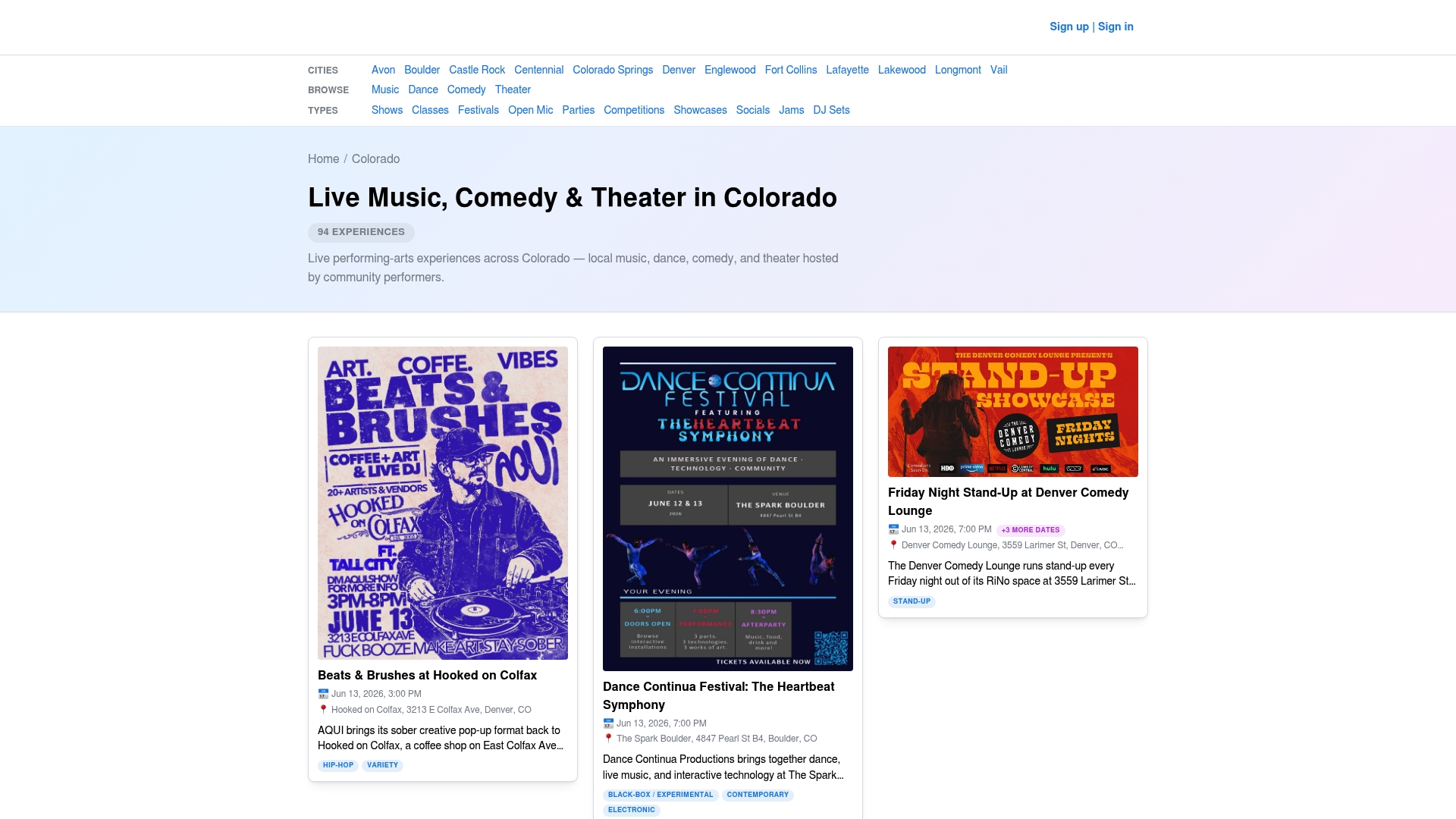
The gap between knowing that local culture matters and actually showing up for it is often just a discovery problem. Experiencebylocals is a searchable platform listing authentic live music, dance, comedy, theater, and arts events across Colorado, hosted by local creators who reflect the real cultural identity of their communities. You can browse by city, filter by event type, and book directly with the host. No tourist-trap venues, no generic entertainment. Just genuine local experiences from artists who live and work in the neighborhoods you care about.
If you are an organizer or artist, listing your event on Experiencebylocals puts it in front of residents and visitors who are actively looking for exactly what you offer. Browse live music and cultural events in Colorado to see what is already happening near you, or list your own event to help your neighborhood's culture show up where people are searching for it. Equity note: the platform is designed to surface grassroots and community-led events alongside larger productions, so smaller creators get visibility too.
Sources
The sources below represent the strongest research and practice guidance cited in this article. Each one offers a different angle on why community culture matters and how to act on that knowledge.
- Importance of Incorporating Local Culture into Community Development | Penn State Extension
- CultureBlocks report (SIAP) — National Endowment for the Arts
- Cultures build character | Brookings Institution
- Culture at the heart of the Sustainable Development Goals — UNESCO Courier
- Arts, culture, and creativity as a strategy for countering negative social impacts of immigration stress and gentrification (SAGE Journals)
- Vernacular culture and urban economic development — Journal of the American Planning Association